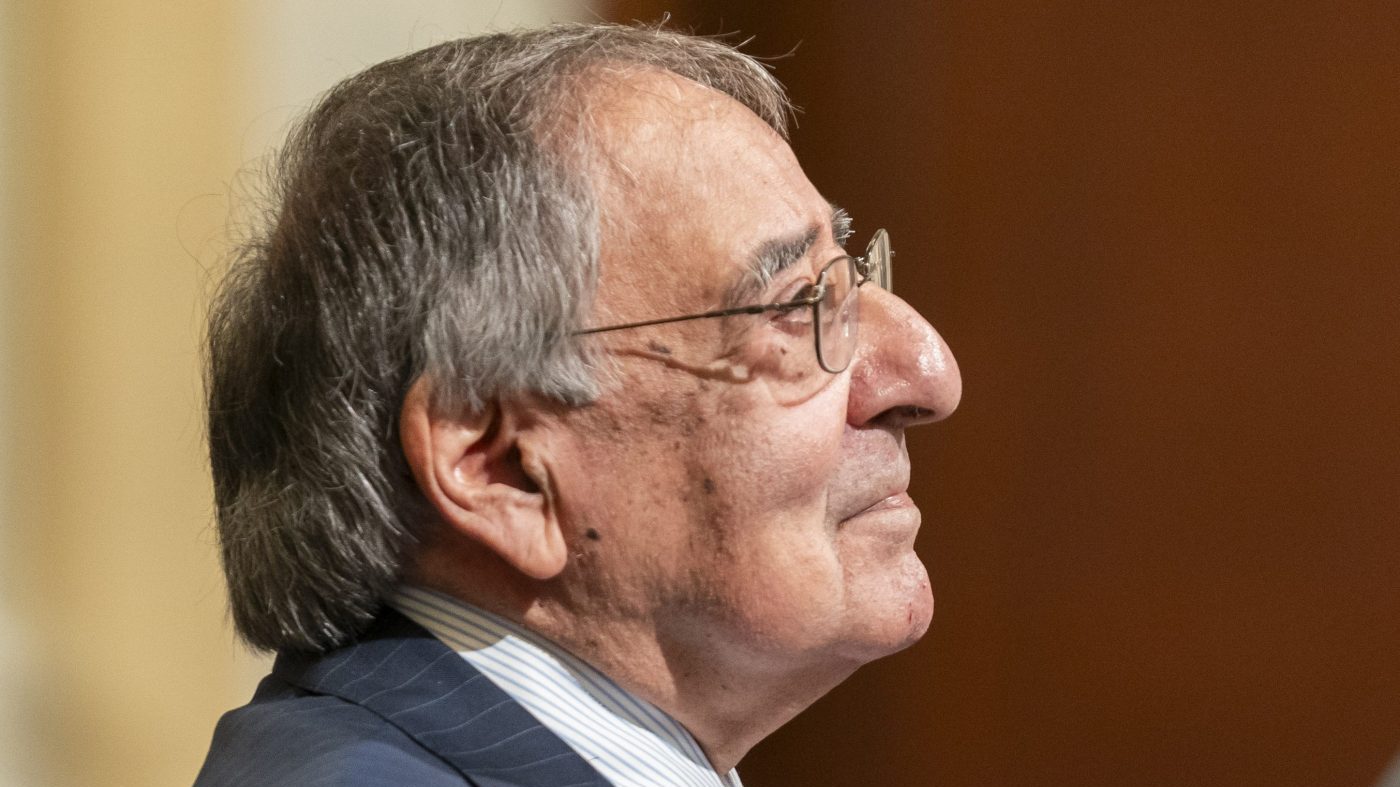
Former Defense Secretary Leon Panetta issued a stark warning Thursday, asserting that the United States is “locked into an unwinnable war” with Iran. He argued that the current conflict risks becoming another open-ended military engagement with no clear resolution, echoing the costly campaigns in Iraq and Afghanistan.
In an interview on CNN, Panetta pointed to the recent “heavy wave of strikes” against Tehran and the retaliatory attacks from Iran as evidence that the US is repeating historical patterns. “I think we’re locked into an unwinnable war that is going to continue as other wars have continued without any satisfactory conclusion,” he said.
Panetta, who served as Pentagon chief under President Obama and oversaw the raid that killed Osama bin Laden in 2011, lamented that the US keeps finding itself in conflicts that drain national resources and undermine its global standing. “That’s the kind of legacy, frankly, that in the 21st century the United States continues to make. Whether it was Iraq, whether it was Afghanistan, or whether it’s Iran, we are finding ourselves in unwinnable wars that ultimately consume the United States, hurt our economy, and most importantly, I think, make us look weak to the rest of the world,” he added.
The war, now in its sixth month, has become deeply unpopular at home. President Trump and his administration face mounting questions from both parties about the endgame, especially after a previous ceasefire collapsed. The closure of the Strait of Hormuz—a vital waterway carrying roughly a fifth of the world’s oil—has sent energy prices soaring, adding economic pressure to the military toll.
Defense Secretary Pete Hegseth testified to lawmakers earlier this month that the war has already cost an estimated $37.5 billion. Depleting military stockpiles have raised alarm, prompting a temporary pause in fighting last week. However, Iran’s surprise attack on an American base in Jordan reignited hostilities, and the US responded with retaliatory strikes on the Islamic Republic.
On Thursday, Iran threatened to “punish” the US and its allies in the region over the new attacks, raising fears of further escalation. Panetta’s comments come as the administration struggles to articulate a coherent strategy, with some lawmakers calling for a renewed diplomatic push while others advocate for a tougher military stance.
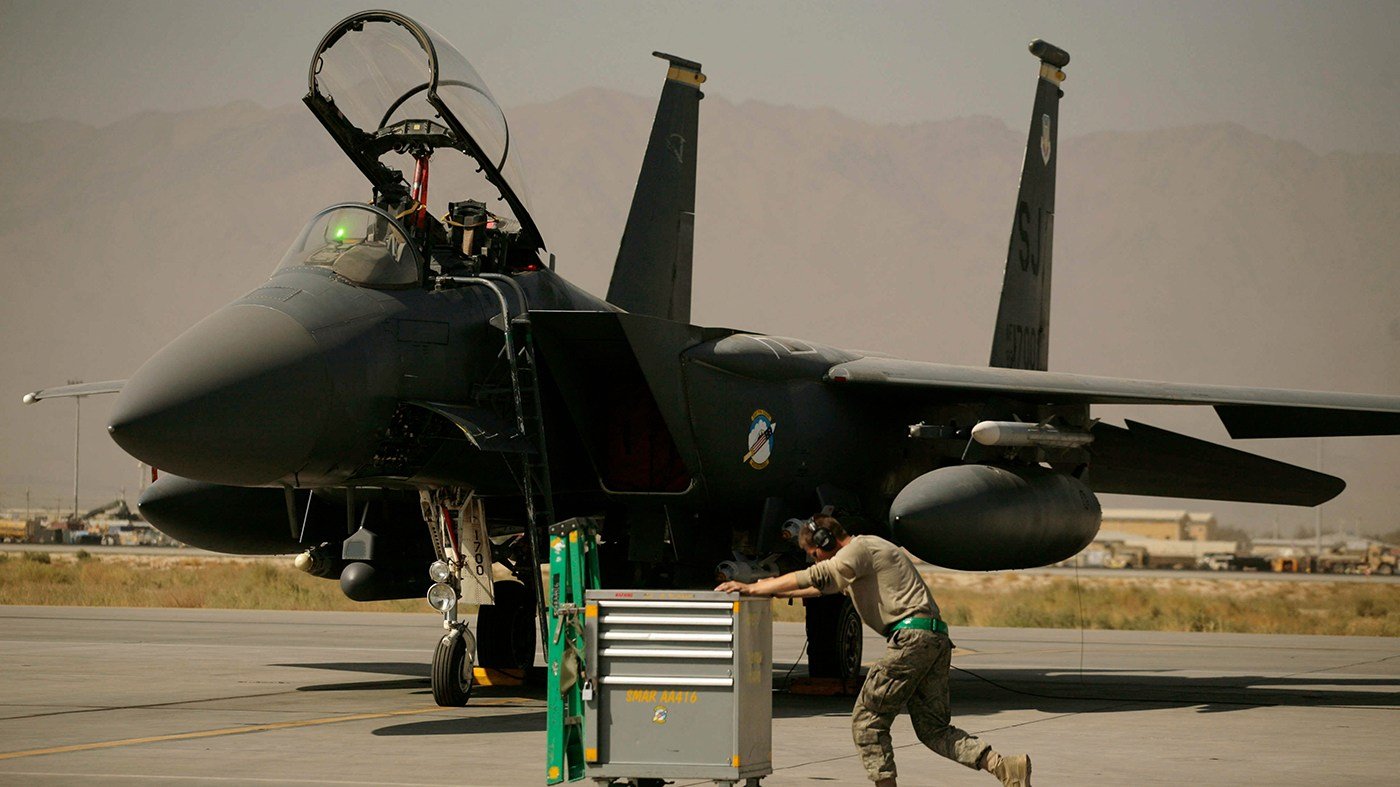
Analysts note that the conflict is straining US military readiness, with defense gaps in drone warfare becoming increasingly apparent. The Pentagon is also grappling with the broader implications of a prolonged engagement, including the risk of drawing in other regional powers.
Panetta’s critique adds to a growing chorus of former officials warning against the dangers of overreach. He urged policymakers to learn from past mistakes, emphasizing that the US cannot afford another decade-long conflict that saps its strength and erodes its credibility on the world stage.