While the SpaceX IPO has captured headlines, a smaller aerospace contender is quietly preparing its own public debut. Quantum Space, a Maryland-based startup, plans to go public through a merger with Inflection Point Acquisition Corp. VI, a special purpose acquisition company. The deal is expected to close later this year.
Founded several years ago, Quantum Space is developing a line of highly maneuverable spacecraft called Ranger. Designed to operate from low Earth orbit to cis-lunar space, Ranger can service commercial satellites, move payloads to final orbits, dispose of large space debris, and support national defense missions—including the proposed Golden Dome missile defense system. Unlike traditional satellites, Ranger is not confined to a fixed orbit, and it is refuelable, extending its operational lifespan.

Quantum Space’s proximity to Washington, D.C., where most of its potential customers are based, is a strategic advantage. The company has a manufacturing plant in Hawthorne, California, an integration facility in Huntsville, Alabama, and is building a new parts and large tanks manufacturing facility in Tulsa, Oklahoma.
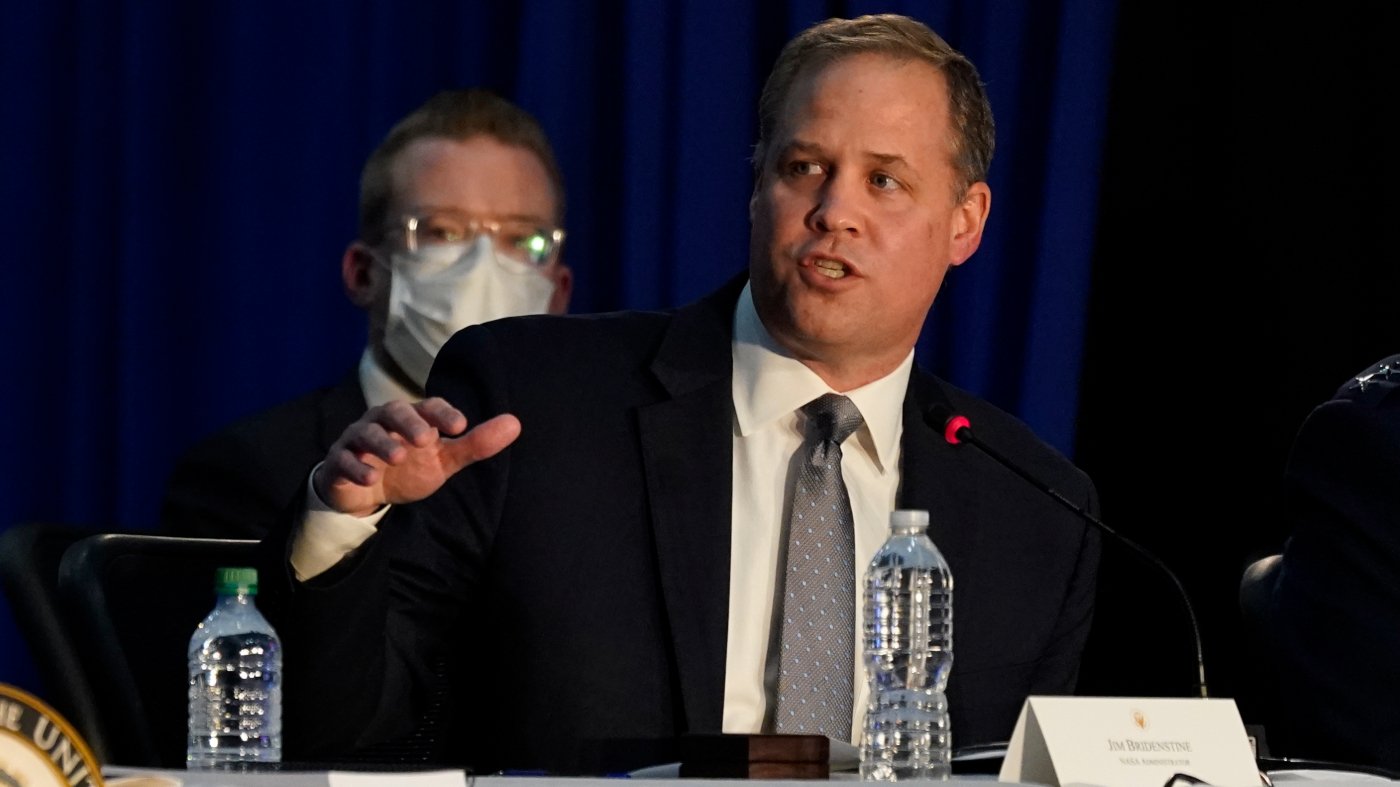
Last month, Quantum Space named former NASA Administrator Jim Bridenstine as its CEO. Bridenstine brings a wealth of experience: a bachelor’s degree in business, economics, and psychology from Rice University and an MBA from Cornell University. He served as a naval aviator, flying missions against drug trafficking in Central and South America and as an aggressor pilot at Nevada’s Naval Strike and Air Warfare Center, home of Top Gun. He was elected to Congress in 2012, representing Oklahoma’s 1st District, where he focused on space and defense issues.
President Trump nominated Bridenstine to lead NASA in 2017. Despite a contentious confirmation process due to his political background, he was confirmed in April 2018. His major achievement was securing bipartisan support for the Artemis lunar program and launching the Commercial Crew program. Both initiatives continued under President Biden. After leaving NASA, Bridenstine returned to Tulsa and founded the Artemis Group, an aerospace consulting and lobbying firm.
Bridenstine’s education, deep knowledge of space policy, and extensive Washington network are expected to be critical as Ranger moves toward operational status. Quantum Space represents a shift in how aerospace companies engage with the government: anticipating needs and developing products before formal contracts are awarded. The company is already involved in several government development programs, even though its spacecraft is not yet operational.
The Trump administration’s ambitious space initiatives—Artemis and Golden Dome—have created a fertile environment. Artemis aims to establish a lunar base and eventually send astronauts to Mars. Golden Dome revives Ronald Reagan’s Strategic Defense Initiative with modern technology. Ranger could serve both programs, as well as purely commercial markets, potentially becoming a lucrative asset if it performs as designed.
The first test flight, Ranger Prime, is scheduled for no earlier than the second quarter of 2027. Proceeds from the IPO will fund the Tulsa manufacturing plant and accelerate development.
Quantum Space is part of a rapidly expanding commercial space sector. As recently as the turn of the century, a standalone commercial space industry seemed like a distant dream. Today, companies like Quantum Space are turning that vision into reality.