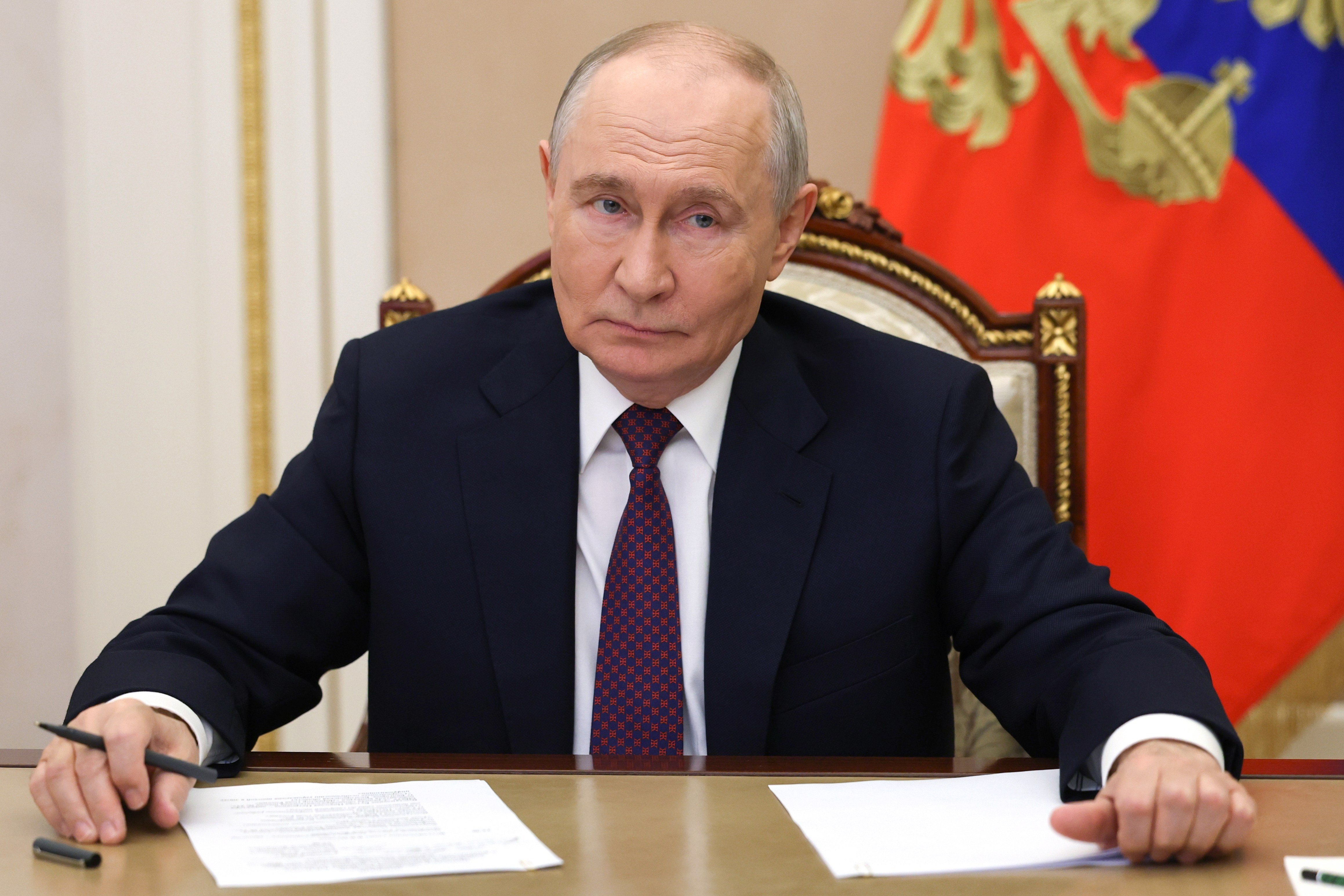
Ukrainian President Volodymyr Zelensky has accused Russian President Vladimir Putin of explicitly ordering his military to abandon the laws of war, escalating assaults on civilian infrastructure and nuclear energy sites. According to Zelensky, Putin told his generals, "There are no rules now." This statement signals a shift toward what military strategists call total war—unrestricted in weaponry, targets, and objectives, with complete disregard for international humanitarian law.
The implications are stark. Directing attacks at civilians and protected facilities constitutes a war crime under the Geneva Conventions and its additional protocols—treaties Russia, as a permanent U.N. Security Council member, is bound to uphold. Putin's declaration is a defiant challenge to the international order: "I don't care—just try to stop me."

Western leaders are grappling with how to respond. German Chancellor Friedrich Merz, during a recent visit to Kyiv, condemned Putin's "barbaric attacks" and called the war "senseless." He warned that "if Russia is not stopped, it will turn its war machine against us sooner or later." Merz backed his words with action, pledging $1.5 billion in military and energy assistance and an additional $9.6 billion for defense cooperation, including interceptor drones and long-range weapons production. In contrast, President Trump has yet to issue a similar condemnation.
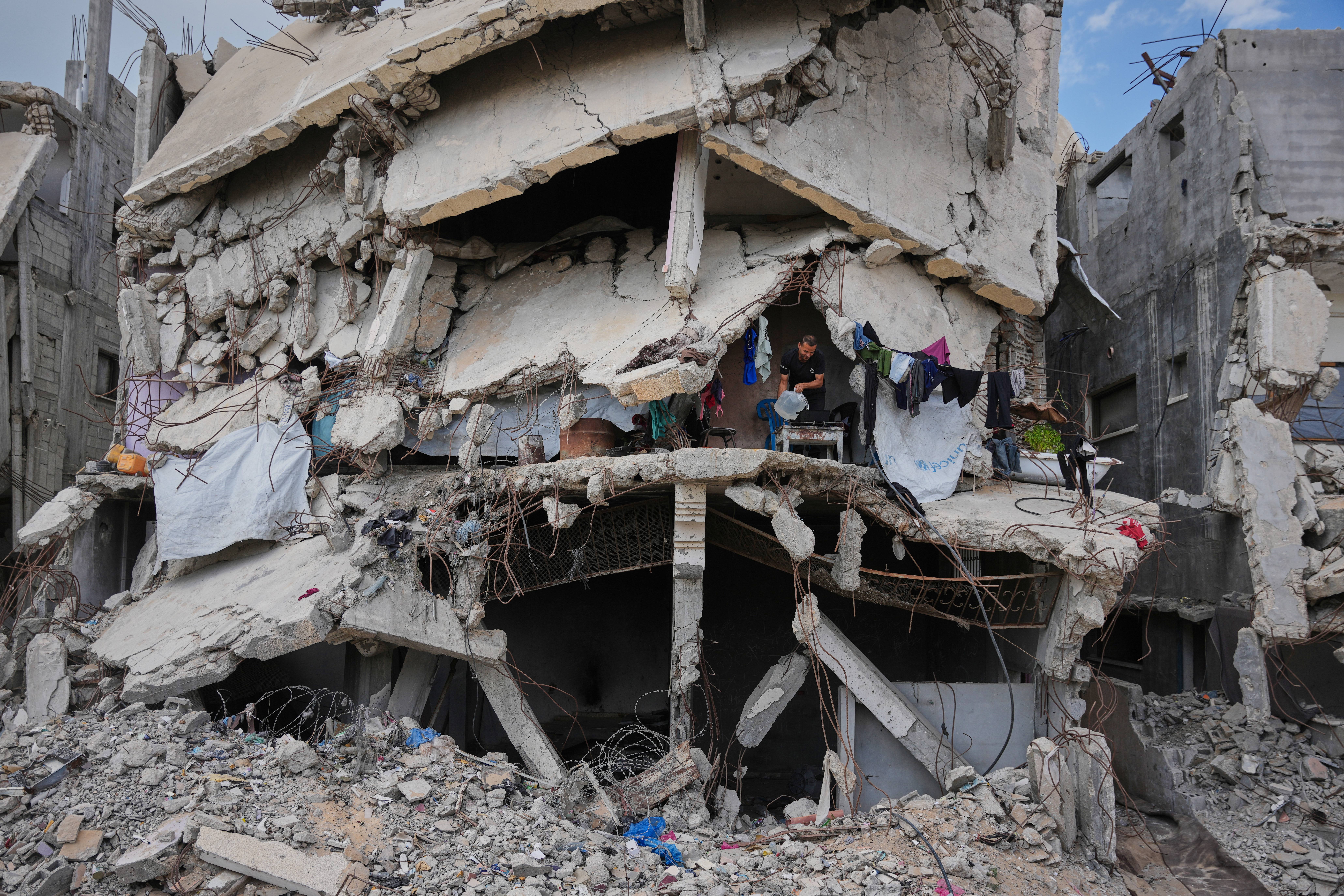
For nearly five years, Moscow has bombed residential neighborhoods, schools, hospitals, markets, and energy grids across Ukraine. Reports document torture, mass graves, the use of white phosphorus and chlorine gas, and environmental devastation. These actions, if applied to any other conflict, would be labeled genocide. Yet only one International Criminal Court arrest warrant exists for Putin—for the unlawful deportation of Ukrainian children to Russia.
Despite this, Trump hosted Putin in Anchorage in August 2025 and has invited him to the G20 summit in Miami this December. Trump's stated goal is to "reintegrate Russia into the global economy" and secure lucrative deals involving Russian oil, diesel, and rare earth minerals. Critics argue this approach prioritizes business over accountability, effectively normalizing Putin's lawlessness.
Putin's campaign is no longer confined to Ukraine. In recent days, Russian drones attacked commercial shipping in the Black Sea, sinking a Turkish-owned vessel in Romania's exclusive economic zone and striking two ships in Bulgaria's waters. Bulgarian Prime Minister Rumen Radev noted the attacks are "seriously disrupting shipping" and driving up insurance costs. Romania, Bulgaria, and Turkey are all NATO members, making these strikes a direct challenge to the alliance.
Merz's warning that Russia will eventually turn its war machine against Europe has already materialized. The hybrid war—cyberattacks, sabotage, and now maritime strikes—is underway. The West faces a choice: confront Russian aggression decisively or watch the "no rules" doctrine spread further. As security threats multiply, the need for a unified response grows urgent.
Zelensky's admonition echoes across the Atlantic: Putin has declared an open season on international law. The United States and NATO must decide when to draw the line—before or after it reaches their own doorsteps.