The Democratic Party's progressive wing is no longer a fringe force—it's a growing movement that's winning elections and reshaping the party's internal dynamics. Recent victories in New York City and Maine signal that socialist-aligned candidates are increasingly able to topple establishment incumbents, raising questions about the party's future direction.
In New York, Mayor Zohran Mamdani's upset win over former Gov. Andrew Cuomo was the first surprise. Then came Maine, where Graham Platner's progressive-backed Senate campaign—despite multiple scandals—now leads incumbent Republican Susan Collins by 5 points in the RealClearPolitics average. The pattern is clear: the left is not just protesting; it's winning power.

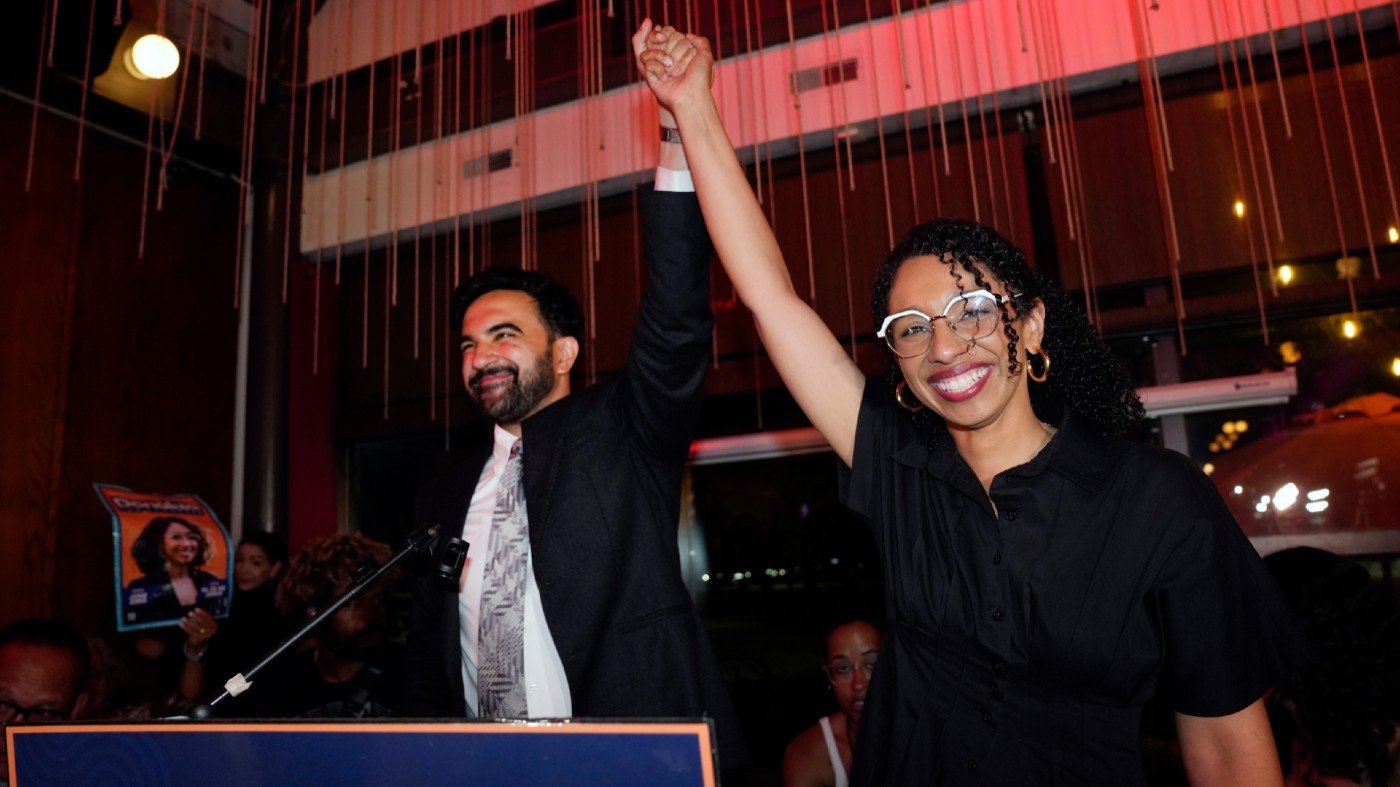
Mamdani declared at a victory party, "A year ago, it was not the end of a political movement, it was the beginning." Three of his endorsed socialist candidates won their races, ousting incumbents Reps. Adriano Espaillat and Dan Goldman. The New York Times noted the results "force a Democratic Party, already searching for its identity, to reckon with its ascendant, unapologetic left."
That movement is now targeting party leaders. At a celebration for one of Mamdani's candidates, supporters "booed and chanted 'your next'" at House Minority Leader Hakeem Jeffries. Sen. Raphael Warnock dismissed those chants, but the message was clear: the left wants control.
Polls show the left's appeal among Democrats is real. Forty-nine percent of Democrats view socialism favorably, compared to just 26 percent who view Senate Minority Leader Chuck Schumer favorably. Democratic socialism is surging as voters reject corruption and inequality, but that enthusiasm may not translate to general elections.
In New York's 13th district, socialist Darializa Avila Chevalier won with only 7 percent of active voters. Her platform—support for abolishing police and prisons, and questioning Israel's right to exist—would likely repel swing voters in Pennsylvania, North Carolina, or Georgia. According to Pew Research, "leftward progressives" make up just 7 percent of the national electorate; adding populist-leaning Democrats brings it to 19 percent.
Yet the left's influence is growing. Gallup reports that 59 percent of Democrats now identify as liberal or very liberal, up from one-third in 2005. The Michigan Senate race will be a key test: left-wing Abdul El-Sayed (32 percent) is nearly tied with establishment-backed Haley Stevens (29 percent). If El-Sayed wins, it would show the progressive left can compete in battleground states.
But the rise of the left risks alienating Democrats' traditional base. In New York's 13th, Chevalier drew support from younger, college-educated, higher-income precincts, while Espaillat performed better among Hispanic, Black, and lower-income voters. Nationally, Gallup shows the sharpest leftward shift among college-educated white Democrats. Some analysts warn of a hostile takeover that could drive away working-class voters.
Progressives bring energy and new voters, but the party must balance that with maintaining a broad coalition. With a likely leadership challenge in 2026 and a presidential run in 2028, the Democratic Party faces a defining choice: embrace the left's momentum or risk losing the center.