A fresh Reuters/Ipsos survey reveals that support for the US military campaign in Iran remains strikingly low, with only 33% of Americans backing the ongoing strikes. The poll, conducted from July 24 to 26, shows 62% of respondents disapprove of the operations, underscoring a persistent lack of public enthusiasm for a conflict now in its fifth month.
Nearly 70% of Americans say President Trump has failed to clearly articulate the objectives of US military involvement in Iran. This sentiment, coupled with the war's consistently sub-40% approval rating since the initial US and Israeli strikes on February 28, points to a deepening credibility gap for the administration.
Partisan divisions are stark. Among Republicans, 71% support the campaign, while just over a quarter oppose it. In contrast, only 5% of Democrats approve, with 93% disapproving. Independents also lean heavily against the war: just a quarter back it, while 67% oppose. These numbers suggest the conflict is a rallying point for the GOP base but a liability with the broader electorate.
The poll also recorded Trump's overall approval rating at 37%, up three points from last month's record low. The marginal uptick may reflect a slight consolidation among Republicans, but it remains well below the 50% threshold needed for a president seeking reelection.
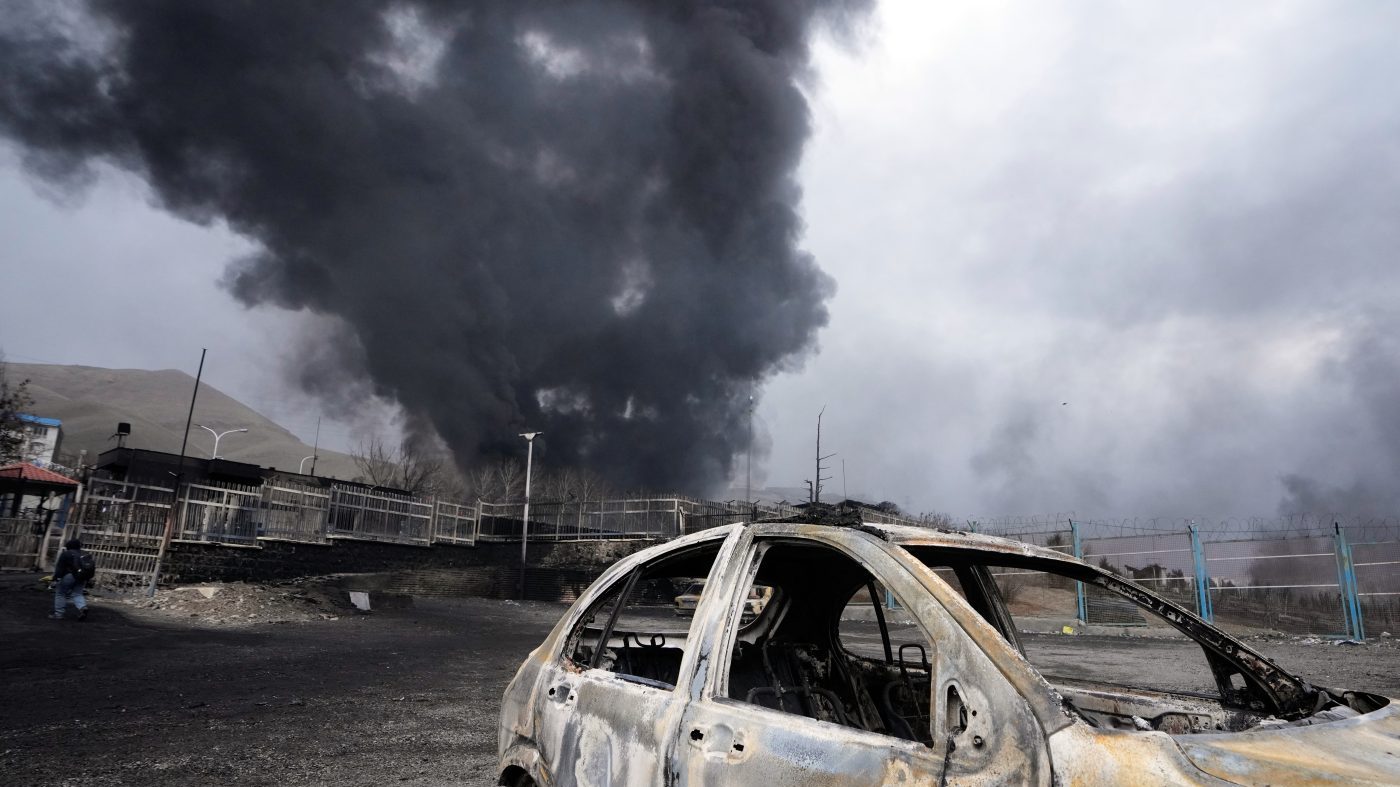
Trump initially described the campaign as a limited "excursion" to prevent Iran from developing a nuclear weapon. But the operation has morphed into a prolonged engagement, punctuated by intermittent diplomacy. An interim peace deal signed last month aimed at easing energy prices spiked by the conflict quickly unraveled, with US strikes resuming on Iranian infrastructure in recent weeks.
The human cost is mounting. Over the weekend, the Defense Department reclassified four service members killed by Iranian strikes under "Overseas Operations," bringing the total US military death toll since the war began to 18, with 624 wounded. The casualty list now exceeds 600, a grim milestone in a conflict the administration has struggled to define.
US strikes on Iran paused on Saturday after nearly two weeks of continuous bombing. US Ambassador to the UN Mike Waltz confirmed the halt but downplayed concerns about munitions stockpiles, after Axios reported that Central Command stopped operations around the Strait of Hormuz because the strikes had reached their "limit of effectiveness." That explanation has done little to quell questions about the campaign's strategic rationale, as explored in recent reporting on potential escalation of military strikes against Iran.
The survey's margin of error is 3 percentage points, based on 1,246 respondents. The data provides a snapshot of public opinion as Congress weighs a bipartisan Iran war powers resolution that passed the House and now faces a Senate vote. Lawmakers are also grappling with the broader implications of the conflict, including its impact on the public's understanding of Trump's signature policies and the administration's handling of military readiness, as Waltz blamed the previous administration for munitions shortfalls while insisting the military has everything it needs for Iran strikes.
With support for the war stuck below 40% and a growing sense of mission drift, the White House faces mounting pressure to either deliver a decisive endgame or risk further erosion of public trust. For now, the numbers suggest Americans are weary of a conflict that seems to have no clear off-ramp.