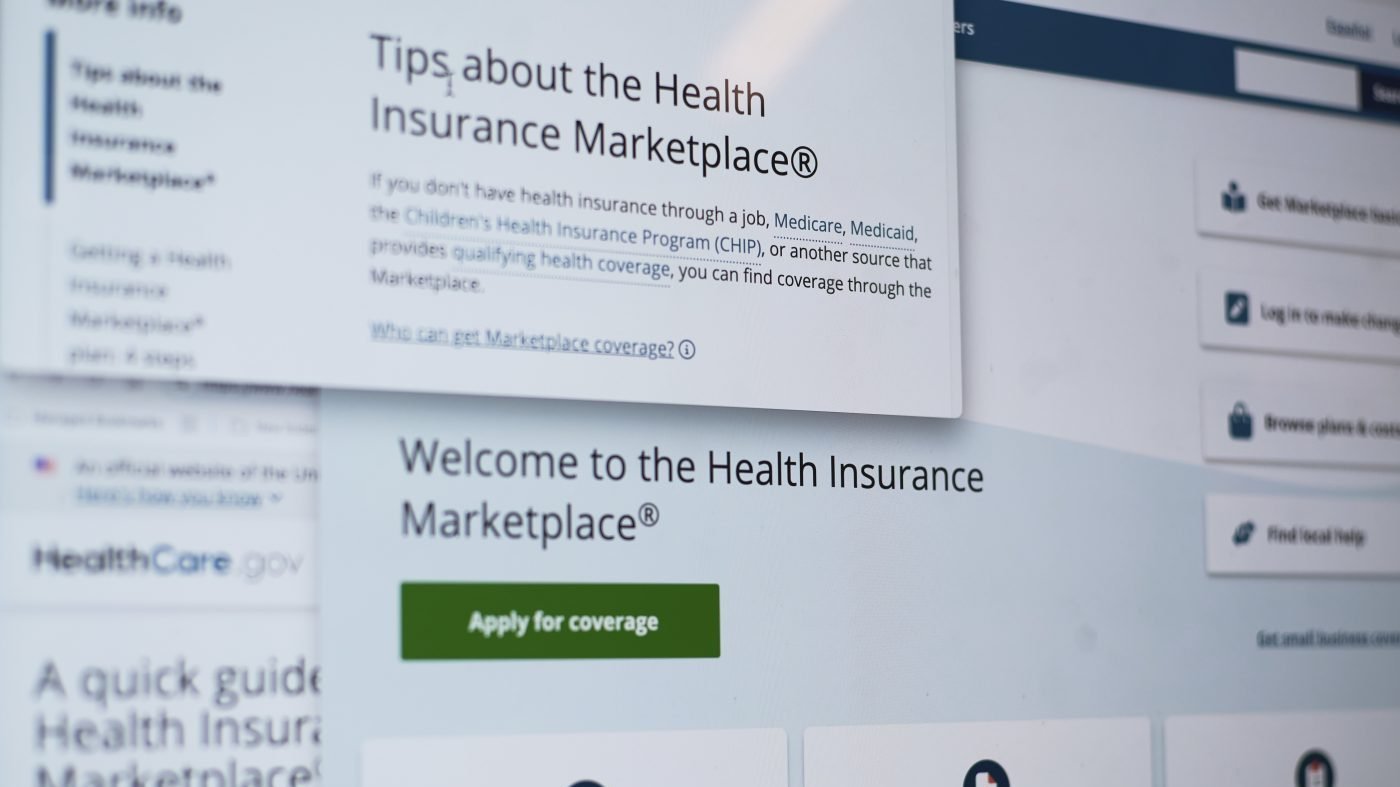
A majority of Americans who purchase health insurance through Affordable Care Act marketplaces are making severe financial trade-offs to maintain their coverage, according to a new national poll that reveals the immediate consequences of expired federal subsidies. The survey, conducted by KFF and released Thursday, shows 55% of returning enrollees have already cut back or plan to reduce spending on food, clothing, and other basic household necessities to afford health care costs.
The financial strain follows the expiration of enhanced premium tax credits at the end of last year, which had temporarily lowered costs for millions. Monthly premiums for benchmark silver plans surged by an average of 21.7% for 2026, directly hitting household budgets. Half of those surveyed described their current health care costs as being “a lot” higher than in previous years.

Emotional and Economic Toll
The poll captures widespread anxiety and frustration. Nearly two-thirds of respondents said reviewing their 2026 health insurance options made them feel worried, 52% reported feeling angry, and 46% said they felt confused. “Cut back on food expenses, choose cheaper & fewer dining out experience, watch heat & AC usage even more,” a 54-year-old female enrollee from California told KFF, illustrating the granular decisions families are making.
Beyond cutting household budgets, roughly 40% of participants said they have taken or plan to take on extra work or additional hours to offset higher health care spending. A similar proportion reported that their plan deductibles have increased this year, compounding the financial pressure.
Political Backlash Over Subsidy Expiration
The survey reveals sharp political discontent with the legislative decision to let the subsidies lapse. An overwhelming 78% of surveyed 2026 marketplace enrollees said Congress did the wrong thing by allowing the credits to expire. The sentiment crosses party lines: 94% of Democratic enrollees and 58% of Republican enrollees agreed it was the wrong move. This discontent emerges as other legislative battles, like the negotiations over Department of Homeland Security funding, also highlight tensions between policy costs and congressional action.
The findings arrive amid broader political scrutiny of domestic spending and security priorities. For instance, recent debates have included discussions framing security deployments as tests for election-year operations, while the public grapples with more immediate economic concerns like health care affordability.
The data underscores a critical challenge for the ACA marketplace's stability. The system, designed to provide a lifeline for those without employer-sponsored or public insurance, now faces a affordability crisis that could threaten enrollment gains. The poll did not measure how many might drop coverage entirely due to cost, but the reported cutbacks suggest a precarious balance for many households.
As the 2026 plan year continues, the political ramifications are likely to intensify. The expiration of subsidies has effectively shifted costs directly onto consumers, creating a tangible policy outcome that voters are experiencing monthly. The widespread negative reaction suggests this issue could influence upcoming legislative debates over health care financing and become a focal point in broader discussions about economic security and government support.