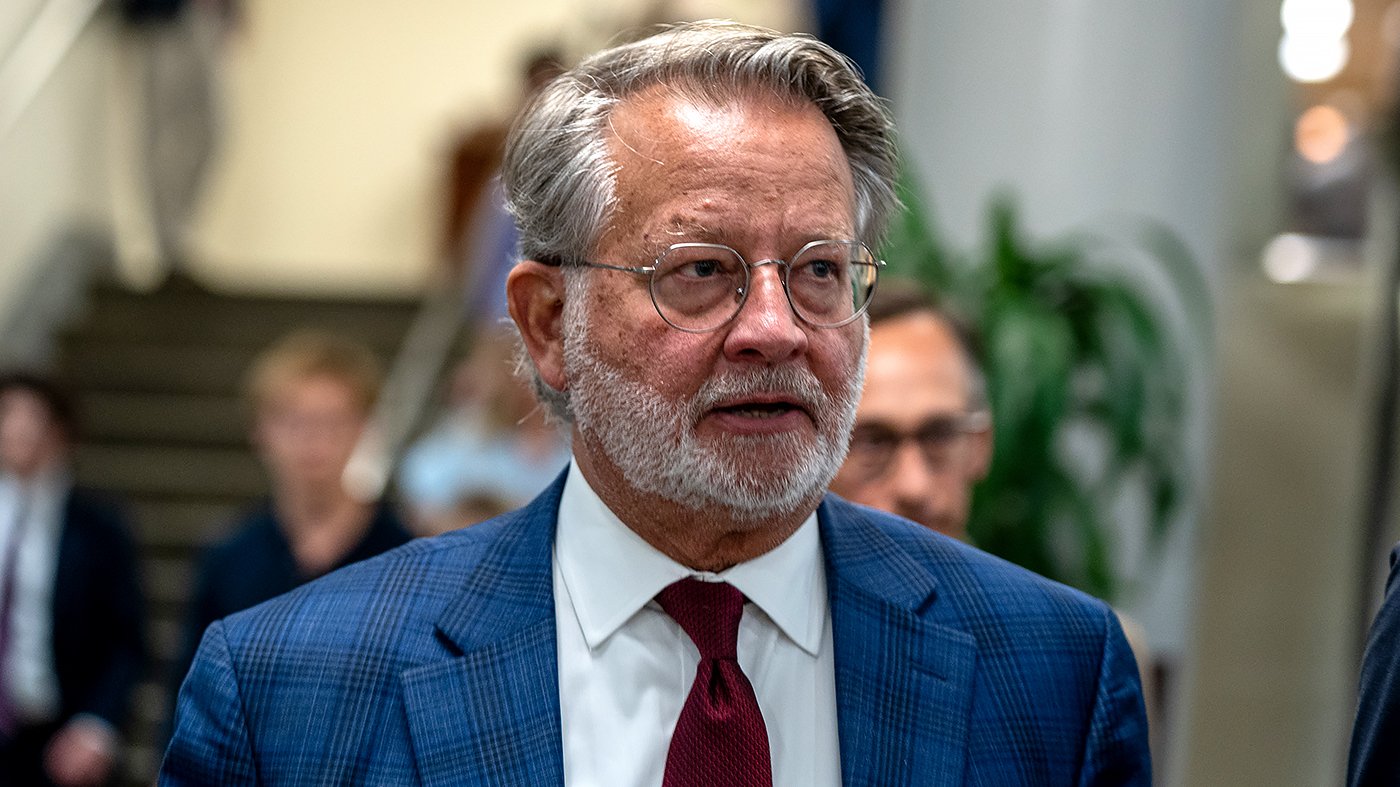
Senator Gary Peters (D-Mich.) is pushing back against Republican efforts to hold Dr. Anthony Fauci in contempt of Congress, arguing that the former COVID-19 coordinator's pardon does not strip him of his Fifth Amendment protections. In a letter to colleagues, Peters made the case that Fauci's repeated refusals to answer questions during a recent hearing were constitutionally justified, even with a presidential pardon in hand.
The letter arrives just ahead of a Thursday vote in the Senate Homeland Security and Governmental Affairs Committee, where Chairman Rand Paul (R-Ky.) is expected to push for a contempt citation. Fauci, who served as the face of the U.S. pandemic response, invoked the Fifth Amendment 111 times during his testimony, declining to answer any substantive questions. In his opening statement, he noted that Paul has repeatedly called for his arrest, underscoring the contentious atmosphere surrounding the hearing.
Republicans, including Paul, have argued that Fauci's pardon—issued by former President Biden for conduct before January 19, 2025—meant he had no real legal jeopardy and therefore could not legitimately plead the Fifth. But Peters countered that the pardon does not erase the constitutional protections available to every citizen. "Those rights are not negated by the existence of a pardon," he wrote in the letter, which was obtained by The Hill. "A federal pardon does not eliminate an individual's Fifth Amendment protection if they still face a 'real and appreciable' risk of federal or state prosecution."
The key nuance, Peters explained, is that Fauci's pardon is backward-looking only. It shields him from federal prosecution for his government service, but it does not cover potential state-level charges. Indeed, Florida Attorney General James Uthmeier (R) has already announced a state investigation into Fauci's conduct, writing on X that "Fauci's lack of candor to Congress is unbelievable" and that "it's past time we get the truth of what happened during COVID."
Fauci himself highlighted the risk of perjury charges during the hearing, suggesting that any answers he gave could be used against him in ways that go beyond the pardon's scope. He told the committee that Paul's goal was to get him to say "something, anything that could vindicate his repeated public pledges that I end up, in his words, 'behind bars.'"
Paul has acknowledged the legal uncertainty surrounding the contempt push. "We believe that with his … immunity from criminal liability, that he didn't need to hide behind the Fifth Amendment and that maybe the Fifth Amendment doesn't attach when you have a pardon in place," he told reporters. "That'll be a legal question." Some legal observers have also suggested that Fauci's opening statement might constitute a waiver of his Fifth Amendment rights, but Peters pointed to a 2013 precedent involving IRS official Lois Lerner, where the Justice Department declined to prosecute despite a similar situation.
Peters also offered a path forward for Paul if he genuinely wants answers from Fauci: grant him immunity. Under federal statute, a congressional committee can seek a judicial order that would compel testimony by providing immunity from both federal and state prosecution. "To my knowledge, Chairman Paul has not sought such an order," Peters wrote, suggesting that the Republican push may be more about political theater than accountability.
The standoff has drawn sharp reactions from both sides. Critics of Fauci argue that his silence undermines COVID accountability, while defenders say the Fifth Amendment is a fundamental right that cannot be waived simply because a pardon exists. As the committee prepares to vote, the legal and political battle over Fauci's testimony is far from over. For more on the broader implications, see this analysis of the standoff and the committee's move toward contempt.