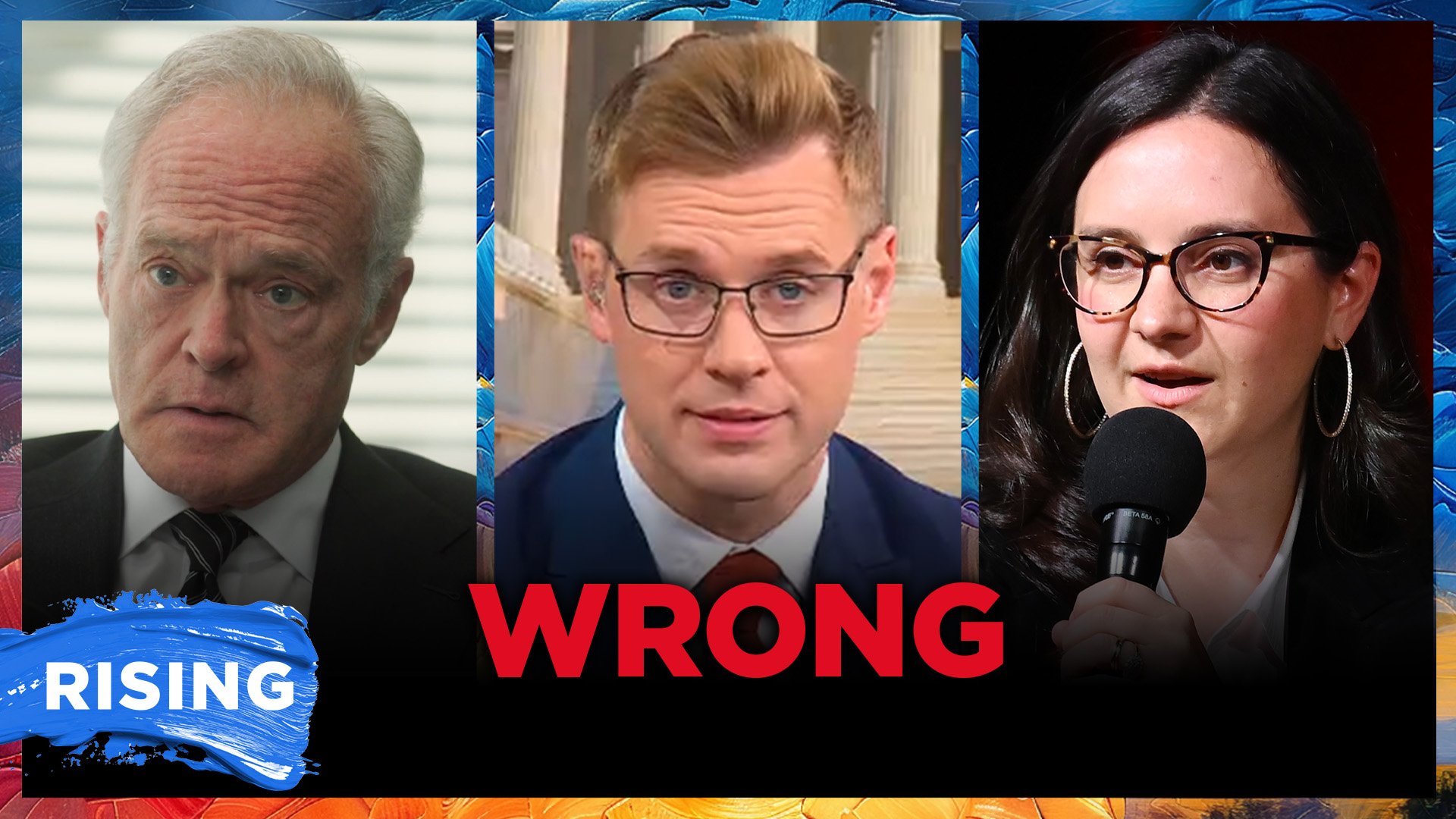
Scott Pelley's recent public criticism of Bari Weiss has sparked a heated debate about editorial oversight and political bias at CBS News. The veteran correspondent, who was let go from "60 Minutes," took aim at Weiss in an interview with The New York Times, claiming she lacks television experience and is unqualified for her role as an editor at the network.
Pelley's remarks, however, reveal a surprising blind spot: he admitted he was unaware of Weiss's prominent career before she joined CBS. Weiss, a well-known media figure, made headlines with her high-profile departure from The New York Times in 2020 and later founded the Free Press, a center-right outlet. While not every journalist may follow her work, Pelley's lack of familiarity struck many as odd given his long tenure in the industry.

The core of the dispute centers on a segment Pelley was working on about the fatal shooting of Renee Good by an ICE officer in Minneapolis. Weiss, as an editor, suggested that Pelley describe Good's car as moving toward the officer when the first shot was fired. Pelley vehemently disagreed, insisting this was factually incorrect.
In journalism, editorial feedback is standard practice. When a reporter disputes an editor's suggestion, the professional response is to present evidence and argue the case. Pelley's refusal to engage constructively with Weiss raises questions about his willingness to accept oversight. As Pelley blasted Weiss, accusing her of destroying "60 Minutes," he seemed to reject the very notion of editorial guidance.
Video footage of the incident appears to support Weiss's interpretation. The officer, Jonathan Ross, fired his first shot through the front windshield, suggesting the car was indeed coming toward him. A second shot penetrated the driver's side door as Good attempted to flee. This sequence matters legally: if an officer reasonably fears for his life, the use of force may be deemed lawful.
Pelley's refusal to acknowledge this nuance hints at a broader issue of bias. By dismissing Weiss's editorial input, he may be revealing a reluctance to consider perspectives that challenge his own. As FCC Chair Carr blasted Pelley, calling him "out of touch," the incident underscores the challenges of maintaining objectivity in news reporting.
The fallout from Pelley's firing has been swift. Longtime correspondent Steve Kroft declared the show "no longer exists" after the mass firings, while others have weighed in on the controversy. Pelley's clash with Weiss is not just a personal feud but a symptom of deeper tensions at CBS News over editorial control and political neutrality.
Ultimately, Pelley's resistance to editorial feedback and his public attacks on Weiss reflect a journalist unwilling to adapt to modern newsroom dynamics. As the media landscape evolves, the ability to collaborate with editors and consider multiple viewpoints is essential. Pelley's stance may have cost him his job, but it also raises important questions about the role of oversight in journalism.