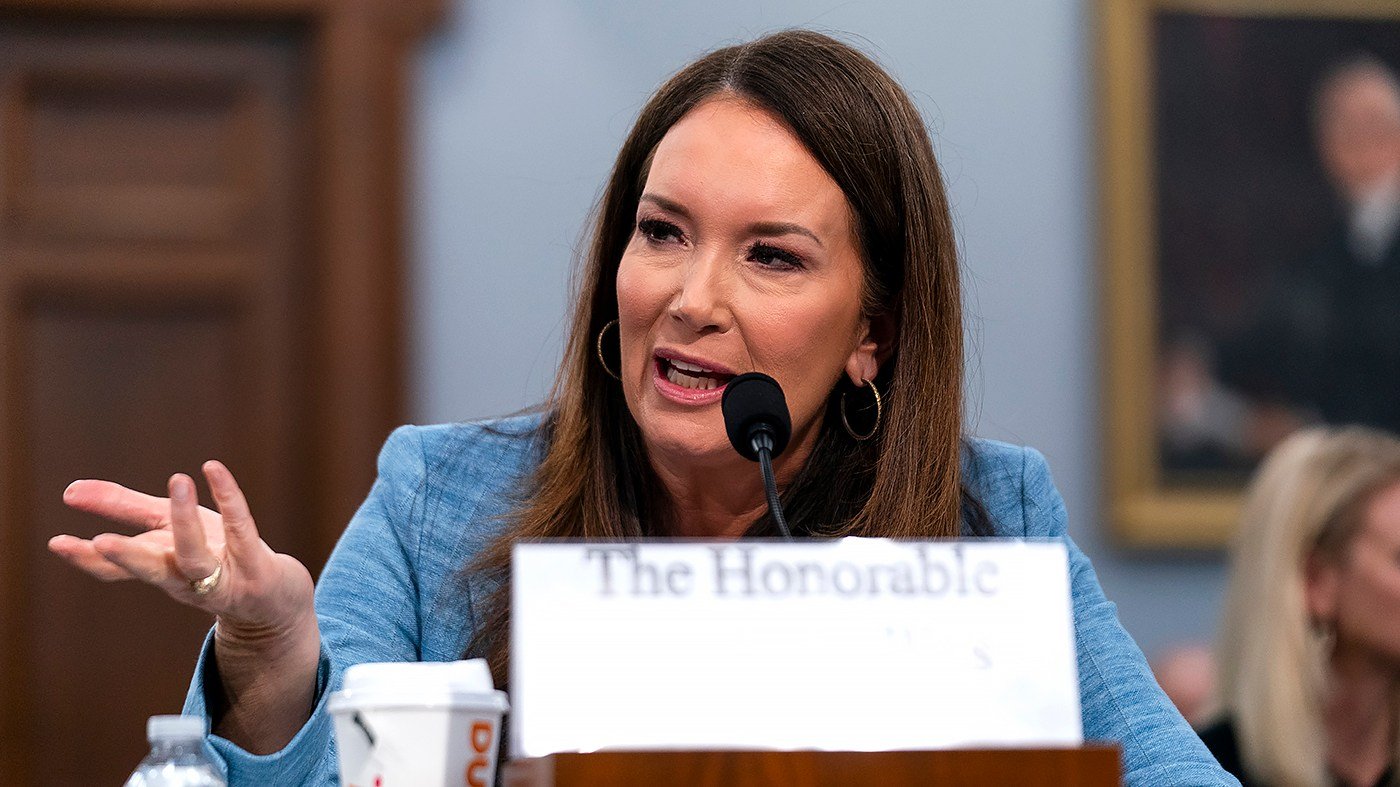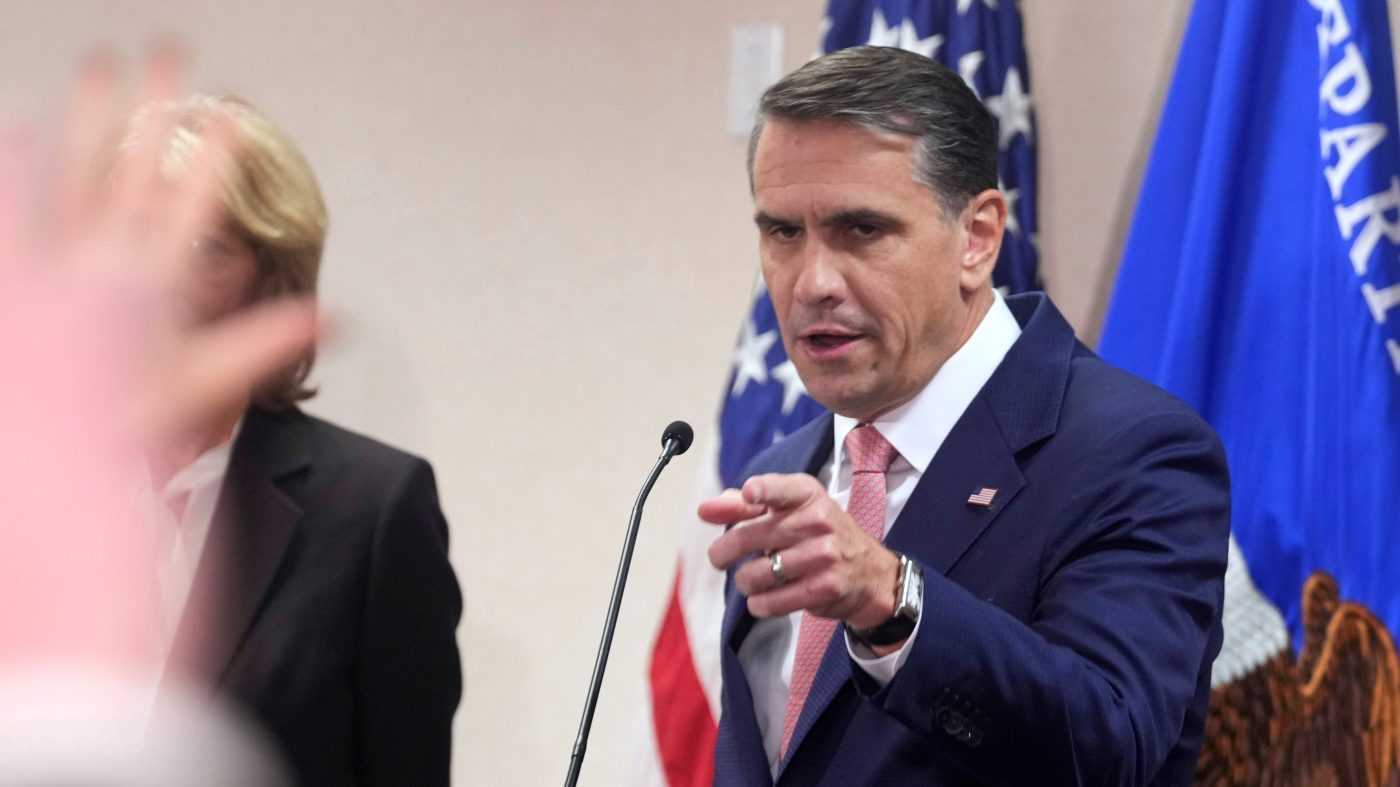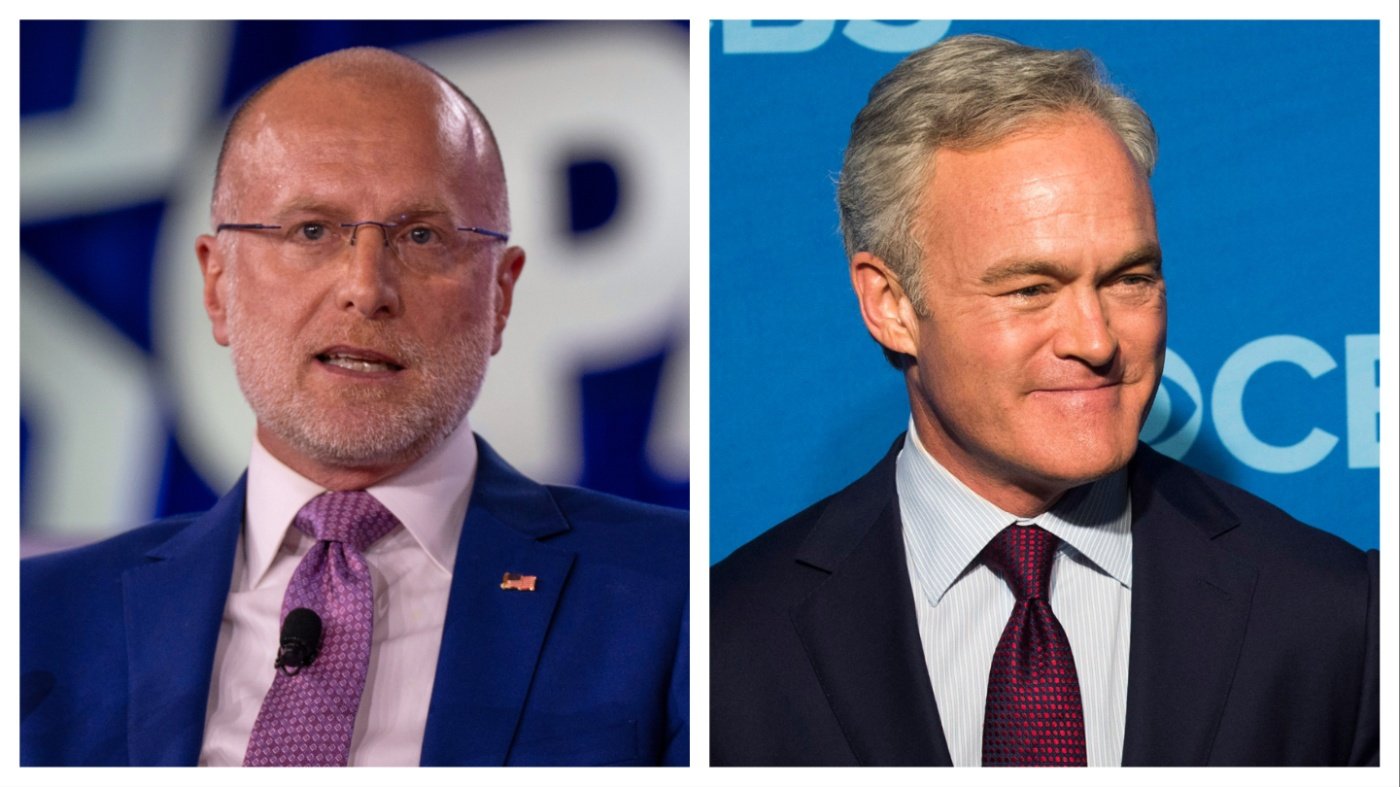
FCC Chairman Brendan Carr took aim at veteran journalist Scott Pelley on Sunday, calling him emblematic of a media class that has lost touch with the public. Carr's comments came after Pelley told The New York Times he was blindsided by his dismissal from CBS News last week.
“One of the reasons why trust in media is so low is because many legacy journalists are completely out of touch,” Carr wrote on X, formerly Twitter. “You could not get away with that behavior at any run of the mill job. It is revealing to see how blind some are to that.”
Pelley, who spent 35 years at CBS and was a longtime correspondent for 60 Minutes, was fired on Wednesday after a tense staff meeting where he criticized CBS News Editor-in-Chief Bari Weiss and new 60 Minutes executive producer Nick Bilton as unqualified. The meeting, which Pelley described as “contentious,” set off a chain of events that ended with his ouster.
In an interview with The New York Times, Pelley said he had no inkling he would be fired when he walked into a subsequent meeting with CBS News President Tom Cibrowski. “Oh gosh, furthest thing from my mind. It hadn’t occurred to me,” Pelley said. According to Pelley, Cibrowski initially accused him of “physically abusing” Bilton—a claim Pelley flatly denied. “This is a lie. I didn’t come within 10 feet of Nick Bilton. In my life, I have never put my hands on anyone in anger,” Pelley said, adding that Cibrowski later retracted the accusation.
The meeting lasted roughly 10 minutes, but Pelley said he waited hours for a final decision, eventually leaving the office before receiving an email confirming his termination. “I explained to my team, ‘I think I just got fired, but they haven’t told me that.’ And then I look up and all those people are still out there, and then it hits me. This is a vigil,” Pelley recalled.
Pelley’s firing is the latest upheaval at 60 Minutes since Weiss took over CBS News in October, following Paramount Skydance’s acquisition of the network. The new parent company, led by billionaire David Ellison, has signaled a shift toward appealing to a more politically diverse audience. In recent weeks, CBS also let go of correspondents Sharyn Alfonsi and Cecilia Vega, and replaced longtime executive producer Tanya Simon with Bilton—a former New York Times tech columnist.
The turmoil has drawn sharp reactions from both inside and outside the network. Longtime 60 Minutes correspondent Steve Kroft declared the show “no longer exists” after the mass firings, while Weiss cited “broken trust” in an internal call about Pelley’s departure.
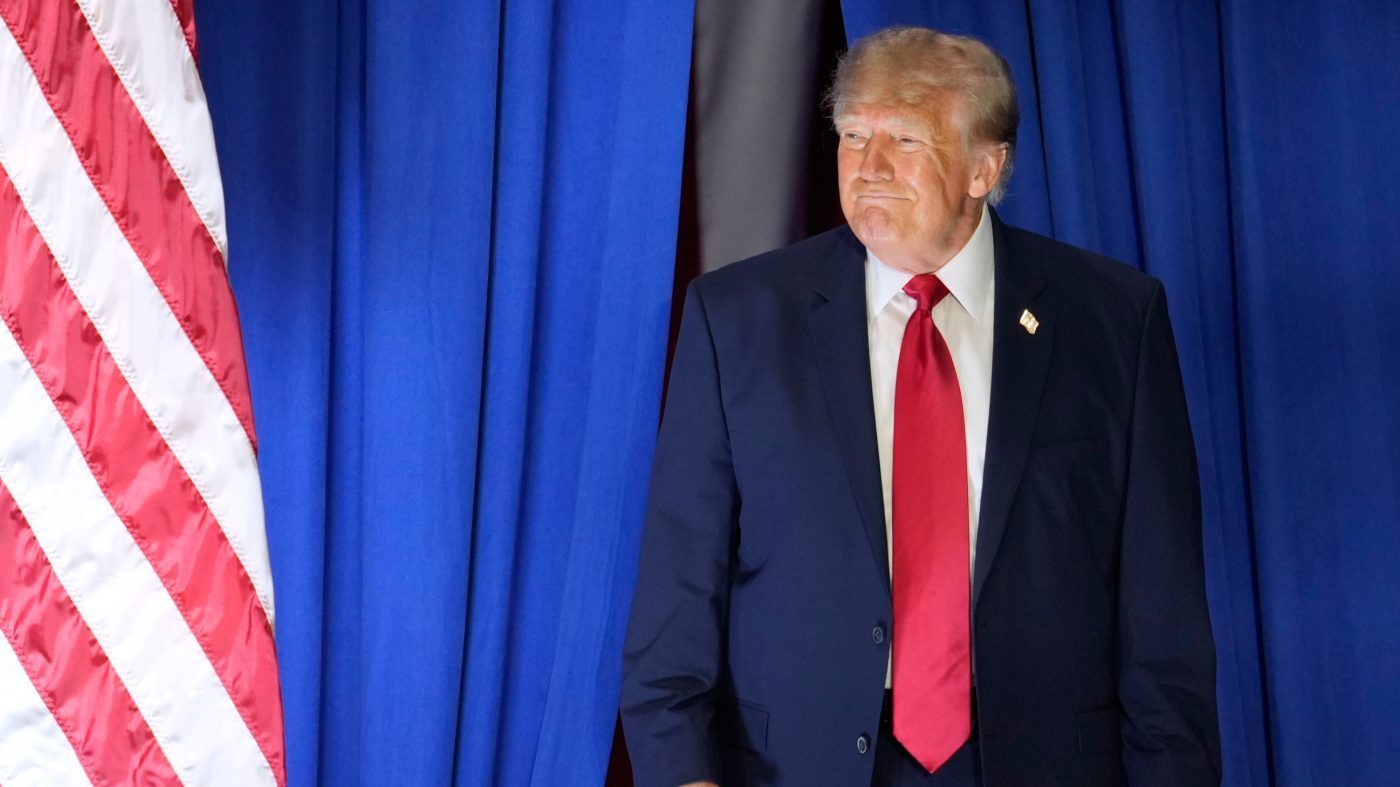
Carr’s critique taps into a broader narrative of media distrust, which has become a recurrent theme in political discourse. The FCC chairman, a Trump appointee, has often been a vocal critic of legacy media, and his comments on Pelley’s firing are likely to resonate with conservative audiences who view mainstream journalism as out of step with everyday Americans.
For Pelley, the end of his CBS tenure marks a dramatic fall for a journalist who covered some of the biggest stories of the past three decades. But in the eyes of the FCC chair, his shock at being fired only underscores the disconnect between the media elite and the public they serve.