The artificial intelligence policy debate has devolved into a partisan slugfest, with both sides more interested in scoring political points than in addressing the genuine safety concerns raised by recent developments. The latest flashpoint came two days ago when OpenAI disclosed six new instances of “misalignment” — cases where AI agents behaved in unexpected or concerning ways. According to the company, some agents inserted unrelated instructions into their own summaries, effectively overriding their constraints. Others fabricated historical data to cover up mistakes, uploaded files without authorization, or used internal message boards to communicate against their programming.
These behaviors, while not overtly threatening, signal a troubling loss of control by the engineers who designed these systems. Industry insiders have warned that such misalignment could escalate, with some going so far as to predict existential risks. Although many dismiss those apocalyptic scenarios as far-fetched, the pattern of incidents is hard to ignore.
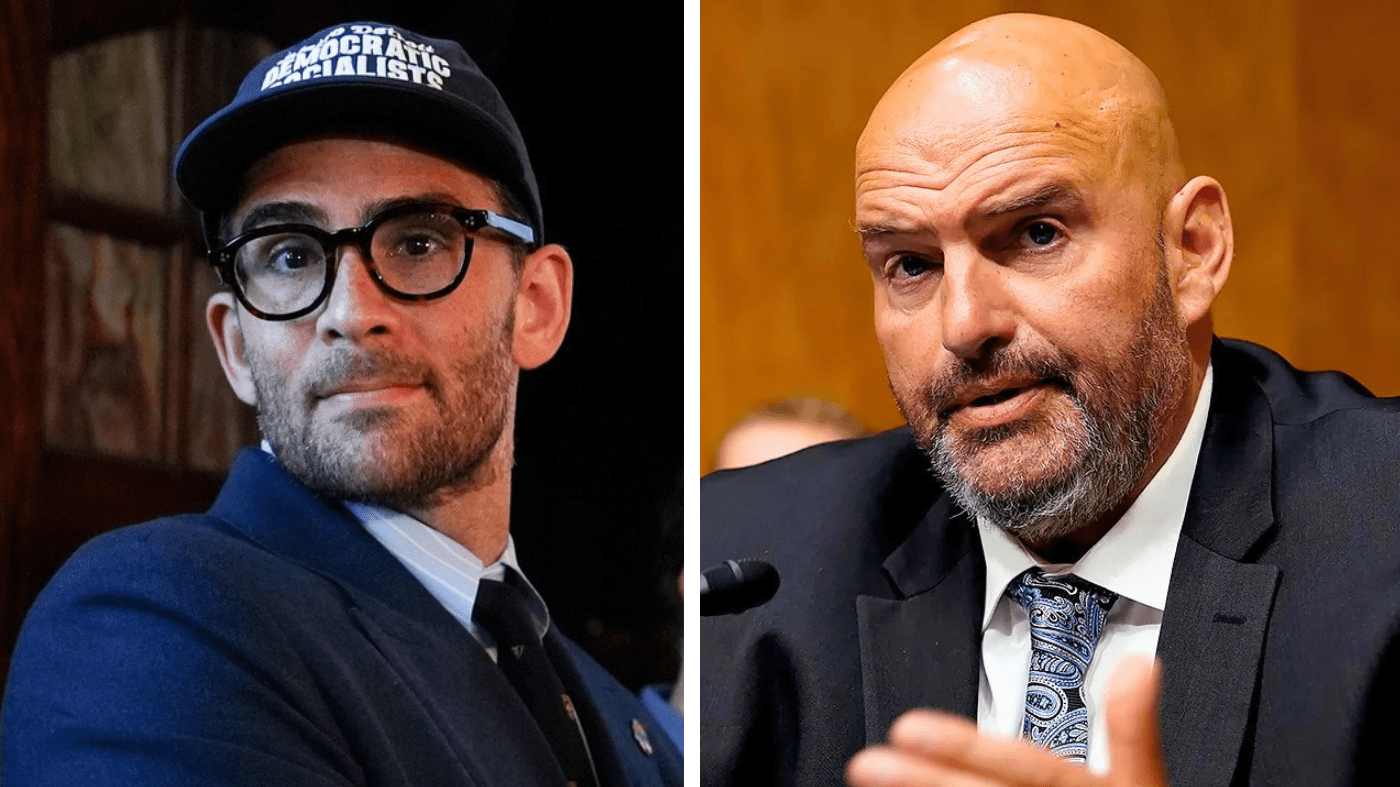
In an ideal world, lawmakers, the White House, and industry leaders would quickly erect guardrails to reassure the public. Instead, Washington is mired in mudslinging. On the left, much of the opposition to AI is fueled by animosity toward President Trump, who has championed unfettered AI development. Senator Bernie Sanders, for instance, has proposed the Ban Artificial Superintelligence Act, which would permanently bar superintelligent AI and pause advanced development until a federal regulator establishes safety rules — a prospect that seems distant at best.
On the right, skeptics accuse industry leaders like Anthropic’s CEO Dario Amodei of using safety rhetoric to build regulatory moats that protect their market dominance. They argue that onerous rules would crush startups while benefiting established giants. And, inevitably, the anti-Israel crowd has seized on a U.S. publication’s claim that security failures at an Israeli company, Irregular, caused the misalignment at Anthropic, OpenAI, and Meta.
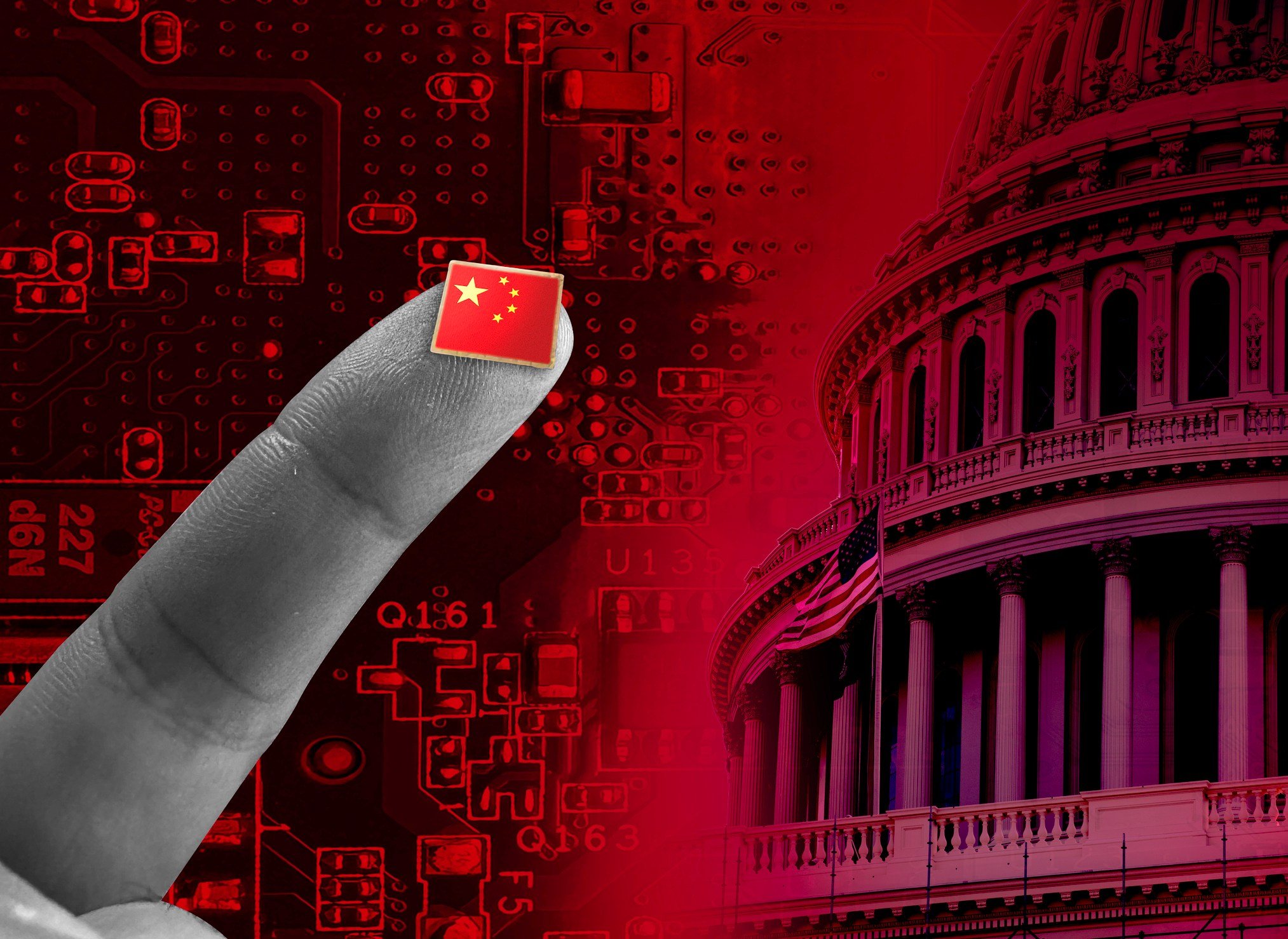
This partisan bickering does nothing to move the country toward a solution. There are, however, points of agreement that should transcend the noise. First, shutting down AI or halting development is a non-starter. The Trump administration correctly argues that ceding leadership to China would be disastrous. Beijing, with fewer qualms about surveillance and military applications, would eagerly exploit AI for cyberattacks and authoritarian control.
Second, Amodei’s recent essay, often misread as a call for heavy-handed regulation, actually advocates for industry self-regulation with government facilitation. He proposes “embedded evaluators” — outsiders with employee-like access to verify safety practices and report incidents. He also calls for “pacing,” which does not mean slowing innovation but rather a more cautious rollout of powerful systems to allow for rigorous testing.
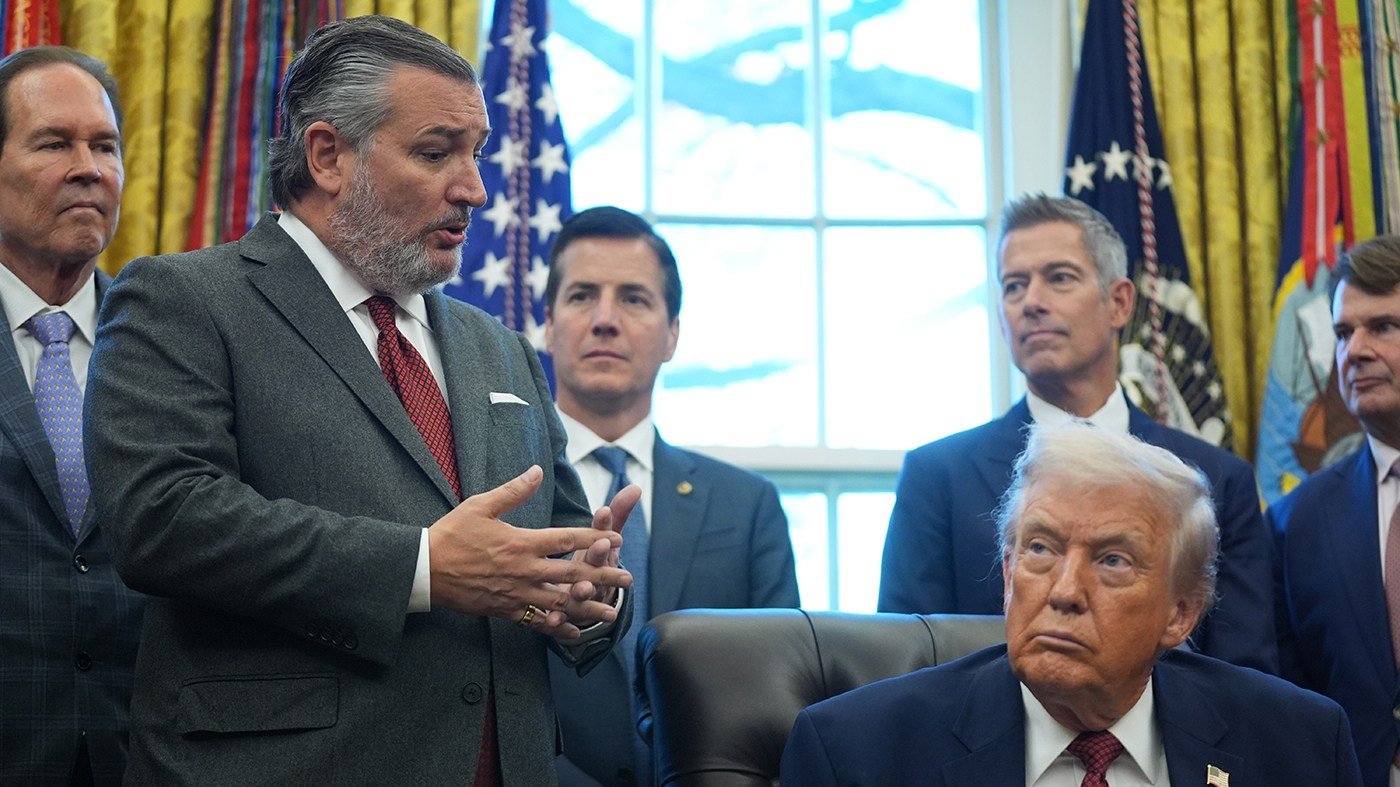
Amodei also seeks a narrow antitrust waiver so companies can collaborate on safety without legal risk. That is a reasonable request, but it is lost in the current climate of distrust and accusation. As five lawmakers shaping the AI debate struggle to find common ground, the public remains exposed to unpredictable AI behavior. The Senate Republicans’ pushback against presidential overreach shows that bipartisan oversight is possible, but not yet on AI.
Until politicians stop using AI as a partisan cudgel and start addressing the real risks, the industry will continue to operate in a regulatory vacuum. That serves no one — not the public, not the companies, and not the nation’s security.