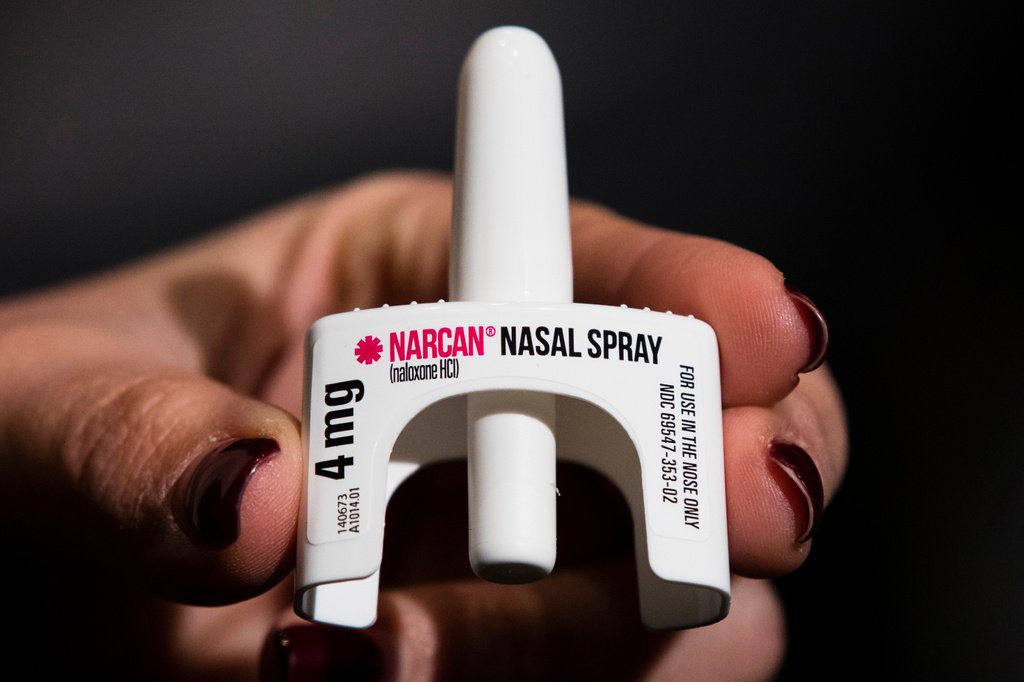
For the first time since fentanyl flooded American streets, the tide of overdose deaths is receding. According to CDC data, overdose fatalities dropped 27% in 2024, marking a third consecutive year of decline from a peak of over 110,000 in 2023 to roughly 70,000. These numbers represent mothers, sons, and neighbors who are alive today—lives saved by years of relentless work from families, advocates, and public health professionals. We saturated communities with naloxone, slashed treatment waitlists, and expanded harm reduction services, all made possible by federal programs that are finally paying off.
Yet just as we gain ground, Washington is undermining the foundation. The 2025 reconciliation law cuts more than $900 billion from Medicaid, the largest payer for mental health and addiction treatment in the country, potentially stripping coverage from an estimated 10 million people. In January, the Department of Health and Human Services abruptly canceled over $2 billion in behavioral health grants, only to reverse course within 24 hours after public outcry. As recovery advocate Ryan Hampton puts it, "You cannot defund the ambulance and take credit for the rescue."

The timing could not be worse. With inflation running above the Federal Reserve's target and tariffs costing families an extra $900 to $1,500 a year, household budgets are stretched thin. J.P. Morgan places the odds of a recession before 2027 at 35%. More than a third of adults report delaying or skipping care due to cost—and when money gets tight, mental health care is often the first sacrifice. The economic strain is already translating into psychiatric distress, echoing the "deaths of despair" that economists Anne Case and Angus Deaton documented in the wake of manufacturing collapse in the Midwest and Northeast. When an auto plant closes, opioid deaths rise in that town. Economic pain becomes psychiatric pain, and ignoring the first guarantees we pay for the second.
The costs of inaction are staggering. Mental illness drains an estimated $282 billion from the economy annually, while the opioid epidemic costs roughly $1.5 trillion a year in hospitalizations, incarceration, foster care, and funerals—the wreckage of untreated illness rather than treatment itself. Yet when Washington decides something matters, billions appear overnight. The Pentagon has already committed an estimated $29 billion to the war with Iran, with final costs projected above $200 billion. For a fraction of that, we could rebuild the entire behavioral health system and get more for every dollar.
We cannot keep patching a broken system. The solution lies in a New Deal for mental health and addiction, modeled on the original New Deal that built highways and electrified rural America. This begins with the workforce: paying therapists, counselors, and peer specialists a living wage, speeding up licensure, and enforcing parity laws that require insurers to cover mental health care like any other medical treatment. More than 137 million Americans live in areas with insufficient mental health providers, and many with insurance encounter "ghost networks"—directories full of providers who never return calls. Organizations like Inseparable have already mapped the solutions; what's missing is the political will to fund them.
Technology also plays a crucial role. Telehealth has dismantled the two biggest barriers to care: distance and long waits. After sustained pressure from the National Alliance on Mental Illness and the recovery community, federal regulators finalized rules allowing providers to initiate opioid use disorder treatment via video, including prescribing medications like Suboxone. Bicycle Health, the nation's largest telehealth provider focused on opioid use disorder, has treated more than 50,000 patients.
None of this happens without voter demand. A recent Change Research survey found that 82% of Americans say politicians talk about mental health too little, and 63%—including 70% of women—are more likely to back a candidate who makes it a top-three priority. This sentiment cuts across party lines: 82% of Democrats and 72% of Republicans agree. Mental health is a kitchen-table issue hiding in plain sight, and the midterms are the moment to demand concrete plans before the next downturn hits.
We know what saves lives because we've watched it work. Now we need leaders willing to finish the job with a New Deal for mental health and addiction. The progress we've made is fragile, and Washington's current trajectory threatens to squander it. As Hampton warns, we must act now before the gains evaporate.