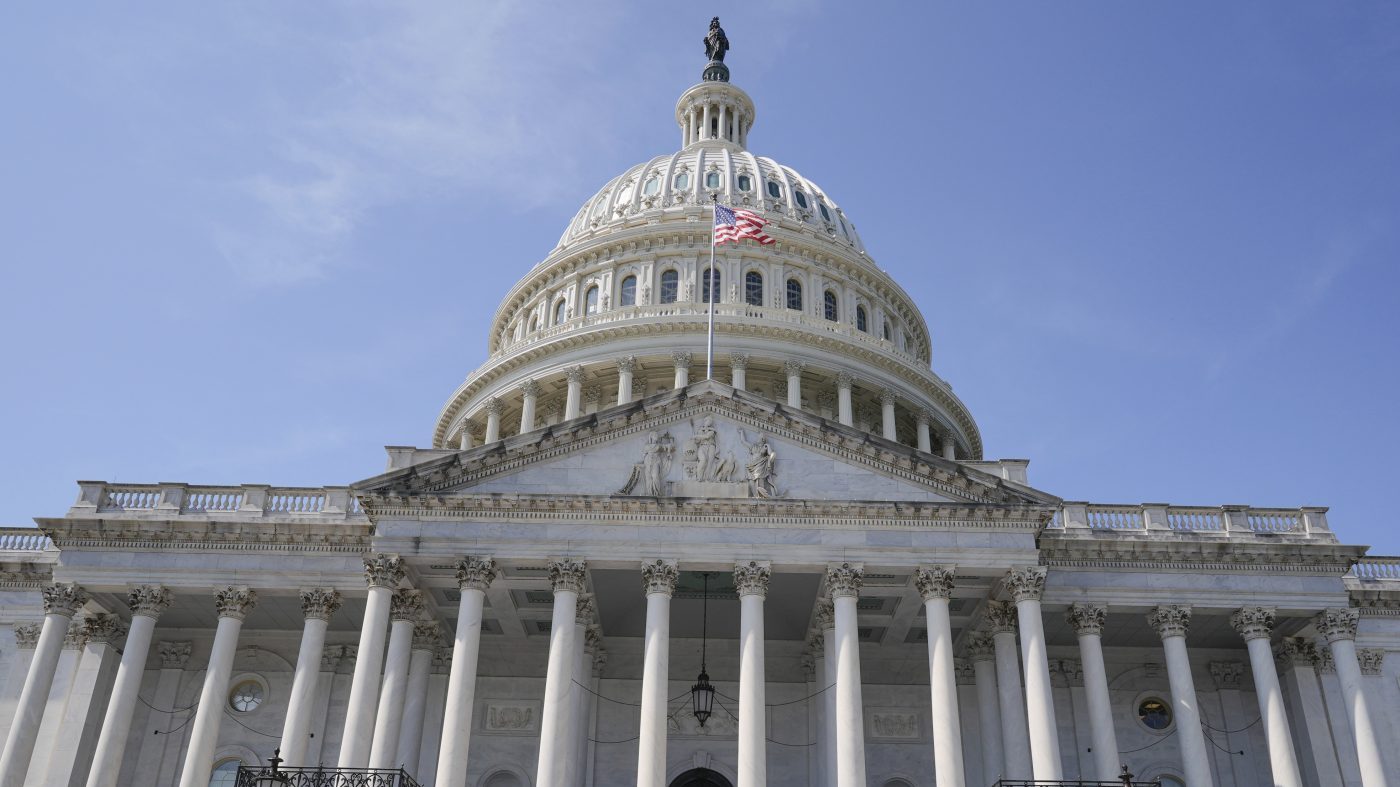
A striking new poll from Reuters/Ipsos reveals that more than a third of Americans doubt the United States will remain intact as a single nation over the next 250 years, a finding that underscores the deep political fissures and growing pessimism ahead of the country's semiquincentennial.
According to the survey, released Tuesday, 38 percent of respondents said they do not believe the U.S. will exist as a unified country two and a half centuries from now. In contrast, 62 percent expressed confidence in the nation's long-term survival. The results come as the U.S. approaches its 250th anniversary, a milestone that might otherwise be a moment for celebration but is instead shadowed by widespread concern about the country's trajectory.
The partisan breakdown reveals a notable gap: 26 percent of Republicans and 40 percent of Democrats said the U.S. will not be a whole country in 250 years. That 14-point difference suggests that pessimism about the nation's future is not confined to one side of the political spectrum, though it is more pronounced among Democrats.
The poll was conducted amid a backdrop of heightened political tensions, including multiple instances of political violence in recent years and increasingly incendiary rhetoric from leaders and activists alike. These factors appear to have eroded public faith in the country's stability and institutions.
Beyond the question of survival, the survey also captured a decline in national pride. Only 30 percent of respondents said the U.S. is the world's best country, down from 38 percent in November 2017. Meanwhile, 48 percent described the U.S. as one of many excellent countries, 13 percent said it is not great in any way, and 8 percent did not answer or were unsure.
Other recent polling paints an equally bleak picture of Americans' confidence in their government. A Quinnipiac University survey from early June found that more than half of Americans believe the system of democracy is not working. President Donald Trump, a deeply polarizing figure, held a 40.3 percent approval rating in the Decision Desk HQ polling average as of Tuesday morning, with disapproval at 56.8 percent.
The Reuters/Ipsos poll was conducted from June 12 to 15, surveying 1,537 U.S. adults. It has a margin of error of plus or minus 3 percentage points.
As the nation grapples with these challenges, questions about shared national identity and the durability of American democracy are becoming more urgent. For a deeper look at whether citizens can still find common ground, read our analysis: 250 Years On, Can Americans Still Celebrate a Shared National Pride?
Meanwhile, political infighting continues to threaten legislative priorities. The GOP infighting over a third reconciliation package could further undermine public trust in government's ability to function, especially as defense funding plans hang in the balance.