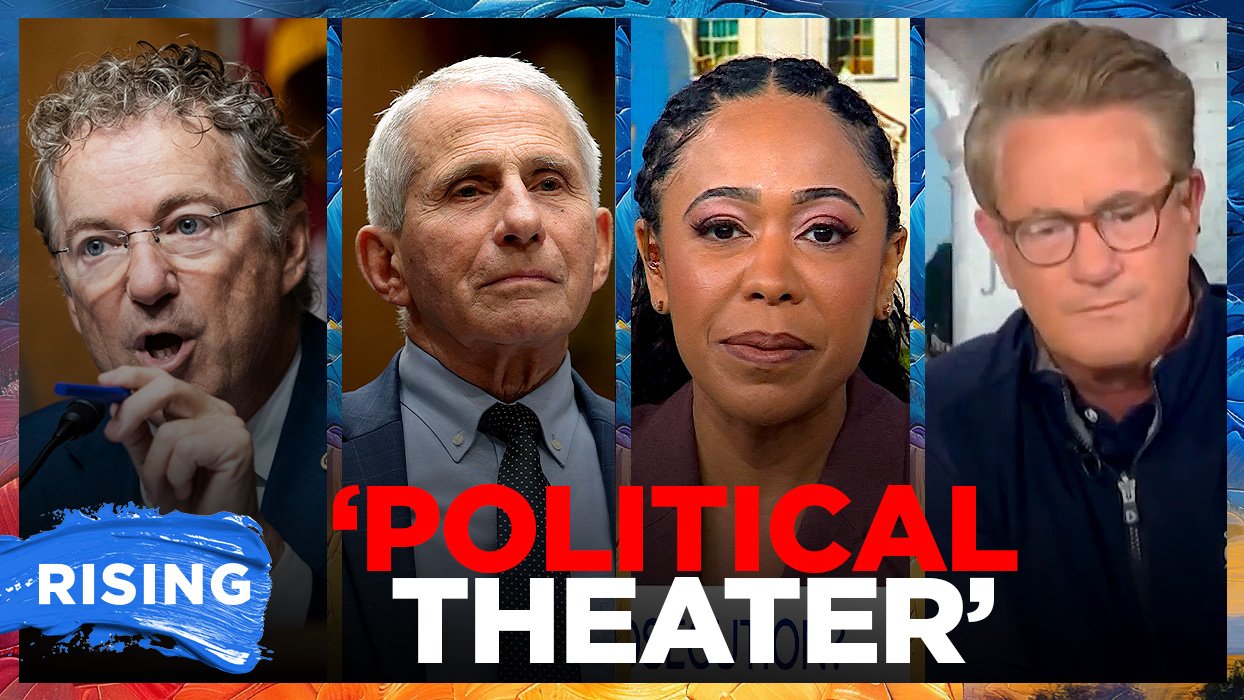
The Senate hearing with Dr. Anthony Fauci this week was less a search for truth and more a staging ground for political retribution. From the outset, Senator Rand Paul, who subpoenaed Fauci, framed the former infectious disease chief as a criminal who deliberately misled Americans during the COVID-19 pandemic. The tone was set before Fauci even took his seat.
Fauci, in his opening remarks, accused Paul of harboring an obsession with prosecuting him. That dynamic played out over hours of testimony, with Fauci ultimately invoking the Fifth Amendment more than a hundred times. Paul has since threatened contempt proceedings, but the subtext is clear: this was never about fact-finding. It was about settling scores.
Missed opportunity for honest review
What could have been a rare bipartisan moment to dissect what worked and what failed in the pandemic response devolved into a one-sided attack. Republicans, fixated on Fauci's alleged misdeeds, bypassed substantive questions about school closures, vaccine mandates, and the origins of the virus. As MSNBC's Joe Scarborough noted, the hearing was "sheer political theater" that "shamed" its participants. He lamented that Americans still need answers about the origins of COVID and the rationale behind key policy decisions, but the committee's chairman had already declared his intention to put Fauci behind bars.
Even Bravo host Andy Cohen weighed in, defending Fauci's decades of public service, including his role in the HIV/AIDS response and the PEPFAR program, which has saved millions of lives. Cohen called the hearing "deeply unserious and dangerous," pointing out that Congress has far more pressing matters to address.
Republicans double down on prosecution
Senator Tommy Tuberville of Alabama made the GOP's intent unmistakable during a Fox News appearance, calling Fauci the "weasel of the year" and vowing to sue him into poverty. "He will eventually end up either broke or in prison," Tuberville said. The irony is that Alabama suffered some of the highest COVID death rates in the nation, with vaccination rates persistently below the national average—a fact public health experts link to mixed messaging from state leaders.
The fixation on Fauci has overshadowed the real lessons of the pandemic. Instead of debating which policies should never be repeated, the hearing became a vehicle for criminalizing policy disagreements. Even TMZ founder Harvey Levin, no fan of the government's COVID response, drew a line between questioning decisions and alleging criminal intent. "They want to prosecute him, they want to convict him, they want to throw him in prison," Levin said. He noted that in today's climate, any statement Fauci makes could be twisted into a perjury charge, making his silence a rational choice.
This isn't about accountability; it's about political theater. The refusal to engage with the substance of the pandemic response means we're no closer to understanding what went wrong—or preparing for the next global health crisis. As some Democrats have acknowledged, Fauci's ego may have complicated things, but the GOP's grilling crossed a line. The result is a missed chance to turn a national tragedy into a learning opportunity.
In the end, the hearing was a symptom of a broader dysfunction: the inability to separate genuine oversight from partisan vendettas. Until that changes, we're likely to see more of the same—more hearings designed to punish, not to inform.