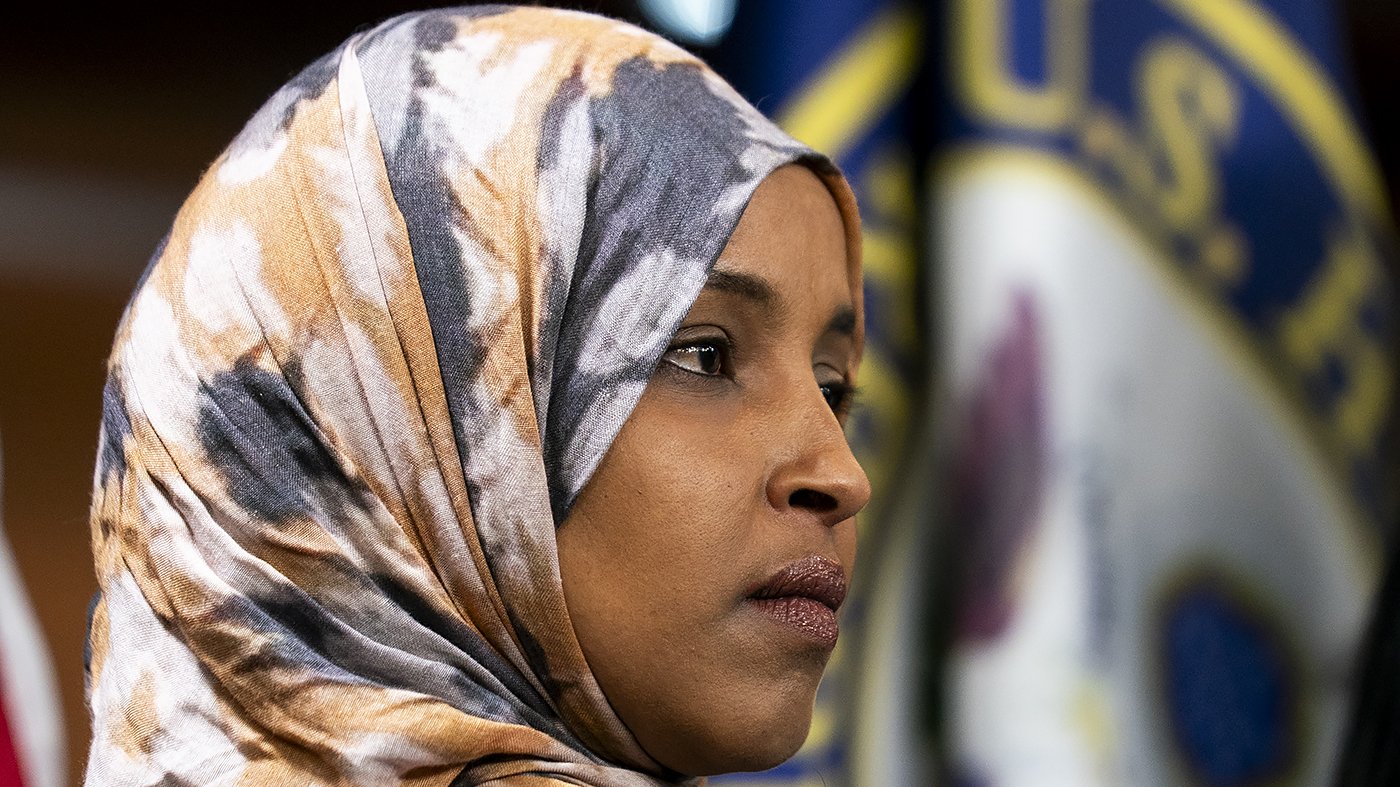
Representative Ilhan Omar, a Minnesota Democrat and co-chair of the Congressional Cannabis Caucus, asserted Wednesday that a significant number of her colleagues on Capitol Hill use marijuana. In an impromptu interview with TMZ in Washington, D.C., Omar was pressed on why no lawmakers openly identify as regular cannabis users.
“I will say – advocacy for legalizing doesn’t necessarily mean that you are a user, so everybody can be an advocate to legalizing it because we understand that it is not OK for us to spend the billions of dollars we do now in incarcerating people for smoking a joint,” Omar said initially. When the reporter persisted, she smiled, laughed, and replied, “I think there are a lot of people who smoke cannabis in Congress,” before flashing a peace sign and walking away.
Push for Federal Legalization
Omar emphasized the need to legalize marijuana nationwide, pointing to the growing number of states that have already done so. She credited former President Donald Trump for shifting Republican attitudes on drug policy, noting that his administration had opened dialogue with GOP allies on the issue. “I think any step forward is a good step, but we need to go farther than where we are yet,” she said. “We need to continue building the coalition, we need to continue to have people speak to the president. He has the power, Congress has the power, and it’s time for us to come together and get this done.”
The Trump administration moved to reshape federal drug policy last month, signing an executive order to loosen research restrictions on psychedelic drugs for medical use, including treatment of depression and substance abuse. The order also directed the FDA to fast-track reviews, potentially accelerating approval of psychedelic medicines. Several GOP lawmakers, including Representatives Morgan Luttrell of Texas and Jack Bergman of Michigan, have advocated for making psychedelics more accessible to veterans as a treatment option.
Medical Marijuana Reclassification
Acting Attorney General Todd Blanche subsequently ordered state-licensed medical marijuana to be reclassified as less dangerous, fulfilling a campaign promise to expand medical treatment options. The order lowers federal regulation of medical marijuana and provides tax breaks to licensed operators. “These actions will enable more targeted, rigorous research into marijuana’s safety and efficacy, expanding patients’ access to treatments and empowering doctors to make better-informed healthcare decisions,” Blanche announced on X.
While these steps do not legalize recreational use, they mark a sharp departure from the “war on drugs” era launched under President Richard Nixon. Critics, however, argue that the reclassification sidesteps science and safety concerns, as highlighted in a recent analysis of marijuana rescheduling as a political fix. Senator Tom Cotton of Arkansas has also blasted the move, calling it a “wrong direction” for federal drug policy.
Omar’s comments come amid broader debates over cannabis reform, with some Democrats pushing for full legalization and others wary of the health implications. The Congressional Cannabis Caucus, which Omar co-chairs, continues to advocate for federal changes, though the path forward remains uncertain.