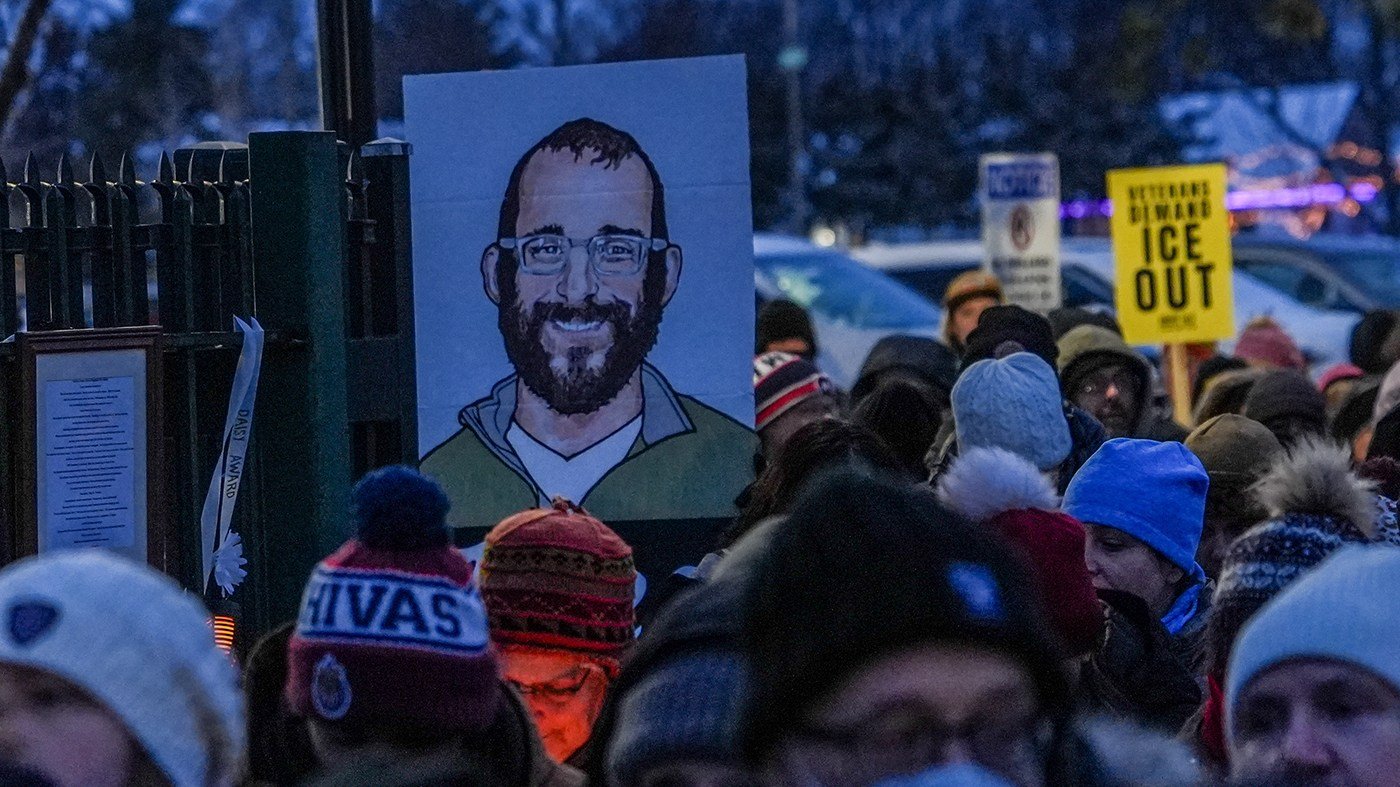
The mother of Alex Pretti, a Minneapolis nurse fatally shot by federal immigration agents in January, said Tuesday that the family remains in the dark about the investigation into his death, accusing the Justice Department of continuing to stonewall. Susan Pretti, in an Instagram post marking 304 days since her son's killing, wrote that the federal government “murdered my first born and only son Alex.” She noted that 32 days have passed since the family held a press conference pleading with the DOJ and Daniel Rosen, the U.S. Attorney for the District of Minnesota, to do their jobs—and that they have received no response.
“We are still being stonewalled,” she wrote. “Alex will never again be at our Thanksgiving table. We will never hear his infectious laughter, nor his funny stories of camping, biking, time spent with his beloved friends, or even some of his most heartbreaking stories of his patients' struggles.”
Pretti addressed Rosen and the DOJ directly, telling them that as they gather with their families for the holiday, they should “remember Alex and what your actions have stolen from us and continue to take from us every single day since Jan. 24, 2026! We will never stop seeking justice for Alex.”
Susan and her husband Michael have previously accused the DOJ of protecting those responsible for their son's death. In a statement last month, Michael Pretti said the family has received no communication from federal officials in the nine months since the shooting. “Share the evidence now so prosecutors can follow the facts and hold these men accountable,” he said. “Do your job and stop shielding Alex's killers.”
Alex Pretti, a 37-year-old intensive care nurse, was killed on Jan. 24 while filming immigration agents during the Trump administration's immigration crackdown in Minnesota. His death came less than three weeks after Renee Good, another Minneapolis resident and U.S. citizen, was shot and killed during an ICE operation.
The Hennepin County Medical Examiner ruled in February that Pretti's death was a homicide. The family and Minnesota officials have said the DOJ stopped sharing evidence related to the deaths of Pretti and Good. State officials have asked a judge to compel the DOJ to hand over the evidence, arguing the federal government has no legal authority to obstruct their investigation.
The DOJ agreed to share evidence with state officials in July after being sued, but the cooperation reportedly ceased shortly thereafter. The family has also criticized the Department of Homeland Security for failing to retract its initial characterization of Pretti, which claimed he intended to “do maximum damage and massacre law enforcement”—a description contradicted by video footage of the encounter.
The case has drawn attention to the broader tensions between federal immigration enforcement and local oversight. As the family presses for answers, they have also pointed to the administration's aggressive immigration policies and the strain on federal agencies as contributing factors. The family's fight echoes similar struggles by other families seeking accountability in federal law enforcement incidents, such as the Uvalde victims' families pushing for institutional reforms.
As the investigation remains stalled, the Pretti family's demand for transparency has become a rallying point for those concerned about the use of force by federal agents and the accountability of the justice system.