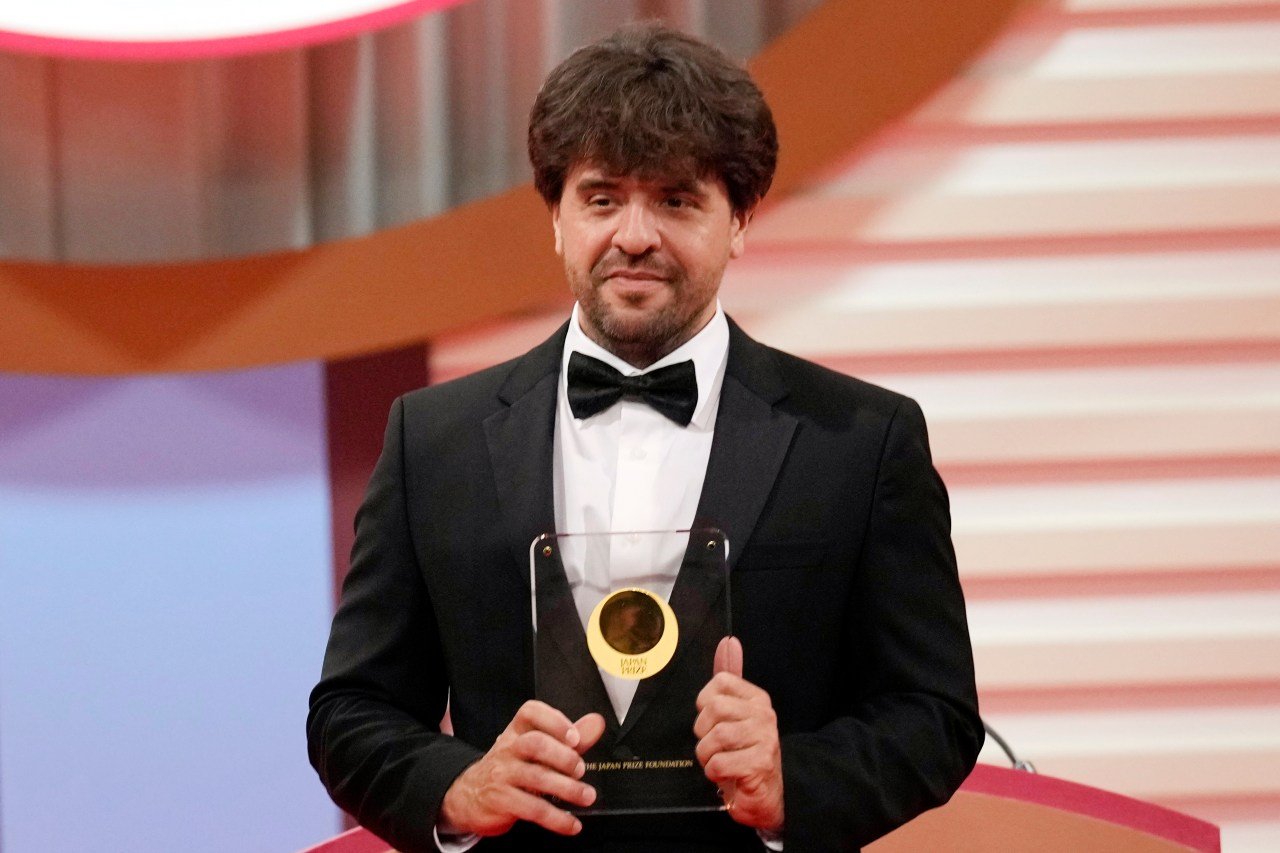
The Nobel Prize in Physiology or Medicine was awarded on Monday to three scientists whose research has enabled researchers to control brain activity with beams of light, a breakthrough that has transformed neuroscience. Karl Deisseroth of Stanford University, Peter Hegemann of Humboldt University in Berlin, and Georg Nagel of the University of Würzburg were honored for their work on optogenetics, a technique that combines optics and genetics to precisely turn individual nerve cells on or off.
The Nobel Assembly at the Karolinska Institute in Stockholm announced the award, praising the trio for developing a "light-controlled switch" that allows scientists to manipulate brain circuits with unprecedented precision. In a post on X, the assembly noted that the method "is now being used in laboratories around the world to reveal the brain’s mysteries."
Optogenetics emerged from a series of discoveries that began with Hegemann's investigation into how single-celled green algae navigate toward light. Hegemann and Nagel identified a protein that, when exposed to blue light, opens a channel in the cell membrane, generating an electrical impulse. By inserting this protein into other cells, they made those cells light-sensitive, effectively creating a biological light switch.
Deisseroth then took the next crucial step: he used the gene encoding this protein to create a light-controlled switch in nerve cells of living mice. This allowed researchers to activate or silence specific neurons in real time, providing a powerful tool to study how brain activity drives behavior and disease. The technique has since been adopted by laboratories worldwide, enabling studies of conditions such as Parkinson's disease, depression, and addiction.
Thomas Perlmann, secretary of the medicine committee, said he managed to reach all three laureates by phone on Monday. The Associated Press's attempts to contact the winners were not immediately successful.
The prize, announced at the Karolinska Institute, kicks off this year's Nobel week. The award comes with a prize amount of 12 million Swedish kronor (about $1.2 million), which will be shared among the three laureates.
Last year's medicine prize honored three scientists for their research on the immune system. The upcoming Nobel announcements include the physics prize on Tuesday, chemistry on Wednesday, literature on Thursday, the peace prize on Friday, and the economics prize on October 12.
This year's recognition underscores the growing importance of interdisciplinary research in neuroscience. As academic reward systems evolve to accommodate such breakthroughs, the field continues to push boundaries. The laureates' work also highlights the potential for brain-related discoveries to inform treatments for neurological disorders.
The Nobel committee's choice reflects a broader trend in science: the convergence of biology, physics, and engineering. As federal research funding faces political pressures, the recognition of such foundational science serves as a reminder of the value of basic research.