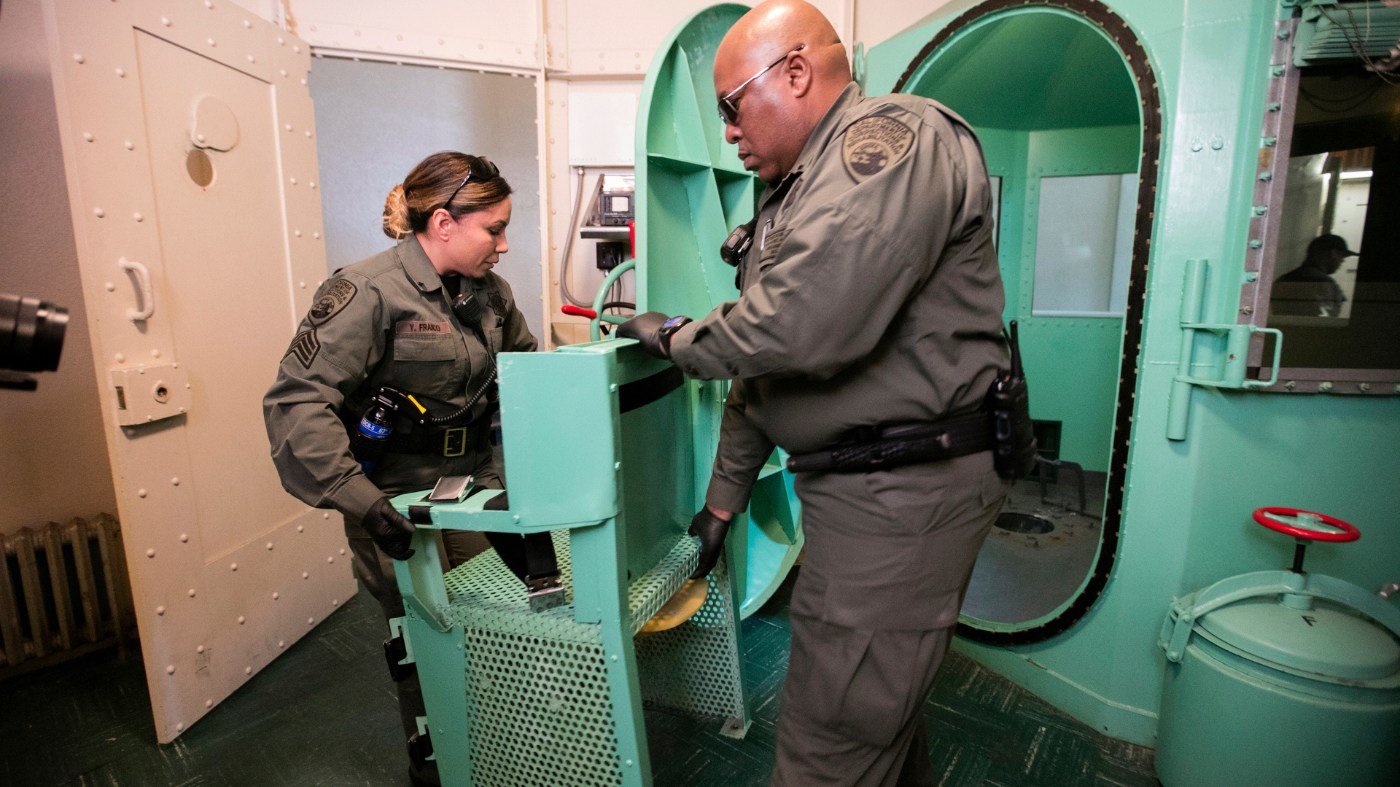
California Gov. Gavin Newsom (D) has commuted the sentences of all 548 individuals on the state's death row, a historic action that effectively ends capital punishment in a state that hasn't carried out an execution in two decades. The move, announced just before he leaves office, transforms a long-dormant penalty into a statewide reckoning over how justice is administered.
Santa Clara County District Attorney Jeff Rosen, who once sought the death penalty himself, now backs the governor's decision. In a detailed statement, Rosen described how his views evolved after visiting the Equal Justice Initiative's Legacy Museum in Montgomery, Alabama, where he confronted the legacy of racial terror lynchings and their connection to modern executions. "I asked myself whether there is any such thing as a moral execution," he wrote.
Rosen stopped pursuing capital punishment in 2020 and later asked courts to resentence 12 men his county had sent to death row. He acknowledged that while he had no doubt about their guilt, "every exonerated person was once someone a prosecutor was sure about." Nationally, more than 200 death-sentenced individuals have been exonerated since 1973, including eight in California—all of them men of color.
The commutations do not erase convictions or free anyone, but they eliminate the risk of executing an innocent person—a fear Rosen says every prosecutor carries. He argues the death penalty has also failed victims' families, offering false promises of closure while dragging them through decades of appeals and hearings. In Santa Clara County, two men sentenced to death in 1997 still had not completed direct appeals more than 20 years later.
California has spent over $6 billion on capital punishment since 1978, resulting in just 13 executions. More than 80% of death sentences that completed judicial review were reversed. Racial disparities persist: Black Californians make up 6% of the population but over one-third of death row, and defendants are up to 8.8 times more likely to receive a death sentence when a victim is white.
Newsom's commutations follow a broader trend of states moving away from capital punishment. Rosen suggests California can now redirect resources toward violence prevention, mental health care for at-risk youth, rehabilitation programs, and better training for law enforcement—investments that actually enhance public safety and support survivors.
Rosen's own office saw benefits after abandoning capital cases: post-conviction litigation narrowed, freeing staff and funds to deliver swifter justice to victims' families. He believes the same can happen statewide, reducing court backlogs and allowing the commutations to pave the way for a more responsive system.
The district attorney emphasized that a prosecutor's duty is to seek justice, not just wins. "That includes recognizing when the system itself is causing harm," he said. Newsom's decision, he added, shows that public safety, accountability, and human dignity are not mutually exclusive.
As California moves forward, Rosen echoes voters' recent rejection of tougher voting rules as a sign of shifting priorities. The work now, he says, is building a justice system that earns the trust of every survivor and community it serves.