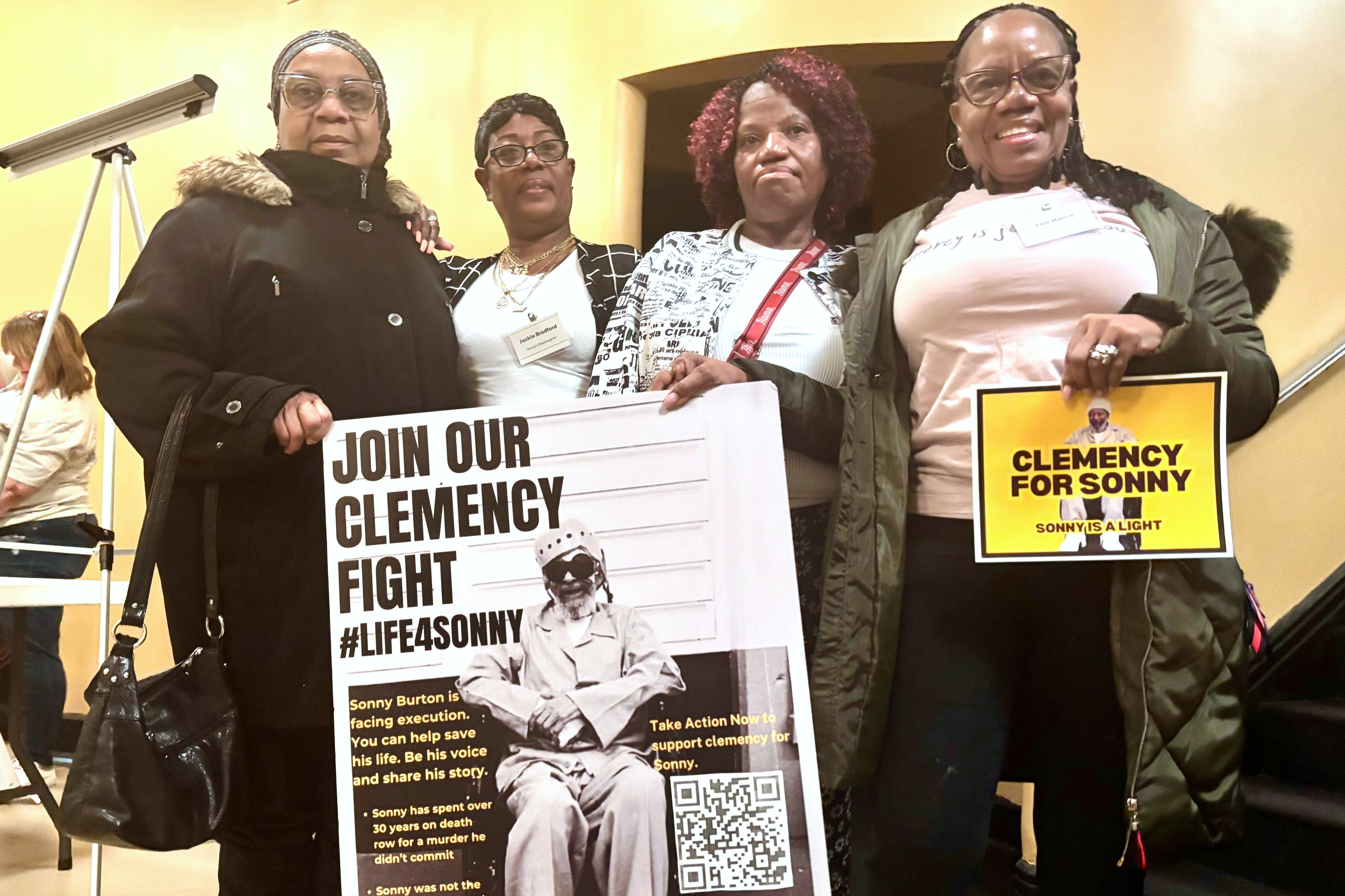
Alabama Governor Kay Ivey made headlines in October when she commuted the death sentence of Toforest Johnson, convicted of the 1995 murder of Deputy Sheriff William Hardy. It was her third such clemency action. Citing insufficient direct evidence, Ivey said the case warranted life without parole, though she stopped short of declaring innocence.
But as her term winds down, advocates are pressing Ivey to address a broader injustice: about two dozen inmates remain on Alabama's death row because trial judges overrode jury recommendations for life sentences under a now-abolished practice known as judicial override.

Judicial override was once permitted in four states—Alabama, Delaware, Florida, and Indiana—but Alabama's version was uniquely problematic. Attorney Meghann Lamb notes it lacked clear standards for judges to apply. The practice, initially meant to guard against emotional jury verdicts, became a tool for elected judges to project toughness on crime, especially during election years.
The racial disparities were stark. Studies show that while only 6% of murders in Alabama involve Black defendants and white victims, 31% of judicial override cases involved a defendant of color and a white victim.
Alabama abolished judicial override in April 2017, with Ivey signing the repeal on her first day in office. Yet the repeal was not retroactive. Attorney General Steve Marshall defends the continued executions, arguing the legislature's choice not to apply the new law retroactively reflects a deliberate decision to uphold final sentences.
State Rep. Chris England introduced a bill in 2024 to make the repeal retroactive, arguing that if judicial override was wrong, all those sentenced under it deserve resentencing. The House Judiciary Committee rejected the bill, with one opponent saying it's hard to second-guess judges who acted under the law at the time.
No court has overturned a death sentence imposed via override. The ball now sits with Ivey, who is not seeking reelection and leaves office in January. Historically, governors use their final months to exercise clemency, and Ivey has shown a willingness to do so. Other governors have taken bold clemency action in their final days.
Ivey should commute the sentences of the two dozen inmates who were sentenced under a practice the state itself has condemned. Alabama voters recently embraced conservative values, but this is a matter of fundamental fairness. No one should be executed because a single judge overruled a jury's decision to spare a life.