Top Democrats gathered in Washington on Tuesday for a strategy session where the message was clear: stop talking in abstractions and start naming names. At the Center for American Progress IDEAS conference, figures including California Governor Gavin Newsom pushed the party to directly call out its adversaries, with President Donald Trump serving as the primary target.
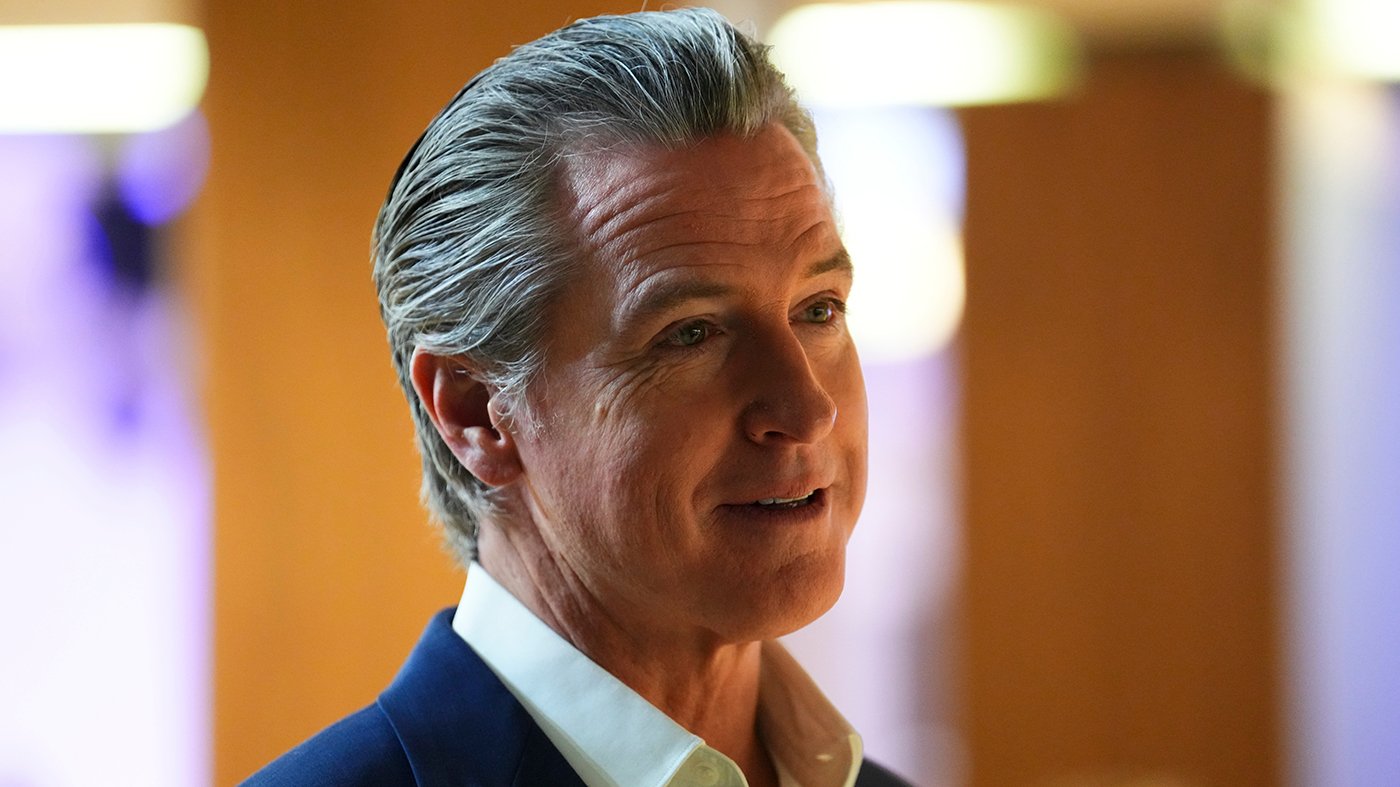
Newsom, widely seen as a front-runner for the 2028 Democratic presidential nomination, argued that the party's path to victory runs through confrontation. “People want fighters. People want people with conviction and clarity,” he said. He urged Democrats to identify “villains” in the tax code and in corporate monopolization, rather than tearing down fellow party members.
The conference, held just blocks from the White House, underscored the party's dual challenge: opposing Trump while also building a post-Trump agenda. While many speakers blasted the president as a threat to democracy, others stressed the need for practical policy solutions that resonate with voters.
New Jersey Governor Mikie Sherrill, a centrist, called for sharper, more pragmatic responses. “We cannot be the party of strongly worded letters,” she said. “We can’t settle for 10-year studies.” Sherrill focused on affordability, particularly utility costs, while Senator Elizabeth Warren pushed for universal childcare. Senator Raphael Warnock highlighted voting rights, implicitly calling for an end to the Senate filibuster. “No arcane Senate procedure should block people’s rights to have their voices heard,” Warnock said, a position echoed more directly by Representative Lauren Underwood, who declared the filibuster “has got to go.”
The gathering comes at a critical moment for Democrats. Trump's approval ratings have sunk, giving the party a strong chance to retake the House and possibly the Senate in November. Yet the party itself struggles with its own favorability—a recent Economist/YouGov poll found 56% of registered voters view Democrats unfavorably.
Newsom sought to bridge the divide, arguing that non-ideologues can tap into public anger. “That’s the reason Donald Trump’s in office, the reason Bernie fills stadiums. They’re both right on the diagnosis,” he said. “We can’t, with respect, fail more efficiently by managing, more effectively, the decline.” He urged Democrats to be a party that builds, contrasting with “destruction on the other side.”
House Minority Leader Hakeem Jeffries emphasized the party's focus on “cost, care, and combating corruption,” promising a guaranteed takeover of Congress in November. But not all speakers advocated for aggressive action. Representative Robert Garcia, asked about a new impeachment drive if Democrats retake the House, said, “You can’t take it off the table. But the reality is Trump does an impeachable offense every week. We could spend an enormous amount of time going through that process, or we could try to do everything we can to stop and slow the Trump regime.”
The conference highlighted the party's ongoing struggle to balance fighting Trump with offering a compelling alternative. While some see naming villains as a winning strategy, others caution that impeachment and other battles may not translate into votes. As Democrats weigh their next moves, the divide between progressives and centrists remains a key challenge.