When consumers see the familiar chasing arrows symbol on a plastic container, they likely assume it will be recycled if placed in the right bin. But that assumption often proves false. The symbol, originally designed for the first Earth Day in 1970, was meant to signal recyclability. In the late 1980s, however, the plastics industry repurposed it to categorize resin types—regardless of whether those plastics are actually recyclable.
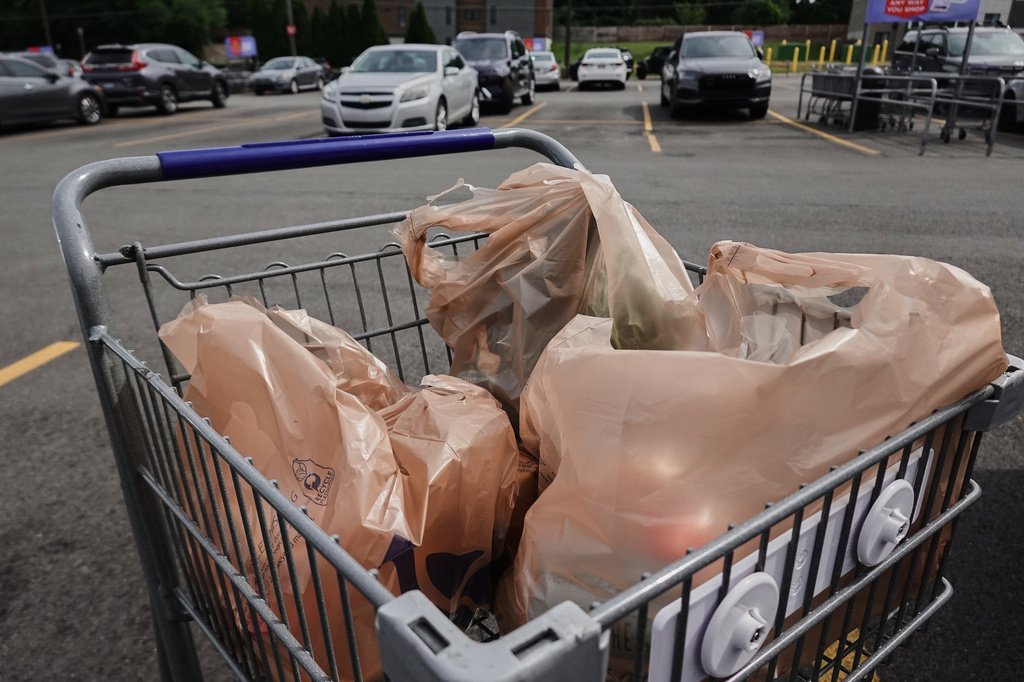
Less than 9 percent of plastics in the United States are recycled, a stark figure given the country's position as the world's top generator of plastic waste. Most plastics end up in landfills, are exported, or are mismanaged, contributing to severe ocean pollution. Scientists estimate that more than a garbage truck's worth of plastics enters the ocean every minute globally.

The vast majority of plastics found on beaches are not recyclable. Even small amounts of ingested plastic can be lethal to marine life—less than a sugar cube's worth can kill one in two Atlantic puffins.
The gap between consumer expectations and reality points to a regulatory failure. Americans and the environment deserve clearer rules, and a new bill aims to provide them. The Truth in Labeling Act, introduced by Sen. Jeff Merkley (D-Ore.) and Rep. Lou Correa (D-Calif.), would establish federal standards for when a product can be labeled “recyclable,” “compostable,” or “reusable.” Under the bill, a company could only call a product recyclable if most people can actually recycle it and if there is a real market for the recycled material. Importantly, the bill would not count harmful chemical recycling technologies as recycling.
The legislation would also strictly prohibit the use of the chasing arrows symbol on materials that are not actually recyclable, preventing consumers from being misled into thinking items will be recycled when they are destined for landfills, incinerators, or the ocean.
The push for label clarity comes amid a broader debate over plastic waste and recycling. Two other bills—the PACK Act and the Recycled Materials Attribution Act—have been introduced, but critics argue they set weak standards that would enable more greenwashing. The Recycled Materials Attribution Act, for instance, would allow plastics converted into fuel through certain chemical recycling processes to receive the same “credit” as truly recycled materials, incentivizing processes that generate hazardous waste. That could allow a plastic bag to be labeled as “100 percent recycled content” based on credits, even if it is made almost entirely from virgin plastic.
The PACK Act, meanwhile, would delegate recyclability decisions to third-party certifiers, including industry-backed groups that helped create the current confusion. It would also preempt states from requiring additional labeling clarity for their residents.
Anja Brandon, director of plastics policy at Ocean Conservancy, argues that ending ocean plastic pollution requires reducing overall plastic production, but that reduction must be supported by a recycling system that Americans can understand. “The Truth in Labeling Act is the fix our recycling system so desperately needs,” she said.
The bill represents a significant step forward in federal plastics legislation, addressing a long-standing regulatory gap. As Congress considers these measures, the debate highlights the tension between industry interests and consumer protection, a theme echoed in warnings about federal inaction in other sectors. Lawmakers will need to decide whether to prioritize clear, honest labeling or allow the plastics industry to continue shaping the narrative.