National parks offer breathtaking landscapes—from Bryce Canyon's hoodoos to the Everglades' wetlands—but for more than 200 visitors last year, those vistas proved fatal. New data from the National Park Service (NPS) shows 2025 saw over 200 deaths across the park system, up from roughly 190 in 2024 but down from over 230 in 2023.
The NPS did not release detailed cause-of-death data for 2025, but a review of park press releases and local media reports indicates that drownings and vehicle crashes were the most common fatal incidents. Wildlife-related deaths remained rare.

Vehicle Crashes and Drownings Dominate
Among the crashes, some involved animals. On the Blue Ridge Parkway—the most visited NPS site in 2025—a 60-year-old motorcyclist died after colliding with a deer. In Denali National Park, a 24-year-old man was killed when his vehicle struck a moose in August.
Drownings also claimed multiple lives, though specific numbers were not provided. The NPS has historically recorded drownings as a leading cause of death in parks with large water bodies.
Falls Claim Lives in Rugged Terrain
Several fatalities resulted from falls in remote or treacherous areas. In Denali, a 41-year-old ski mountaineer was found dead after falling 3,000 feet from a climbing route on Mount McKinley. At Glacier National Park, a 42-year-old fell from a steep, off-trail climbing route on Mount Gould. An 18-year-old died after slipping and falling down a 50-foot waterfall in Olympic National Park.
Lake Mead Leads in Total Deaths
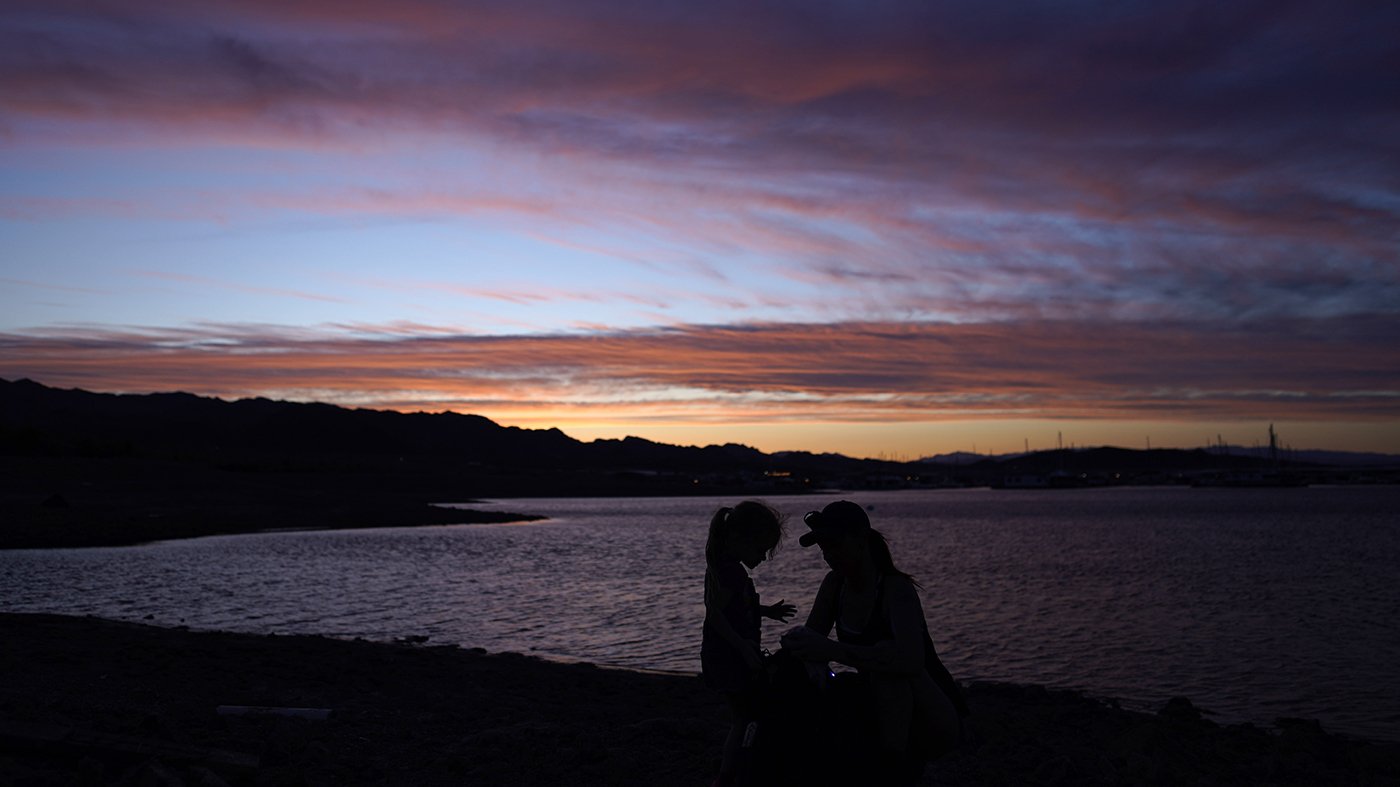
Lake Mead National Recreation Area recorded the most fatalities in 2025, with 18 deaths. Since 2007, the park has reported roughly 380 deaths—the highest of any NPS site and about 150 more than Grand Canyon National Park's 227.
The NPS sites with the highest number of reported deaths in 2025 were:
- Lake Mead: 18
- Blue Ridge Parkway: 13
- Natchez Trace Parkway: 11
- Great Smoky Mountains: 10
- Yosemite: 9
Other parks with at least one death included Zion, Arches, Acadia, Badlands, Indiana Dunes, Death Valley, Hawai'i Volcanoes, Grand Canyon, Grand Teton, and Sequoia—all of which saw more than 1 million recreational visits last year.
Death Rates Remain Low
Proportionally, far less than 1% of visitors died in national parks in 2025. The five deadliest parks by death-to-visitor rate were North Cascades, Tule Springs Fossil Beds, Fire Island National Seashore, Black Canyon of the Gunnison, and Denali. Even among the parks with the most fatalities, the death-to-visitor ratio was just 0.00013%.
The NPS reported 19 deaths through late February 2026, with at least 10 more occurring since. Many involved falls, including a woman who fell 60 feet from a cliff in Great Smoky Mountains, a Texas man who fell while hiking Angel's Landing at Zion, and a 26-year-old woman found dead below the South Rim of the Grand Canyon after being reported missing.
For context, these incidents occur against a backdrop of broader political debates around public lands management and safety. Meanwhile, other national security controversies—such as Trump skipping his son's wedding citing national security duties—continue to dominate headlines. And in a related vein, Cuba has blasted Rubio over national security claims, accusing him of pushing for war.
The NPS has not announced any policy changes in response to the 2025 death toll, but the data underscores the inherent risks of outdoor recreation—even in America's most treasured landscapes.