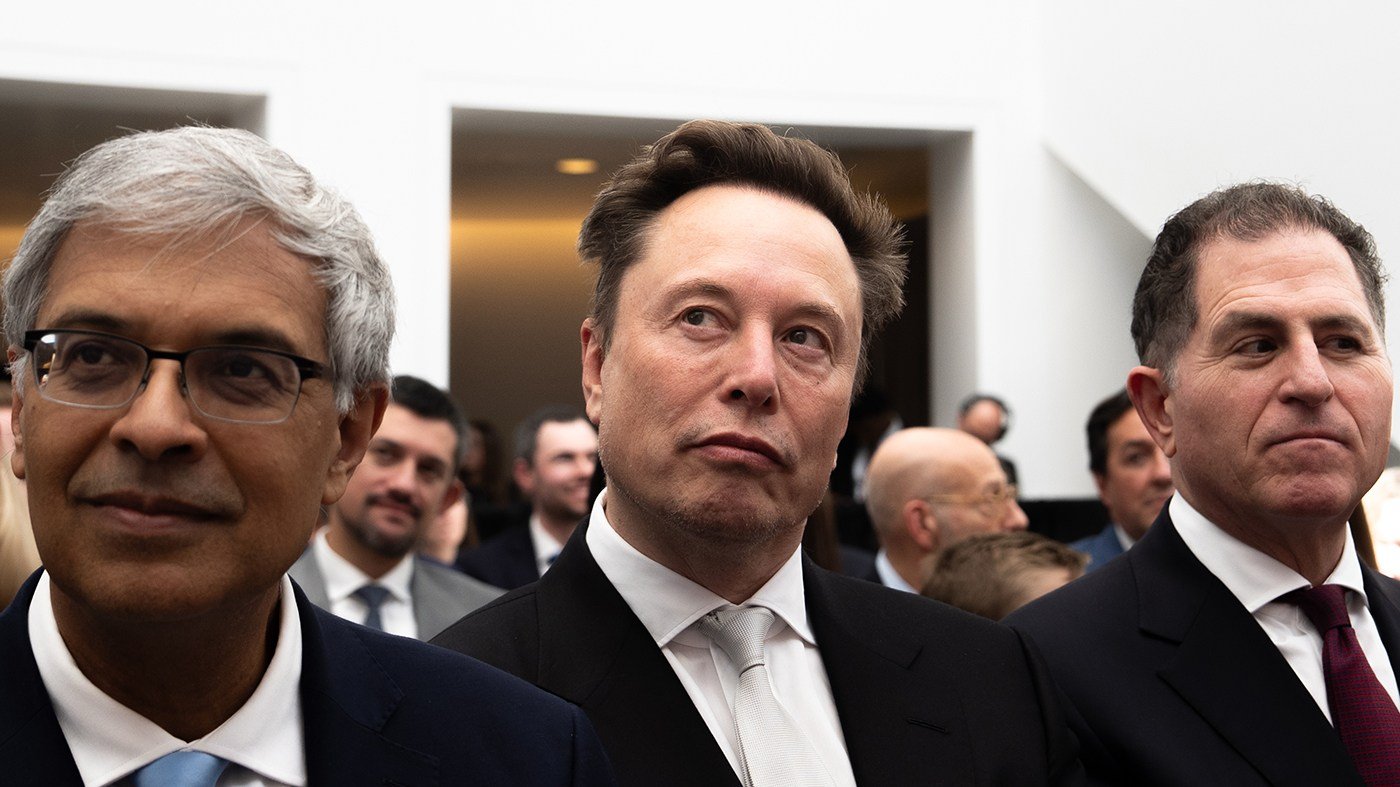
Elon Musk poured unprecedented sums into Republican campaigns this midterm cycle, but his vast fortune proved powerless against a Democratic surge that reshaped the political landscape. Despite spending more than $442 million—eclipsing his 2024 presidential outlays—the GOP suffered sweeping losses, including in Texas, where Democrats captured the governor's mansion, the Senate seat, and multiple statewide offices for the first time in decades.
Musk's political spending, which made him the cycle's top donor by a wide margin, failed to translate into victories even in races he personally targeted. The most striking defeat came in Texas, where he spent at least $168 million backing Republican Senate candidate Ken Paxton. Paxton lost to Democrat James Talarico, and the race became the most expensive nonpresidential contest in history, with nearly $575 million in total spending, according to AdImpact data.
In addition to Paxton, Musk gave $5 million to Governor Greg Abbott's reelection bid, but Abbott fell to Democrat Gina Hinojosa, who campaigned on pausing data center expansion and recently obtained a court order seeking communications between Abbott's office and Musk. The GOP also lost control of the state House, breaking its trifecta, and Democrat Nathan Johnson, who vowed to investigate grants to Musk's Starlink and SpaceX, will replace Paxton as attorney general.
Political strategists say the results underscore the limits of money in politics. "You have to have money to be competitive. No question, but money cannot guarantee outcome," said Cayce Myers, a Virginia Tech professor. Brendan Steinhauser, a Texas-based Republican strategist, added: "He could have spent $0 and probably seen the same result. This was a national wave election of historic proportions."
The wave extended beyond Texas, with Democrats flipping 27 House seats and winning key races in Arizona and Michigan, as noted in coverage of the House wave. The GOP's losses have triggered internal blame, with leadership fights intensifying as Republicans point fingers at Trump and each other. Meanwhile, young men abandoned the GOP in droves, a demographic shift that analysts say fueled the Democratic surge.
Musk's political losses in Texas are particularly significant given his relocation from California to escape left-wing politics and regulation. "For Elon, the math ain't mathing," said Jon Taylor, a political science professor at the University of Texas at San Antonio. "All this to try to keep Texas red, but did he spend it essentially for nothing?" Taylor warned that the state's regulatory environment is about to change, with an attorney general poised to be "aggressive against the Trump administration and against Elon Musk."
Musk himself acknowledged the futility of his efforts, posting on X: "Guess my election-interfering space lasers didn't work this time." In a follow-up, he quipped about "data centers in space looking pretty appealing right now," a nod to SpaceX's orbital data center ambitions.
Beyond Texas, Musk and his companies face new scrutiny in Washington. Senator Chris Coons (D-Del.) has signaled he will investigate Musk's ties to Russian President Vladimir Putin, while Representative James Walkinshaw (D-Va.) demanded answers for the Department of Government Efficiency's sweeping cuts. Democrats are also expected to probe Musk's companies' multibillion-dollar government contracts.
As Democrats take control on Capitol Hill and in Austin, the world's richest man faces a hostile political environment that his money could not prevent. The midterms may mark a turning point for Musk's political influence, which proved far less potent than his wealth suggested.