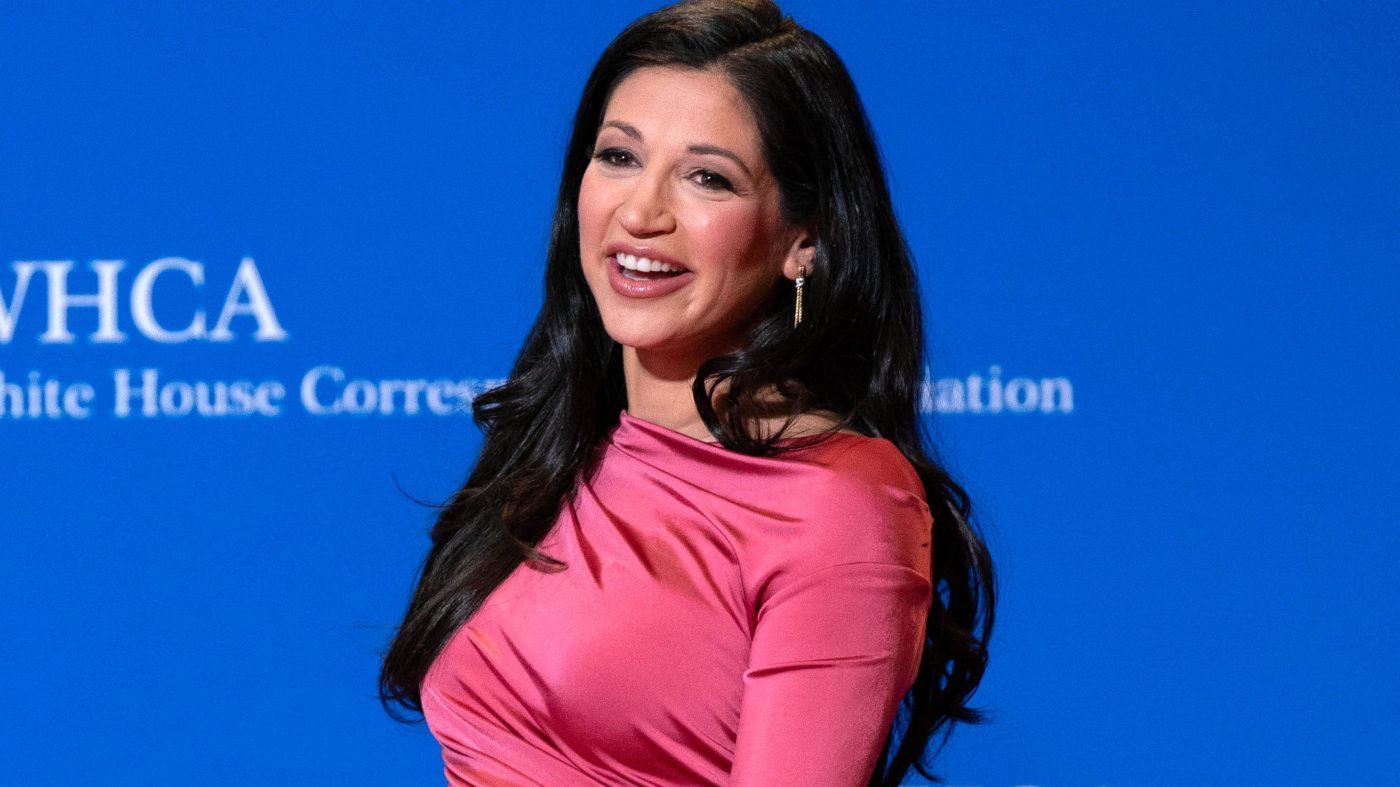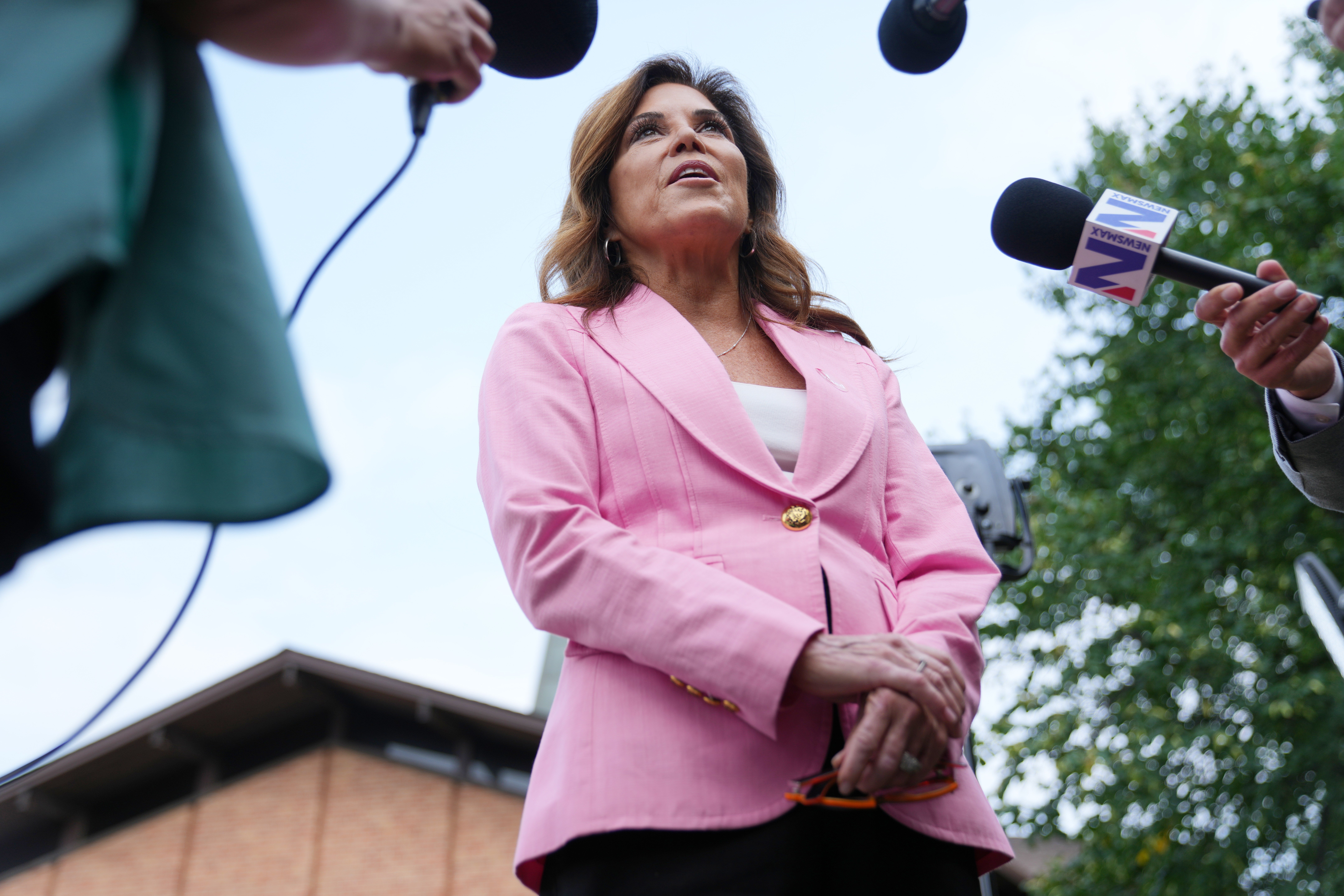
Republicans have made welfare fraud a cornerstone of their midterm messaging, and nowhere is that strategy more evident than in Minnesota, where former sports broadcaster Michele Tafoya is mounting a surprisingly strong challenge to Democratic Lt. Gov. Peggy Flanagan. The race, once considered safely Democratic, has tightened to within the margin of error, raising the possibility of a GOP pickup in a state that hasn't elected a Republican senator since 2002.
Tafoya, a four-time Sports Emmy winner who covered five Super Bowls and 327 NFL games, has never held public office. But she is leveraging her outsider status and a scandal that has rocked the state's Democratic-Farmer-Labor Party. The theft of up to $9 billion in taxpayer funds from state benefit programs—allegedly perpetrated by fraudsters who created fake nonprofits for child care, health programs, and school lunches—has become a central issue. Governor Tim Walz, who declined to seek reelection amid the fallout, has seen his approval rating plummet from +19 to -14, dragging down Democrats like Attorney General Keith Ellison and Sen. Amy Klobuchar.
Flanagan, who has served as Walz's lieutenant since 2019, beat moderate Angie Craig in the August primary. But she carries the baggage of the administration's oversight failures. Tafoya has hammered her on social media, posting: "Peggy Flanagan ignored warning signs while fraudsters stole our tax dollars. She has spent eight years as lieutenant governor in the Walz administration, yet now wants Minnesotans to believe she had nothing to do with its failures."
The scandal has also exposed a broader pattern of lax oversight, with state officials allegedly turning a blind eye to avoid alienating Somali voters. The Democratic trifecta in St. Paul expanded welfare programs, including universal free school meals and paid family leave, even as fraud flourished. Minnesota now ranks 44th in the Tax Foundation's competitiveness index, a point Tafoya emphasizes on the trail.
Education is another flashpoint. Tafoya recently noted that fewer than half of Minnesota's students read or do math at grade level, a claim backed by new state assessment data. State officials blame deportations by the Trump administration, but scores were nearly as poor the year before, undermining that excuse. Tafoya has also criticized the response to the 2020 George Floyd riots, which left two dead and hundreds of businesses destroyed, and has earned endorsements from police groups for her law-and-order stance.
Tafoya's platform includes mandatory minimums for fraudsters, deportation for convicted immigrant fraudsters, and stripping federal funding from states that fail to implement anti-fraud controls. "Americans don't like being cheated," she said at a recent Manhattan event, a sentiment that resonates with voters fed up with high taxes and government mismanagement.
Polls show Tafoya trailing Flanagan by less than 2 points, a statistical tie. The race could determine Senate control, and national Republicans are taking notice. As one local news outlet put it, the contest has been "quiet," but that may change as outside money pours in.
With Minnesota's history of political surprises—from Jesse Ventura to Al Franken—the possibility of a Tafoya upset cannot be dismissed. Her campaign is tapping into a vein of voter anger that could deliver a November shock.