Americans head to the polls Tuesday to elect officials at every level of government, but the marquee battles are for Congress. The results will determine whether Republicans retain unified control, Democrats sweep both chambers, or the federal government remains divided—likely with a Democratic House and a Republican Senate.
Yet the deeper question is whether the next Congress can actually address the issues that voters rank as most urgent. According to Bloomberg, affordability—encompassing the broader economy and the soaring cost of living—and corruption, intensified by widening inequality, are the top concerns. Prices for everything from airline tickets to healthcare to allergy medication have climbed sharply, fueling widespread economic unease.

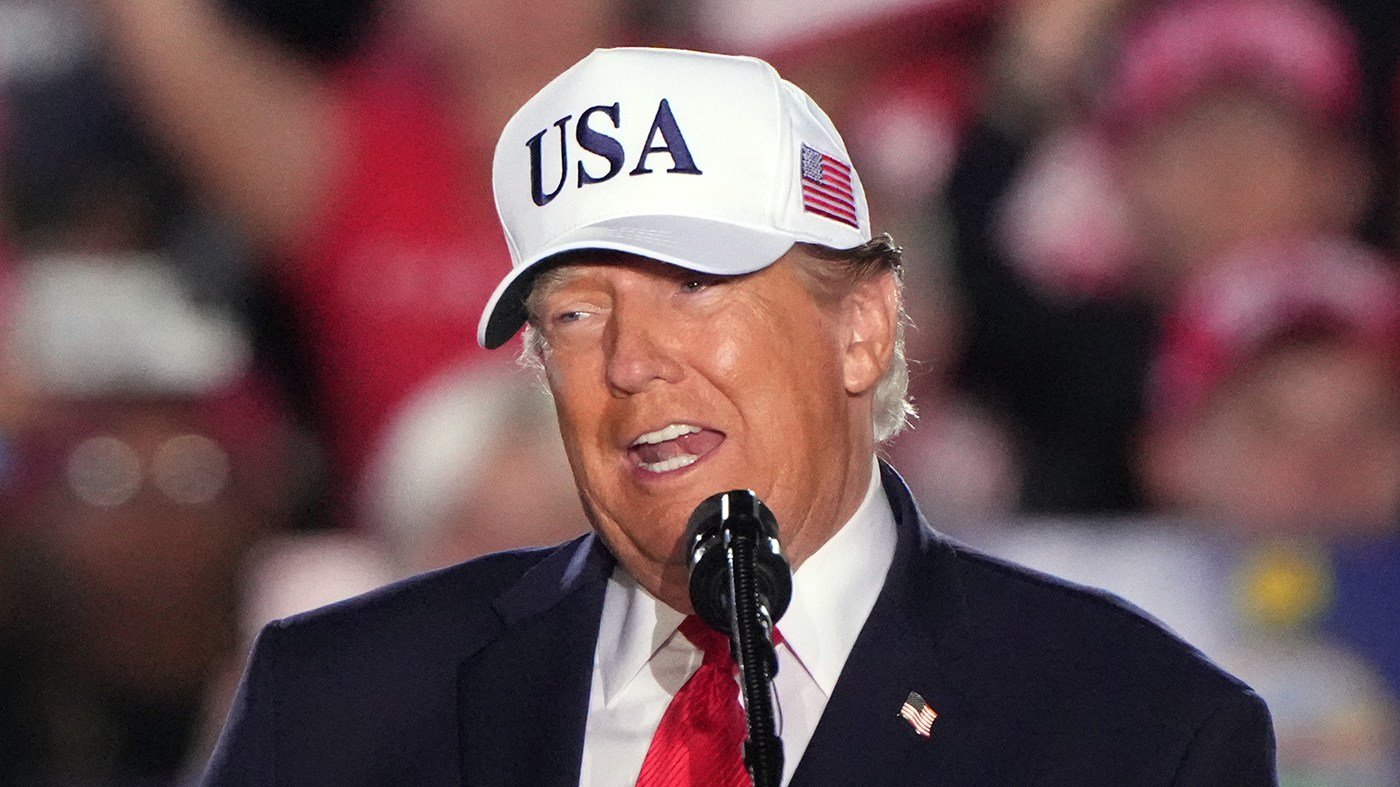
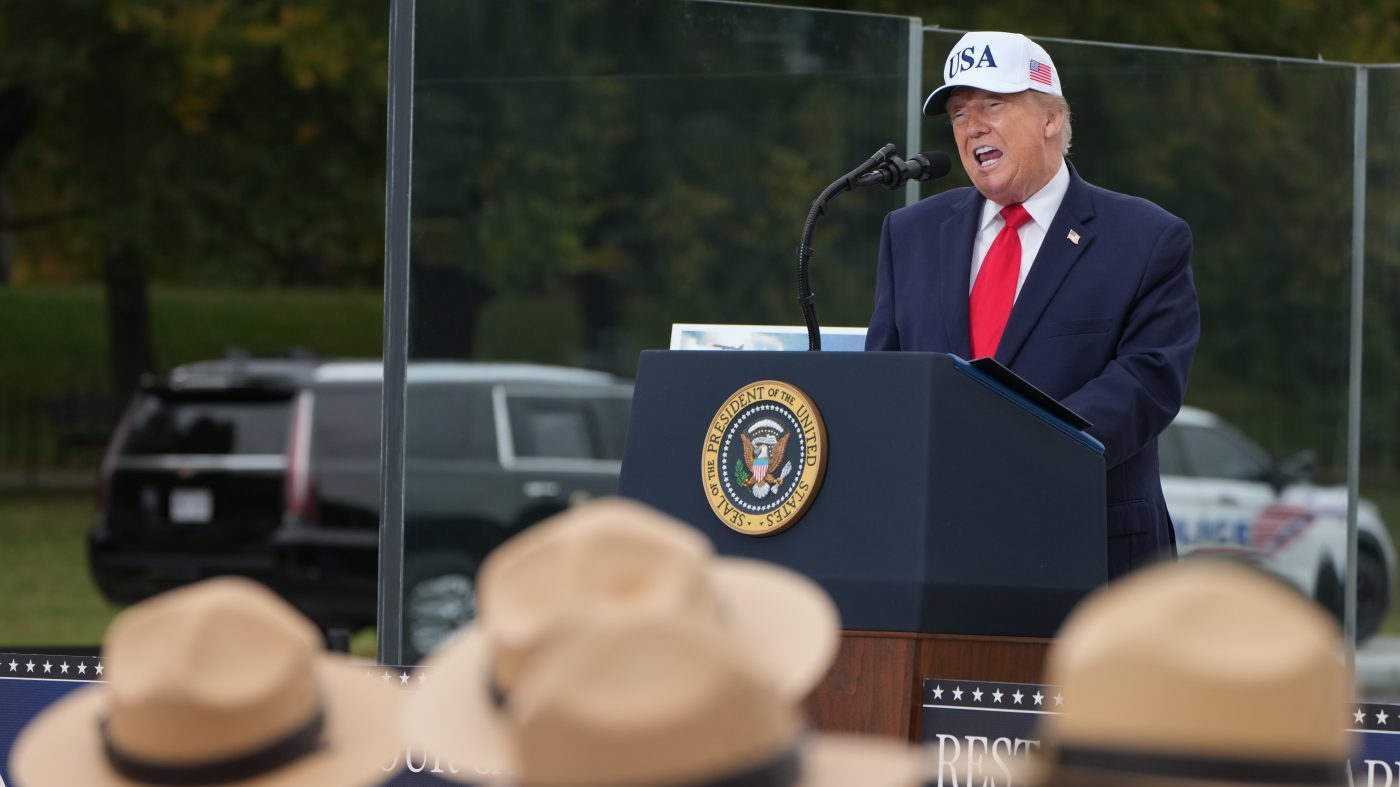
Despite the heated rhetoric and often coarse campaign language, neither party has laid out a concrete plan to tackle these problems. And that reality leaves the biggest winner of Tuesday's voting off the ballot entirely: President Trump. As his disapproval ratings reach new highs, his political position remains formidable.
If Republicans hold both chambers, Congress is likely to remain a compliant partner, reluctant to challenge a lame-duck president who will almost certainly influence the party's next nominee. If Democrats take the House—or both chambers—Trump will likely respond with even more aggressive use of executive orders, as Democratic majorities could try to curb his powers. When courts intervene, he has shown a willingness to find new legal justifications for similar actions.
A Democratic House might launch investigations, but a third impeachment is improbable unless Democrats also control the Senate and can muster a two-thirds majority for conviction. More likely, they would target senior administration officials, particularly the Defense secretary, as a way to probe executive actions. But even a flurry of hearings would not necessarily produce solutions to voters' core concerns.
Take affordability. High energy and fertilizer costs are tied directly to the ongoing war with Iran and the disruption of Persian Gulf oil and nitrate supplies. Only the president can end that conflict—unless Congress invokes the War Powers Act, which would require veto-proof majorities. Even then, Trump could shift funds as he has done before, making legislative remedies difficult. The Iran situation remains volatile, with the Strait of Hormuz central to global supply chains.
On corruption, meaningful ethics reform appears nearly impossible. Trump can claim his assets are in a blind trust, and his adult children's private business dealings are beyond congressional reach. On income inequality and money in politics, the Supreme Court's Citizens United decision treats campaign spending as protected speech. That has allowed figures like Elon Musk to pour nearly half a billion dollars into congressional races—a trivial sum for a trillionaire—making him arguably the second most powerful man in America. Musk's control over Starlink and Starshield also gives him unique leverage over the Russia-Ukraine war, as he could cut Kyiv's access to those systems.
Democrats and many independents argue that Trump's policies—tariffs, immigration enforcement, tax cuts for the wealthy, and needless wars—have damaged the country in under two years. But without legislation that can survive a veto, they may be forced to wait until 2028. The question is whether the nation can afford that delay.
Harlan Ullman, chairman of a private company and principal author of the shock-and-awe doctrine, co-wrote with Lord David Richards the forthcoming book "Who Thinks Best Wins: How Decisive Strategic Thinking Will Prevent Global Chaos."