The 2026 midterm elections delivered a jolt to a political system many feared had flatlined. Voters across the country used their ballots to push back against the chaos and cruelty that have defined the second Trump administration, signaling that they still expect to have a say in how the nation is run.
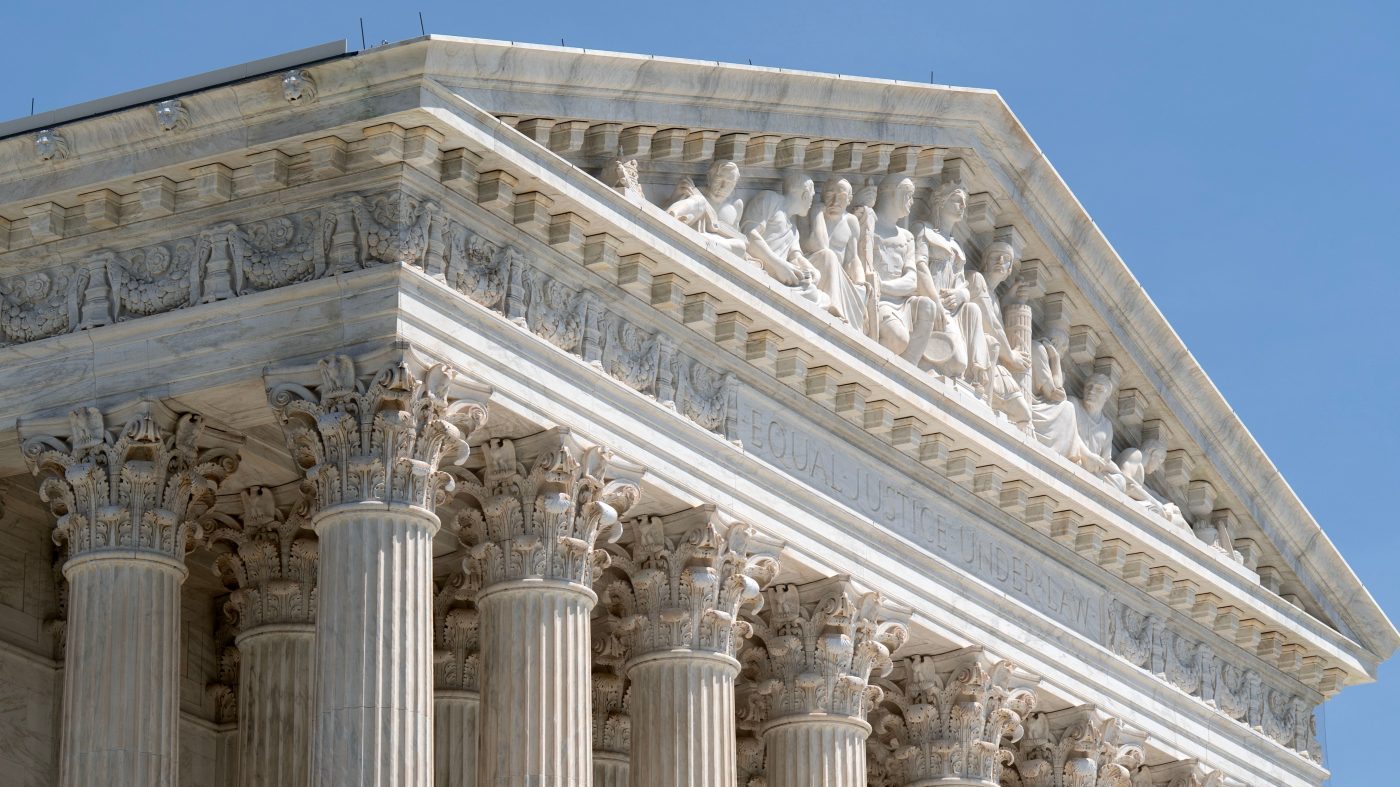
But there is one institution the midterms could not touch: the Supreme Court. The justices, appointed for life and confirmed by the Senate, are insulated from the very democratic currents that swept through Congress. As the court has itself noted, the Founders deliberately chose a different path for the judiciary—one that would shield judges from political retaliation. Alexander Hamilton called it the "least dangerous" branch, but its power to strike down laws and reshape constitutional meaning is anything but benign.
The 2022 decision in Dobbs v. Jackson Women's Health Organization was a stark reminder of that power. When the court stripped away the federal right to abortion, it did so with a nod to the ballot box. Justice Brett Kavanaugh wrote that the issue would now be "resolved by the people and their representatives in the democratic process." But for other divisive questions, the court has shown no such deference.
Take the Second Amendment. For nearly seven decades, from 1939 to 2008, the court read it as tied to militia service, leaving gun policy to legislatures and voters. That changed with District of Columbia v. Heller, when a 5-4 majority invented an individual right to own firearms for self-defense—a right that now binds every lawmaker and citizen, no matter how strong the public safety case for restrictions.
The result: an issue that once belonged to the people was handed to unelected judges. The federal assault weapons ban, which lapsed in 2004, could have been renewed by Congress if voters demanded it. Instead, the court's new reading made such laws constitutionally suspect.
On December 2, the justices will hear arguments in a case that could extend that logic to AR-15s and other semiautomatic rifles. If the conservative majority decides these weapons are protected, no amount of mass shootings or public outcry will allow states or cities to ban them. The people will be powerless to choose safety over firearms.
This is not about which interpretation of the Second Amendment is correct. It is about who gets to decide. The court's willingness to constitutionalize policy questions—whether on guns, abortion, or academic freedom—undermines the very idea of representative democracy.
Congress could act. It has the power to alter the court's jurisdiction or even its size. But that would require political will that has been sorely lacking. Meanwhile, reform efforts have hit a wall, and the court continues to assert its supremacy.
As the justices prepare to rule on the future of gun policy, the question for Americans is stark: Will we let nine robed figures dictate the terms of our safety, or will we demand that Congress reassert its authority? The midterms proved that voters still have a voice. The question is whether the courts will listen.