The Michigan Democratic Party has nominated attorney Amir Makled as its candidate for a seat on the University of Michigan's Board of Regents, a statewide elected position that governs the prestigious public university. Makled defeated incumbent Democrat Jordan Acker in the party's selection process, shifting the ideological balance of the candidate slate. The move has ignited immediate controversy due to Makled's documented social media activity involving antisemitic rhetoric and apparent support for designated terrorist organizations.
Content Sparks Bipartisan Condemnation
Criticism centers on now-deleted posts from Makled's account that amplified virulently antisemitic material. He retweeted a post by commentator Candace Owens that described Jewish people using slurs and dehumanizing language. In another instance, he shared content mourning the death of Hassan Nasrallah, the former leader of Hezbollah—a group designated as a terrorist organization by the United States—and referred to him as a martyr. These actions have drawn condemnation from within his own party.
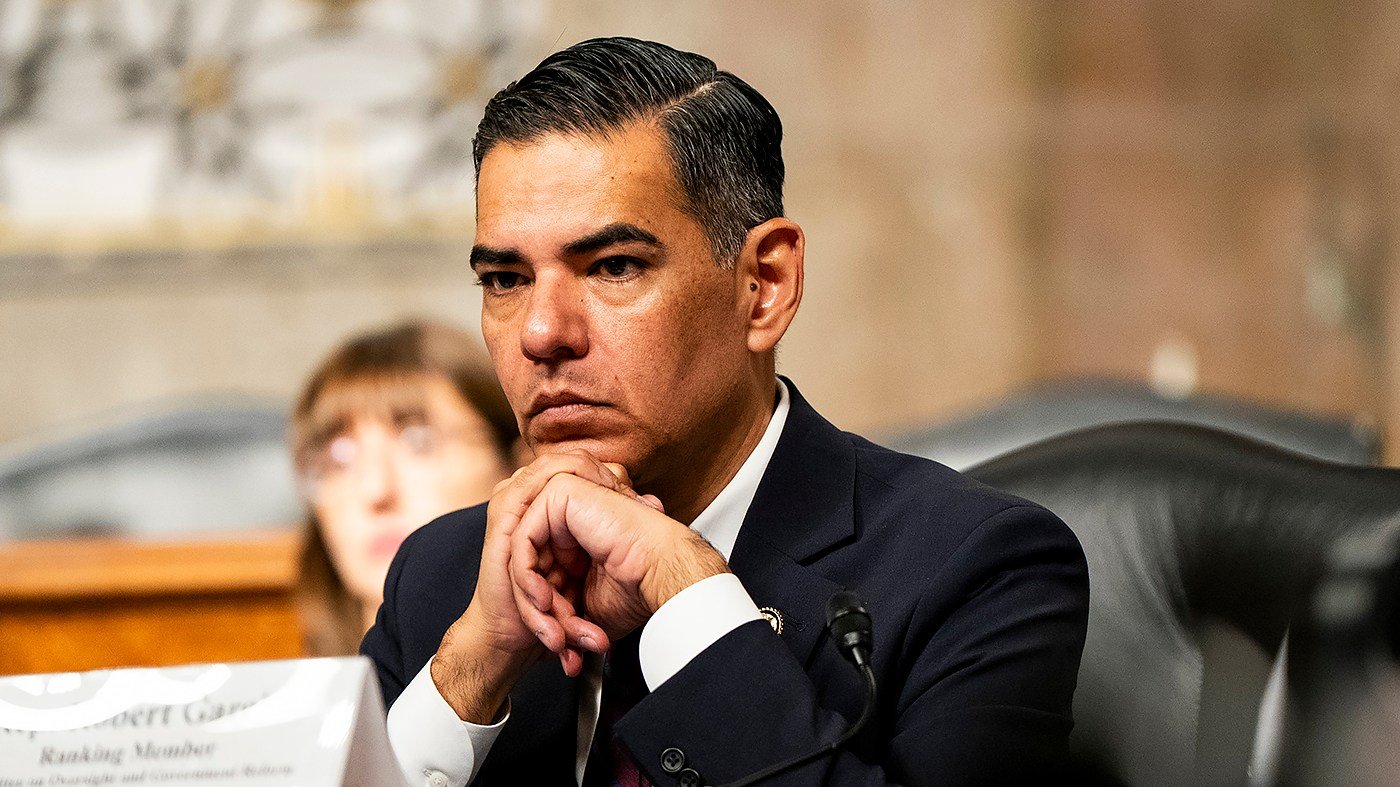
Brandon Dillon, the former chair of the Michigan Democratic Party, publicly stated that Makled is "unacceptable" as a candidate. In a column for The Detroit News, Dillon detailed that Makled also shared an antisemitic meme using a slur coined by ISIS and amplified calls to ban Jewish people from serving in Congress. "These are not isolated missteps or comments taken out of context," Dillon wrote. "They reflect a broader pattern of poor judgment that should raise serious concerns about his fitness for public office."
Political Context and Campus Dynamics
The nomination occurs against a backdrop of intense political debate over the Israeli-Palestinian conflict on college campuses, including at the University of Michigan. Acker, the ousted incumbent, is Jewish and had been subjected to antisemitic harassment; he was perceived by some progressive activists as too moderate and too supportive of Israel. Makled's selection is widely viewed as an attempt by party leadership to appeal to these activist factions ahead of a critical election cycle where Michigan's electoral integrity is already under a national microscope.
The controversy extends beyond foreign policy. Makled campaigned alongside former gubernatorial candidate Abdul El-Sayed, advocating for the restoration of Diversity, Equity, and Inclusion (DEI) programs—a policy stance shared by many Democrats. However, critics argue his extreme positions on other issues create an untenable contradiction for a party grappling with its coalition. Commentator Jesse Arn of the Manhattan Institute warned on social media that the nomination should serve as "a wake-up call for self-respecting Jewish Democrats" about the direction of the party.
The University of Michigan Board of Regents currently holds a 6-2 Democratic majority. A regent position carries significant influence over university policy, budget, and leadership. Makled's candidacy now forces state Democrats to defend a nominee whose past statements place him at odds with the party's traditional stance against antisemitism and support for Israel's right to exist. This internal conflict mirrors wider national tensions, similar to those seen when party divisions erupt over executive authority and national security.
As the November election approaches, the Makled nomination threatens to become a focal point in Michigan's political battles. It tests the limits of partisan loyalty against foundational principles and could influence broader perceptions of the Democratic Party's ideological boundaries. The situation underscores how local governance elections, often overlooked, can erupt into national controversies that define a political moment.