In a stark reversal of the classic tale of Eliot Ness’s “untouchables,” Mexico’s current government is shielding a group of politicians accused of deep ties to drug cartels. Ten current and former Mexican officials, indicted by the U.S. Attorney’s Office for the Southern District of New York and the DEA, face allegations of conspiring with the Sinaloa Cartel to funnel massive drug shipments into the United States in exchange for political backing and bribes. Yet, instead of cooperating, Mexico’s administration has erected a wall of institutional protection, refusing extradition and challenging the U.S. legal process.
Indictments and Institutional Protection
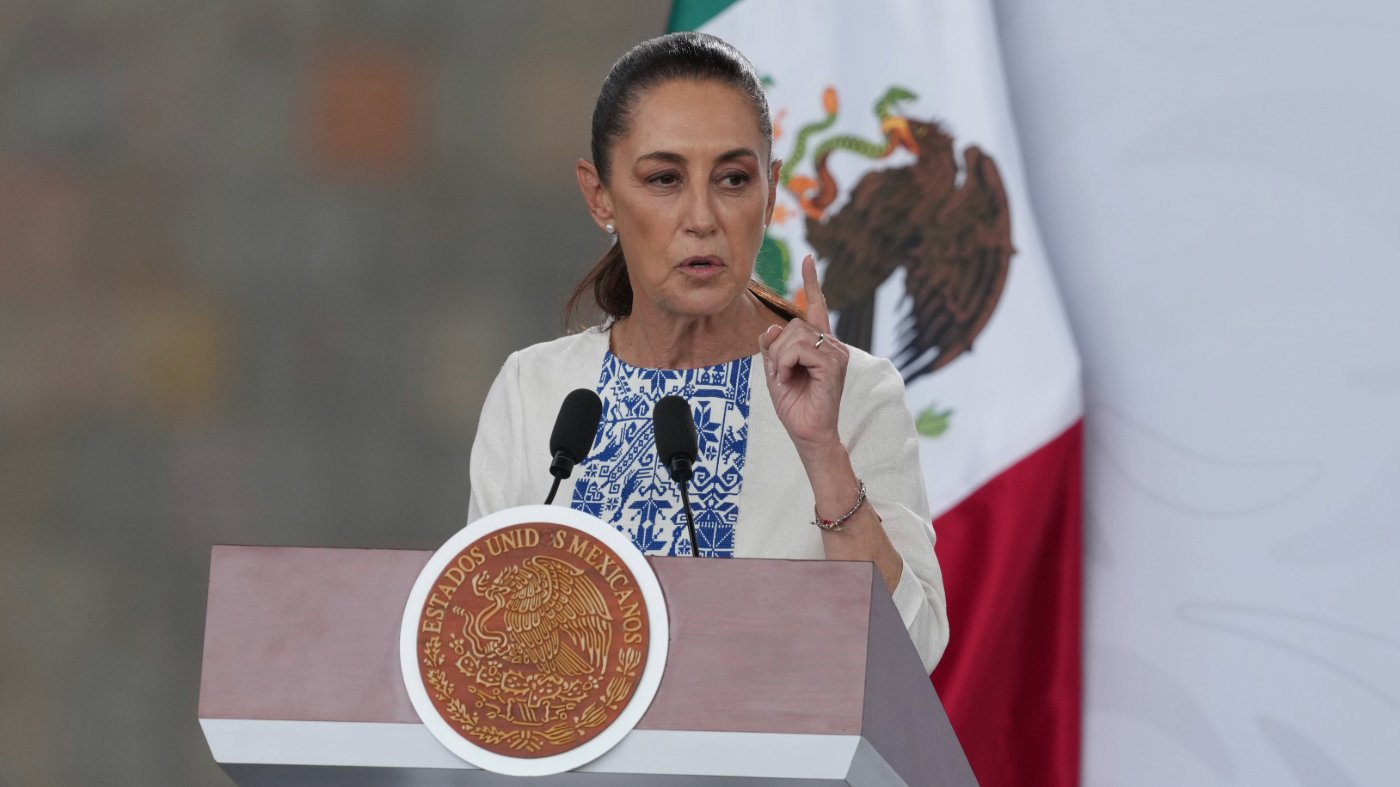
The list includes Senator Enrique Inzunza, Culiacan Mayor Juan de Dios Gamez, and former Sinaloa Governor Ruben Rocha, among seven others. These individuals, the U.S. alleges, traded political influence for cartel cash and protection. But President Claudia Sheinbaum’s government has effectively made them untouchable—not through incorruptibility, but by denying the U.S. requests for their surrender. Sheinbaum has repeatedly claimed there is insufficient evidence to justify arrest and extradition, a stance she has maintained for over a month in the Rocha Moya case.
Sovereignty as a Shield
When the evidence argument weakened, Mexico pivoted to emotional appeals, framing cooperation as a violation of national sovereignty. “We are no longer talking about cooperation; we are talking about interference,” Sheinbaum declared. “And Mexico, let it be heard clearly and loudly: we do not accept interference! We are a free, independent, and sovereign country.” This rhetoric has been paired with legalistic defenses, citing Mexico’s constitution and laws, while the Attorney General’s Office has even announced investigations into 50 individuals who participated in an anti-drug operation with U.S. agents in Chihuahua.
Political Excuses and Blackmail
The government further justifies its non-cooperation by alleging that the U.S. drug war is a campaign tool for right-wing groups ahead of the midterm elections. It has also resorted to a form of blackmail: conditioning the extradition of the ten—now eight, after two surrendered voluntarily—on the U.S. extraditing 269 individuals Mexico has requested. Other excuses include fears of territorial annexation, historical references to Porfirio Díaz, and calls for national unity against an “invader.”
U.S. Response and Evidence
DEA Administrator Terrance Cole has labeled the indictment as the beginning of a new phase in the fight against cartels, noting that top Mexican officials and traffickers “have been in the same bed for years.” In a recent hearing for former Sinaloa Security Secretary Gerardo Merida, Judge Katherine Polk stated that the Department of Justice has abundant evidence—contradicting Sheinbaum’s claim of insufficient proof. U.S. Ambassador to Mexico Ronald Johnson urged cooperation, saying fighting cartels “should unite us, not divide us,” and warned that turning security into a political dispute misses opportunities to protect citizens.
Stakes for Bilateral Relations
The standoff risks damaging Mexico’s relationship with its main trading partner. As the U.S. considers unilateral action to combat cartels, the Sheinbaum administration’s protection of these untouchables could open the door for Washington to do what Mexico has declined: fight the cartels head-on, without complacency. The original story of the untouchables ended with Capone’s downfall; this modern version may lead to a less happy conclusion, with Mexico’s sovereignty and security both at stake.