As the unofficial start of summer approaches, millions of Americans are gearing up for Memorial Day road trips—but they may want to rethink their departure plans. AAA projects that 39.1 million people, representing 87% of all holiday travelers, will drive to their destinations this year, marking a modest increase over 2024 figures.
“Memorial Day marks the unofficial start of summer, and for most Americans, it’s a three-day weekend,” said Stacey Barber, vice president of AAA Travel, in a statement. “Travel demand remains strong, and despite higher fuel prices, many people are prioritizing leisure travel during holiday breaks.”

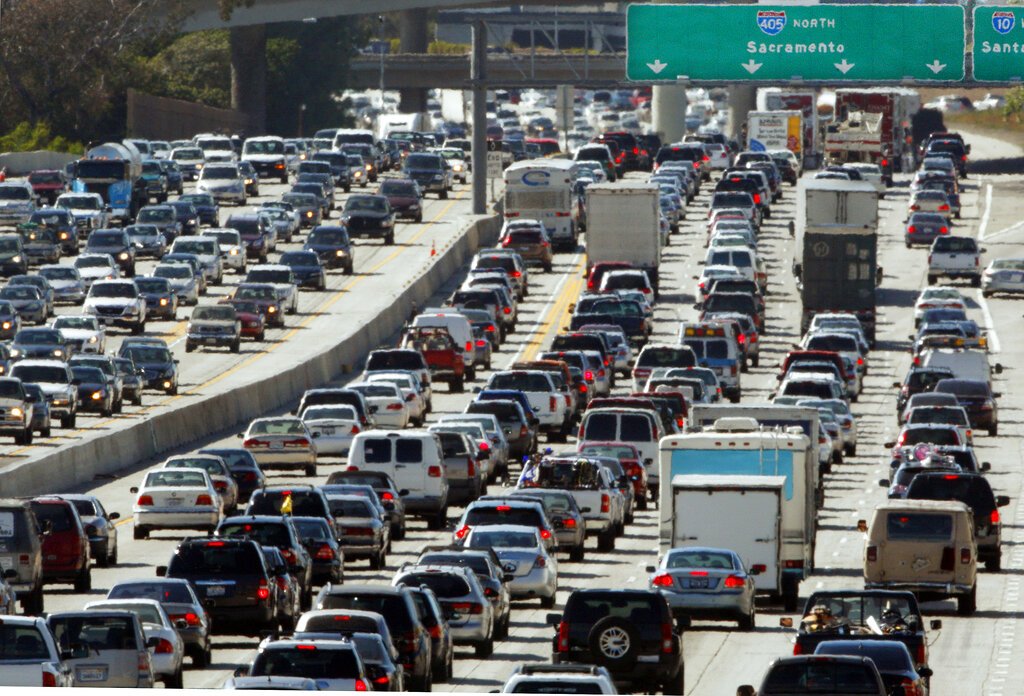
With so many vehicles on the road, congestion is almost certain. Transportation analytics firm INRIX has identified the worst corridors and peak travel windows. According to INRIX, the heaviest traffic is expected on Thursday and Friday afternoons, particularly between 2 p.m. and 6 p.m. local time. Drivers heading out on Saturday morning may also encounter delays, though the worst of the gridlock tends to ease by Sunday.
The most congested highways include major arteries like I-95 in the Northeast, I-405 in Los Angeles, I-75 in Atlanta, and I-10 in Houston. In the Washington, D.C., area, the Capital Beltway and I-270 are expected to see significant backups. Travelers in the Chicago region should brace for delays on I-90 and I-94.
For those seeking alternatives, AAA recommends departing early in the morning—before 6 a.m.—or after 9 p.m. to avoid the worst of the traffic. Holiday travelers should also consider using real-time navigation apps and checking for construction zones that could add to delays.
This year’s Memorial Day falls on May 25, the earliest possible date, which may shift some travel patterns. The early calendar date could affect how families plan their long weekend, potentially spreading out departures more evenly than in years when the holiday lands later in May.
Fuel prices remain a factor. While gasoline costs have eased slightly from recent highs, they are still elevated compared to pre-pandemic levels. AAA data shows the national average for a gallon of regular unleaded is hovering around $3.60, up from $3.50 a year ago. That hasn’t dampened enthusiasm, however: the projected 39.1 million drivers is the second-highest on record for Memorial Day.
In a separate development, President Trump has ordered flags to be flown at half-staff for Peace Officers Memorial Day, a protocol that could affect some official ceremonies over the holiday weekend.
For the millions of Americans heading out, the key takeaway is clear: plan ahead, avoid peak hours, and steer clear of the most clogged highways. As Barber noted, “A little planning can go a long way toward making your Memorial Day weekend enjoyable rather than a test of patience.”