This year, Memorial Day arrives as early as it possibly can: May 25. The federal holiday, which honors the nation's fallen service members and unofficially kicks off summer, falls on the earliest permissible date under the Uniform Holiday Bill of 1968.
Congress passed that legislation to create consistent three-day weekends, shifting the observance from May 30 to the last Monday of the month. That change means the date varies annually, ranging from May 25 to May 31.
The last time Memorial Day landed on May 25 was in 2020. After this year, the next occurrence won't come until 2037, making the early timing a rare treat for those planning getaways. AAA predicts record travel volumes for future Memorial Day weekends, though this year's early date may still see strong demand.
The holiday's roots trace back to the Civil War era. In 1866, Waterloo, New York, held a citywide "Decoration Day," where residents placed flowers on soldiers' graves. Two years later, Maj. Gen. John A. Logan of the Grand Army of the Republic declared the first national Decoration Day, choosing May 30 when flowers would be in bloom.
Originally focused on Union war dead, the day expanded after World War I to honor all Americans killed in military service. Congress formally designated Memorial Day as a national holiday in 1968, moving it to the last Monday in May.
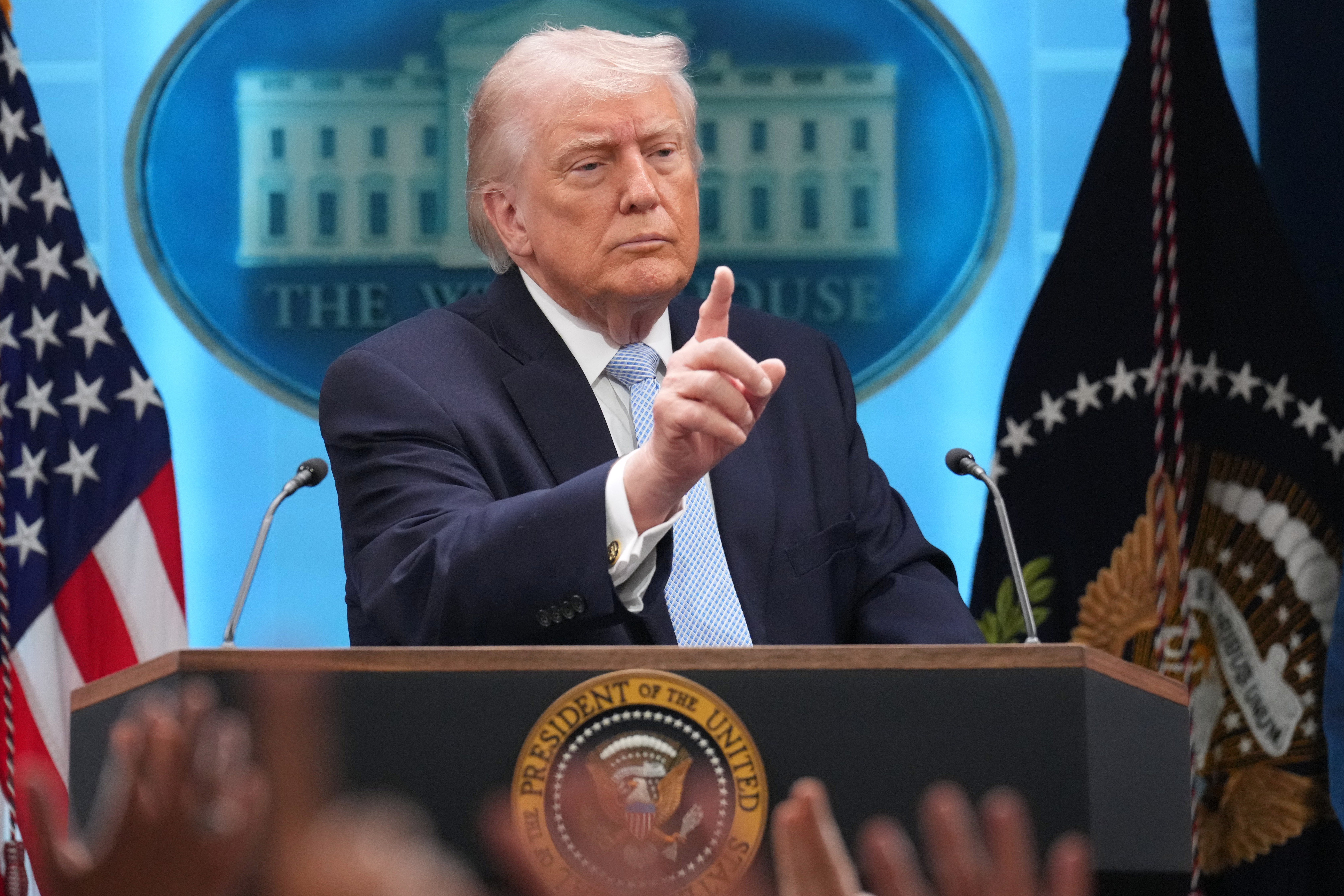
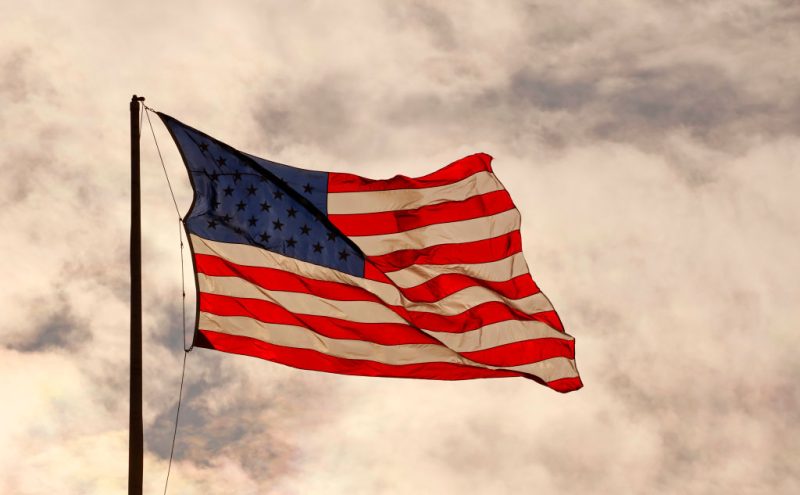
The early date this year also coincides with other observances. President Trump has ordered flags at half-staff for Peace Officers Memorial Day, which falls on May 15, just days before Memorial Day. The proper protocol for flag display during this period has drawn attention from veterans' groups.
Meanwhile, the Lincoln Memorial remains a focal point of political controversy. Representative Joe Neguse clashed with Interior Secretary Doug Burgum over a no-bid $13 million contract for the Lincoln Memorial Reflecting Pool, highlighting ongoing debates about federal spending and monument maintenance.
For those marking the holiday, the early weekend offers a chance to reflect on the day's original purpose. Unlike Veterans Day, which honors all who served, Memorial Day specifically remembers those who died in service to the country.