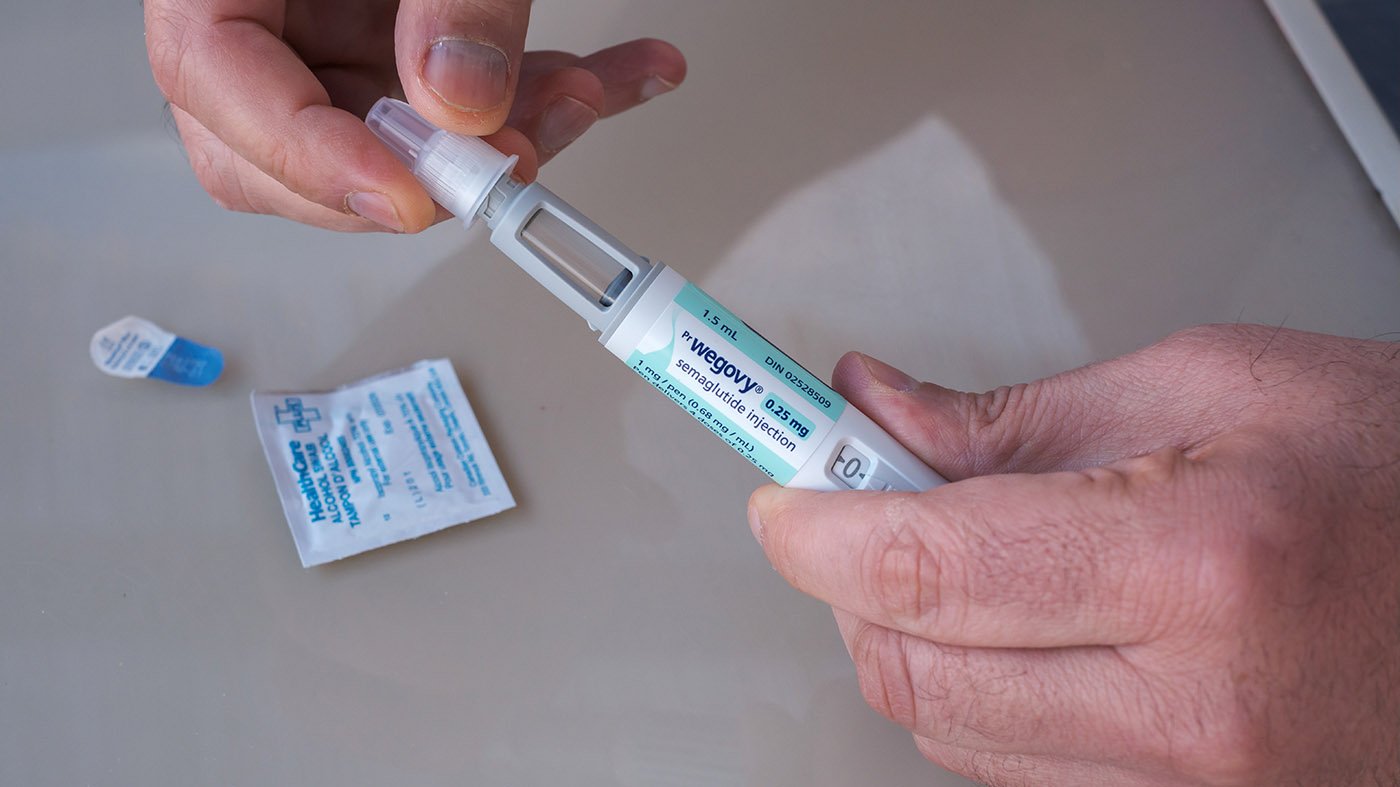
Starting July 1, a subset of Medicare beneficiaries will gain access to GLP-1 medications under a new flat-fee program, but with less than two weeks to go, significant operational and financial questions remain unresolved.
The Medicare GLP-1 Bridge, which the Centers for Medicare and Medicaid Services (CMS) calls a “time-limited demonstration,” will run from July 1, 2026, through December 31, 2027. Announced in December, the initiative caps monthly copays at $50 for eligible Part D enrollees seeking weight-loss medications, even though federal law generally bars Medicare from covering anti-obesity drugs.

The program primarily targets beneficiaries without a medically coverable indication for GLP-1s through standard Part D—meaning those who don’t have diabetes, obstructive sleep apnea, or MASH fatty liver disease. To qualify, a physician must submit a prior authorization form attesting that the patient does not have those conditions.
Obesity advocacy groups have cheered the move. Cristy Gallagher, coordinator of the Obesity Care Advocacy Network (OCAN), called it a “historic milestone in the fight against the obesity epidemic.” But regulatory observers and journalists have flagged gaps in transparency. Bob Herman of Stat News reported this month that CMS has not answered inquiries about the program’s total cost. The Hill also sought comment from the Department of Health and Human Services but received no response.
The program covers Wegovy, Zepbound, and Foundayo. If a patient switches medications mid-program, a new prior authorization is required. CMS will not process prospective prior authorizations; if a patient’s first GLP-1 prescription is submitted through the Bridge, the claim will be rejected until the provider completes the attestation form.
Eligibility extends to beneficiaries enrolled in standalone prescription drug plans, Medicare Advantage coordinated care plans, Special Needs Plans, employer/union group waiver plans, and the Limited Income Newly Eligible Transition program. Tricare for Life beneficiaries can also participate if they are enrolled in an eligible Part D plan. Dual Medicare-Medicaid enrollees are covered too.
During a recent webinar hosted by obesity groups, Kelly Strachan, a CMS health insurance specialist and Innovation Center fellow, said the Bridge “seeks to test whether providing access to GLP-1 products at a uniform CMS negotiated net price will help improve beneficiary outcomes and reduce long-term Medicare spending.” The $50 monthly copay does not count toward a patient’s deductible or out-of-pocket maximum.
When asked about the program's end in 2027, Aurelia Chaudhury, co-lead of CMS’s Cell and Gene Therapy Access Model, said, “We understand there’s a lot of interest from patients in understanding what’s going to happen after December 31st of 2027. We are looking forward to sharing more information as soon as we can on Medicaid.”
The program’s launch comes amid broader debates over drug pricing and Medicare negotiations. In a related development, pharmaceutical companies have recently lost a Supreme Court bid and are now lobbying Congress to undermine Medicare’s drug price negotiation authority. Meanwhile, former President Trump has expanded his drug price platform, adding 160 new medications and touting tariff strategies, signaling that the politics of prescription costs remain a flashpoint.
Obesity medicine physician Catherine Varney, a trustee at the Obesity Medicine Association, described the ideal patient as those “at greatest risk of obesity and obesity-related diseases,” noting that obesity is linked to over 200 chronic conditions and 13 types of cancer. Qualification will depend on body mass index (BMI), with a minimum threshold required.