The credibility crisis facing American journalism is compounded by a persistent ideological monoculture within the industry. When a small but influential group shares the same schools, social circles, and political affiliations, it breeds a narrow worldview that loses touch with the public it serves. This insularity is increasingly evident in the sympathetic portrayals of individuals whose actions undermine democratic and legal norms.
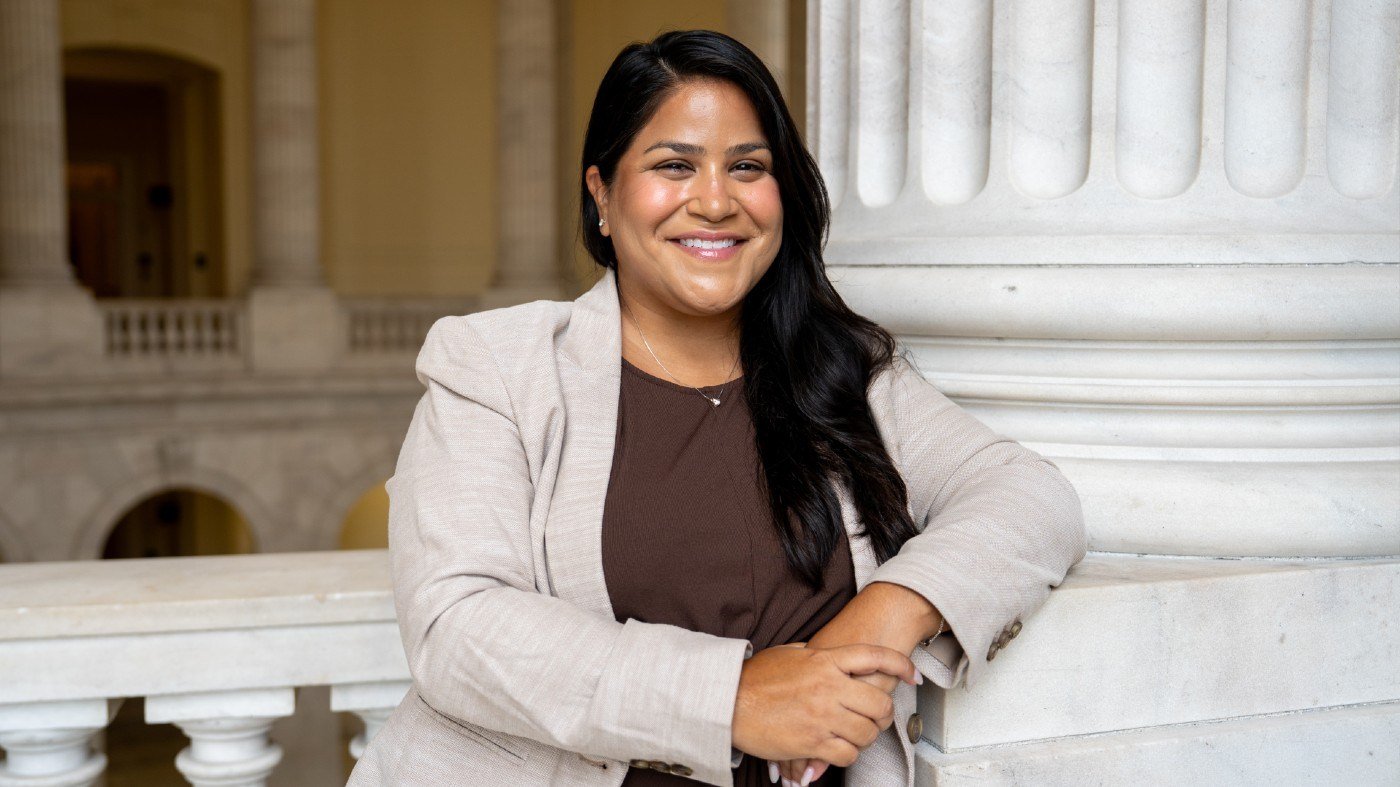
Consider The New Yorker's recent profile of Daysi Gonzalez, a noncitizen who has built a lucrative career as a Democratic political consultant. Gonzalez entered the U.S. on a tourist visa from El Salvador and stayed under temporary protected status, which expired last week. The magazine frames her potential deportation as a tragedy, highlighting her work with Solidarity Strategies and her $180,000-plus contract with the Democratic Congressional Campaign Committee. Yet the profile inadvertently raises a troubling question: why should readers sympathize with a foreign national paid handsomely to influence American elections?
Gonzalez's case is not isolated. The New York Times published a feature lamenting that artificial intelligence has undercut Kenyan essay writers who help American students cheat. The piece profiles Teresios Bundi, who rationalized his role in academic fraud as a form of tutoring. The Times treats the decline of this illicit industry as a labor market tragedy, ignoring the ethical implications of facilitating cheating.
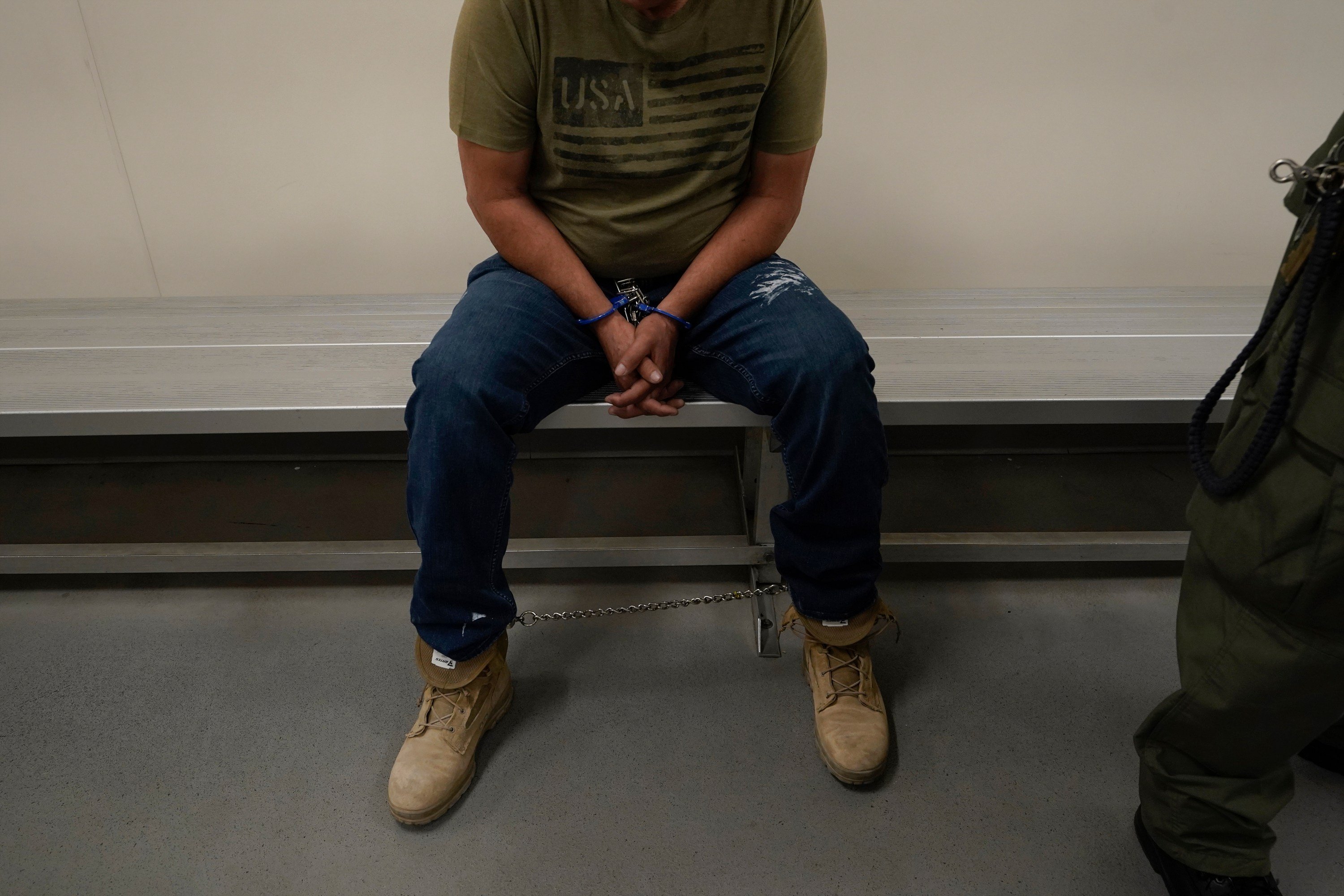
Even more egregious was the Times' story on Romeo Perez-Bravo, a thrice-deported Guatemalan immigrant with convictions for domestic violence and forgery. Perez stole an American's identity, ruining his credit and causing him to be sued for wrongful death after a fatal accident. The Times headline—"Two Men. One Identity. They Both Paid the Price."—sought to humanize both parties, but critics see it as another example of media sympathizing with criminals over their victims.
The New Yorker has also faced backlash for profiling Orville Etoria, a Jamaican national convicted of armed robbery and murder, who described his ICE deportation flight as reminiscent of slavery. Etoria spent 25 years in prison for murder, yet the magazine's sympathetic framing ignored the severity of his crimes.
These portrayals are not isolated lapses but symptoms of a broader problem: a media ecosystem that prioritizes narrative over accountability. As outlets continue to highlight the plight of those who flout the law, they risk alienating readers who see these figures as threats, not victims. The result is a deepening distrust in journalism, already strained by America's political rift.
This trend extends beyond immigration and election integrity. Recent coverage of selective outrage in media and accusations of media bias reflect a growing perception that journalists are out of touch. Whether it's praising political operatives or downplaying criminal histories, the media's instinct to humanize can backfire, reinforcing the ideological monoculture that undermines its credibility.
If journalism hopes to regain public trust, it must reassess who it chooses to champion. Sympathy should be reserved for the vulnerable and the wronged—not for those who exploit systems for personal gain. Until then, the media will continue to face criticism for its handling of controversial figures and for failing to reflect the values of the audiences it serves.