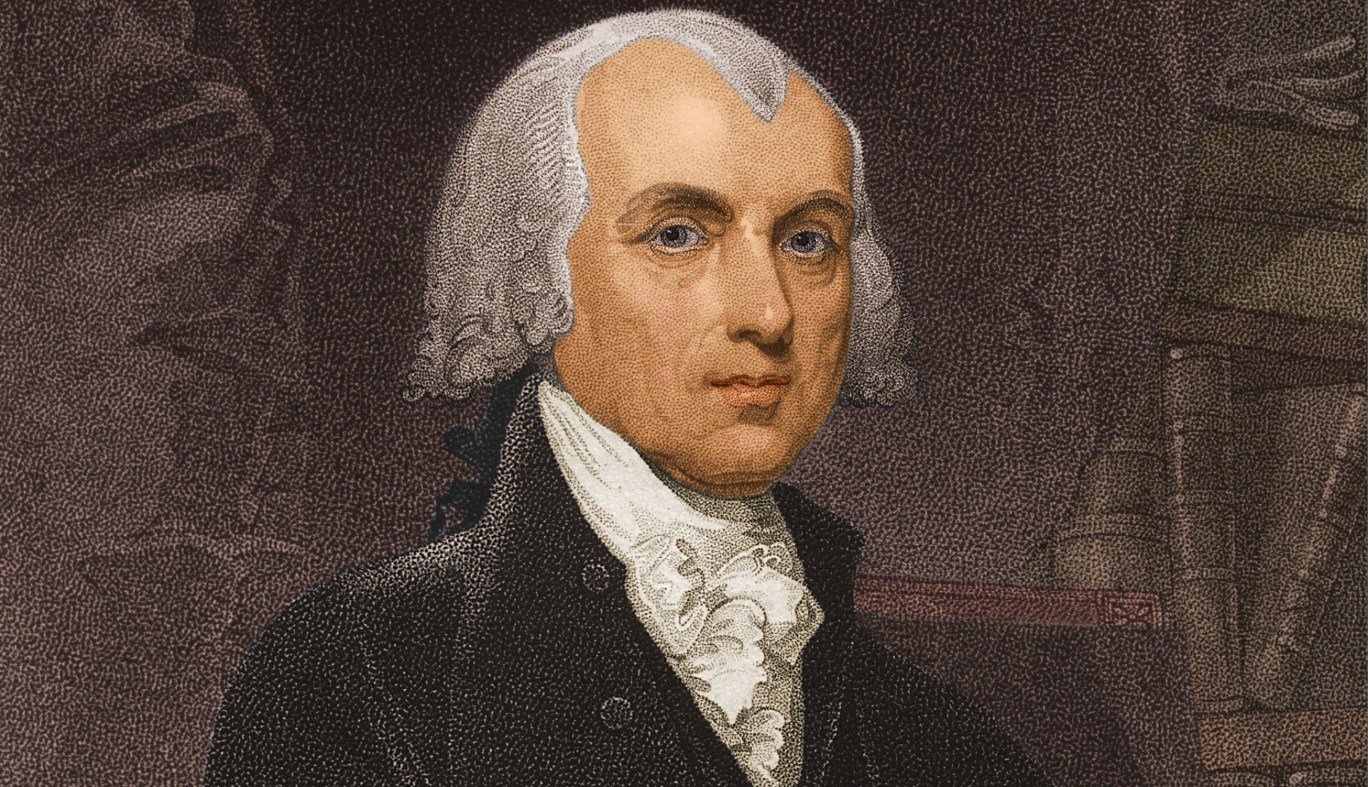
Over the course of his two presidencies, Donald Trump has subjected the U.S. Constitution to a stress test that would have seemed unthinkable a decade ago. But as it turns out, James Madison—the Constitution's principal architect—had already anticipated such challenges, and the safeguards he built are proving surprisingly resilient.
Consider the Fifth Amendment's grand jury requirement. For decades, it seemed like a rubber stamp: federal prosecutors secured indictments in nearly every case, with only a handful of failures out of over 150,000 attempts in 2016 alone. But that was because prosecutors were scrupulously ethical, only bringing cases they knew had merit. Under Trump's Department of Justice, however, the calculus changed. Prosecutors sought to use the grand jury as a weapon against the president's political enemies—and the system pushed back.
Time and again, grand juries refused to indict figures like Cassidy Hutchinson, who testified courageously about the events of Jan. 6, 2021; Letitia James, the New York attorney general who enforced state election laws and was twice targeted with bogus mortgage fraud charges; and six veteran members of Congress who made a video urging service members to follow the law and refuse unlawful orders. The grand jury, long dismissed as a formality, has become a crucial bulwark against politically motivated prosecutions.
Madison's foresight extends to the Speech or Debate Clause, which grants members of Congress absolute immunity for legislative activities, including investigations. When U.S. Attorney Aaron Reitz sent a letter to Sen. Elizabeth Warren (D-Mass.) filled with Native American stereotypes and threatening sanctions unless she preserved documents, it was a clear attempt to intimidate the incoming Congress. Similar letters went to Sen. Richard Blumenthal (D-Conn.) and Rep. Robert Garcia (D-Calif.). But as Madison intended, these threats are constitutionally toothless. Warren is free to wield her gavel—metaphorically, of course—against Trump and his associates without fear of reprisal from the executive branch.
Yet the constitutional system is not without its cracks. The Supreme Court has become a zombie institution, unable to confirm new justices without unified party control of the presidency and Senate. This has led to prolonged vacancies and wild ideological swings when a single party holds the levers of power. As Democratic leadership faces a reckoning after two years of missed opportunities, the need for structural reforms is more urgent than ever.
Other areas demand attention: presidential immunity, the pardon system, and the independence of the Justice Department all need shoring up. After 240 years, it's no surprise that some of Madison's solutions feel outdated. But the founders' instincts were sound, and the constitutional democracy they built still works—despite unprecedented efforts to subvert it.
As we gather for Thanksgiving, with dinner costs rising and travel plans curtailed, there is still reason for gratitude. The checks and balances that Madison designed are holding, even under extreme pressure. That's something both Republicans and Democrats can appreciate.
Chris Truax is an appellate attorney and charter member of the Society for the Rule of Law.