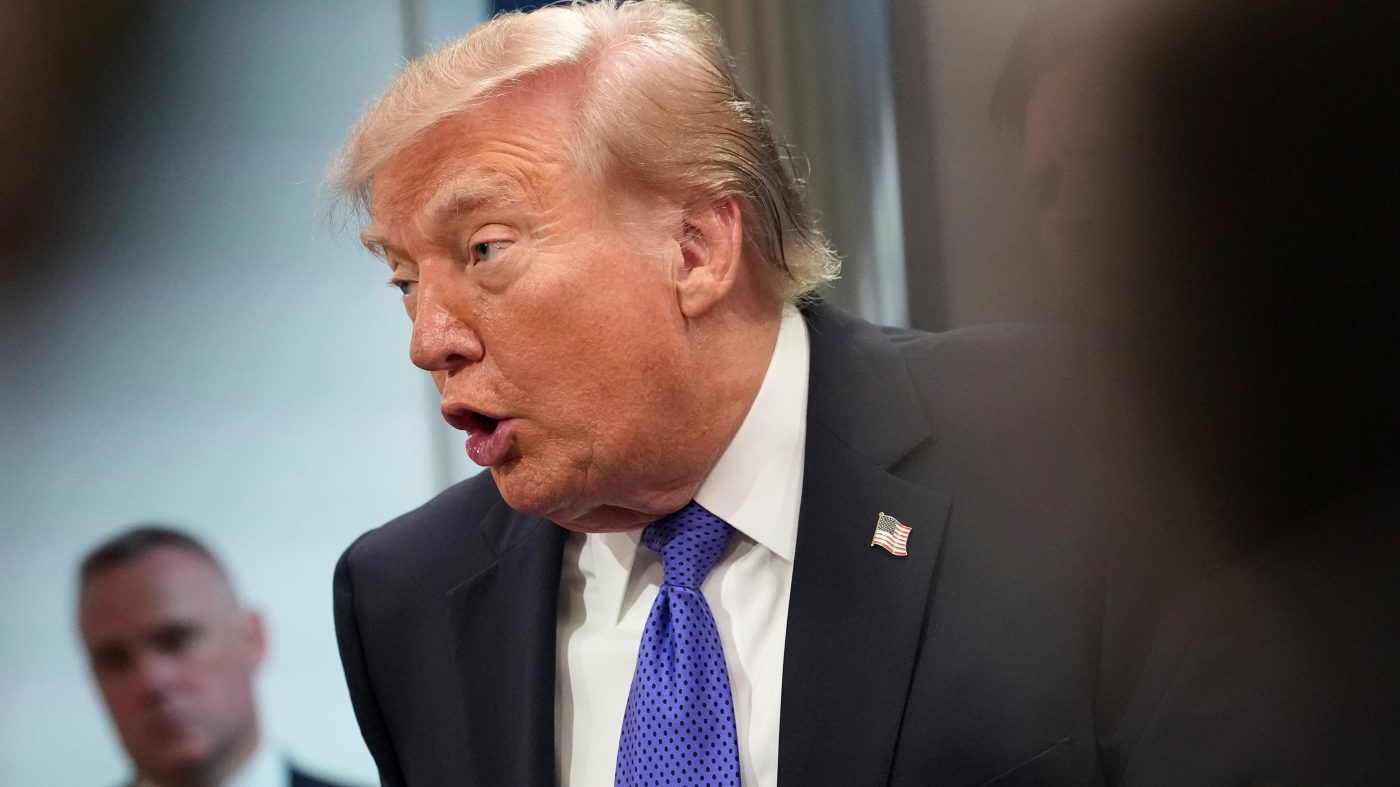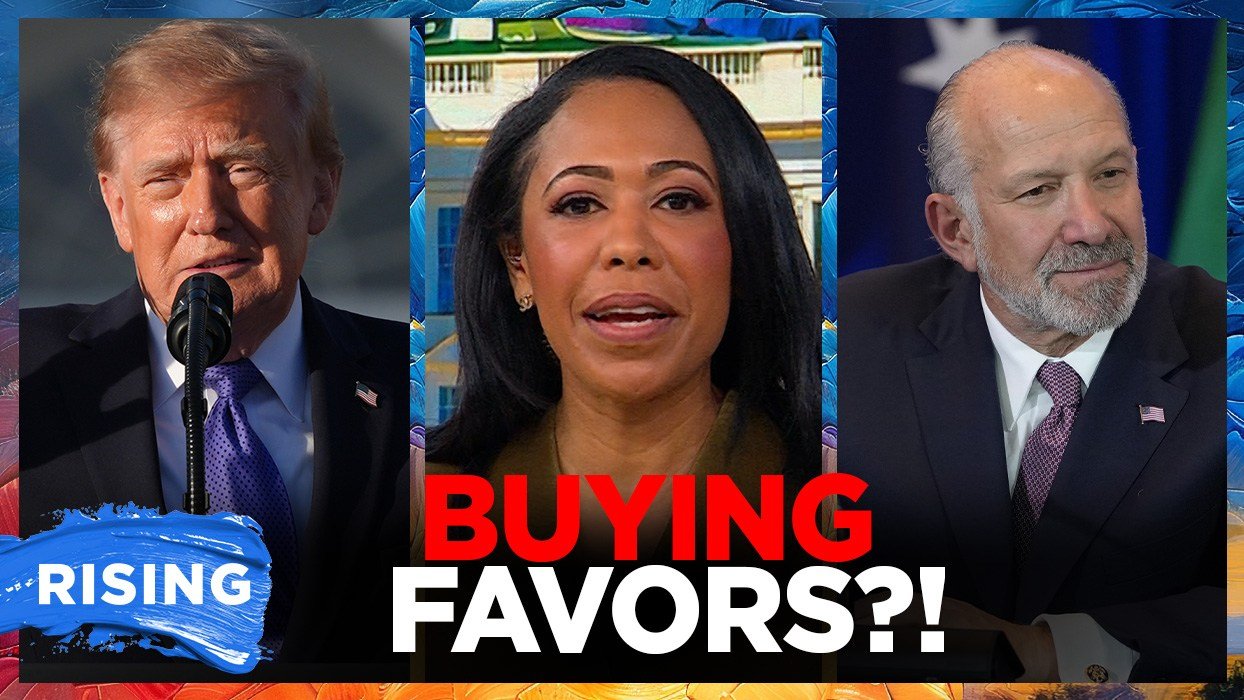
Commerce Secretary Howard Lutnick appears to have secured his position in the Trump administration through a hefty donation to the president's presidential library, according to a new report. The Wall Street Journal detailed that President Trump was on the verge of dismissing Lutnick, particularly after the secretary acknowledged visiting Jeffrey Epstein's private island with his family. However, the dynamic shifted after Lutnick, a billionaire and former Cantor Fitzgerald chairman, contributed $25 million to Trump's library fund.
The report suggests that Trump stopped discussing replacing Lutnick after the donation. This episode underscores how financial contributions can influence presidential favor and political survival, raising questions about accountability within the administration.
Beyond the Epstein connection, Lutnick faces scrutiny over his department's handling of export controls on advanced AI chips. The controversy centers on Singapore-based data center company Megaspeed, which has been linked to Nvidia and alleged attempts by China to circumvent U.S. restrictions. Treasury Secretary Scott Bessent has publicly criticized Lutnick's Commerce Department for not placing Megaspeed on a national security blacklist, a disagreement that has spilled into public view.
Republican senators, including Thom Tillis, Tom Cotton, and John Kennedy, have raised concerns. Senator Kennedy, in a Sunday appearance on "Meet the Press," expressed alarm that the Commerce Department may have allowed China to bypass export controls. He stated, "It appears to me — I emphasize appears — that the Department of Commerce has allowed the Communist Party of China to circumvent our export controls on advanced chips. Either that or they didn't know what they're doing, they're so incompetent you wouldn't put 'em in charge of a food truck."
Kennedy went further, calling for both Lutnick and Bessent to testify under oath. He noted their apparent discord, saying, "Scott Bessent has been saying 'stop it.' So I want to get both of 'em in front of a committee, put 'em under oath, ask 'em not to stab each other, because I realize they don't like each other. And let's answer some hard questions."
The Commerce Department plays a critical role in protecting U.S. economic and technological interests, especially as competition with China intensifies. The ongoing disputes and the reported donation raise concerns about whether accountability is being sidelined in favor of political favors. Critics argue that the episode reflects a broader pattern of loyalty and financial influence overshadowing policy rigor.
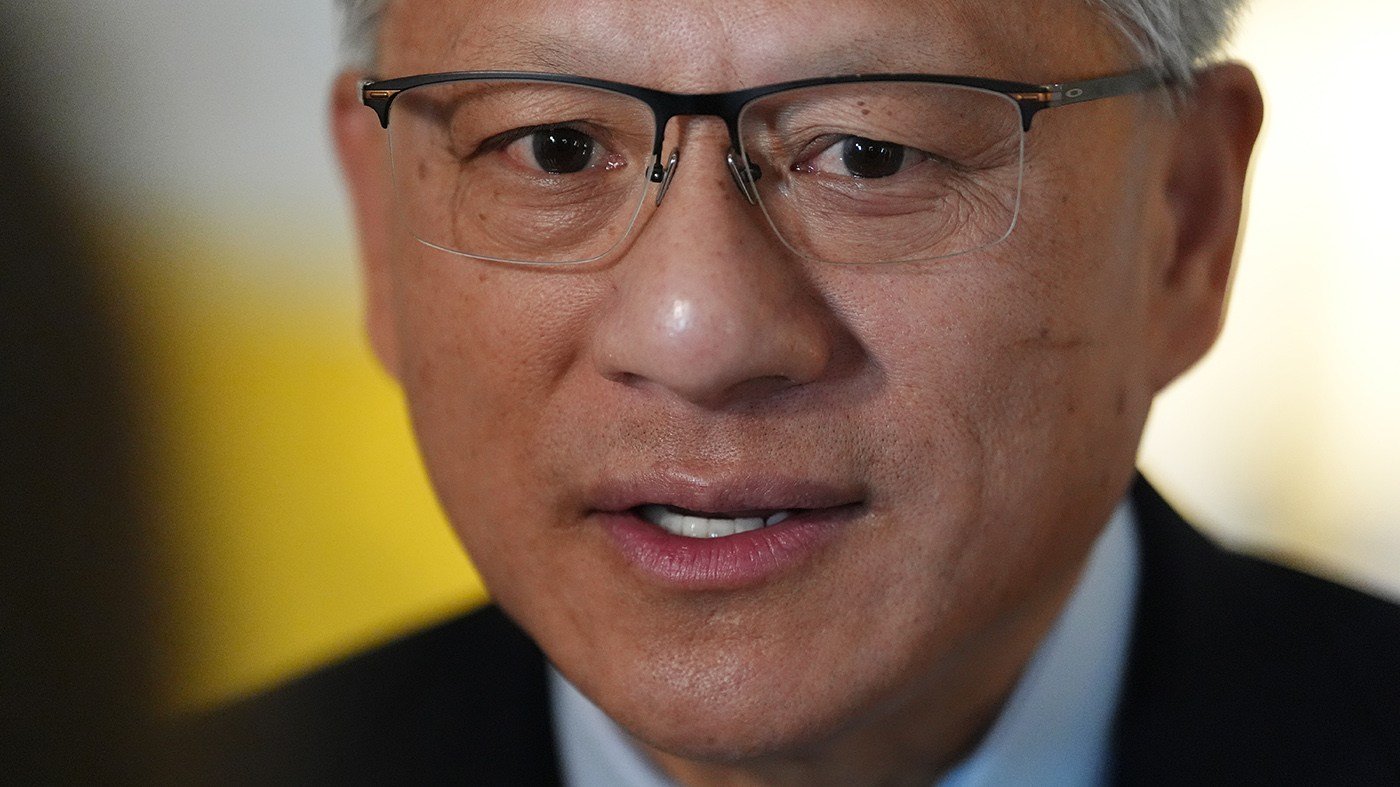
This development comes amid broader debates over AI chip regulations and national security. President Trump has been involved in efforts to reinstate Nvidia's CEO, Jensen Huang, as part of a push to bolster U.S. competitiveness. However, the current controversy highlights the tensions between economic interests and security concerns.
As the story unfolds, the administration faces questions about transparency and the influence of money in governance. The outcome could set a precedent for how similar controversies are handled in the future.