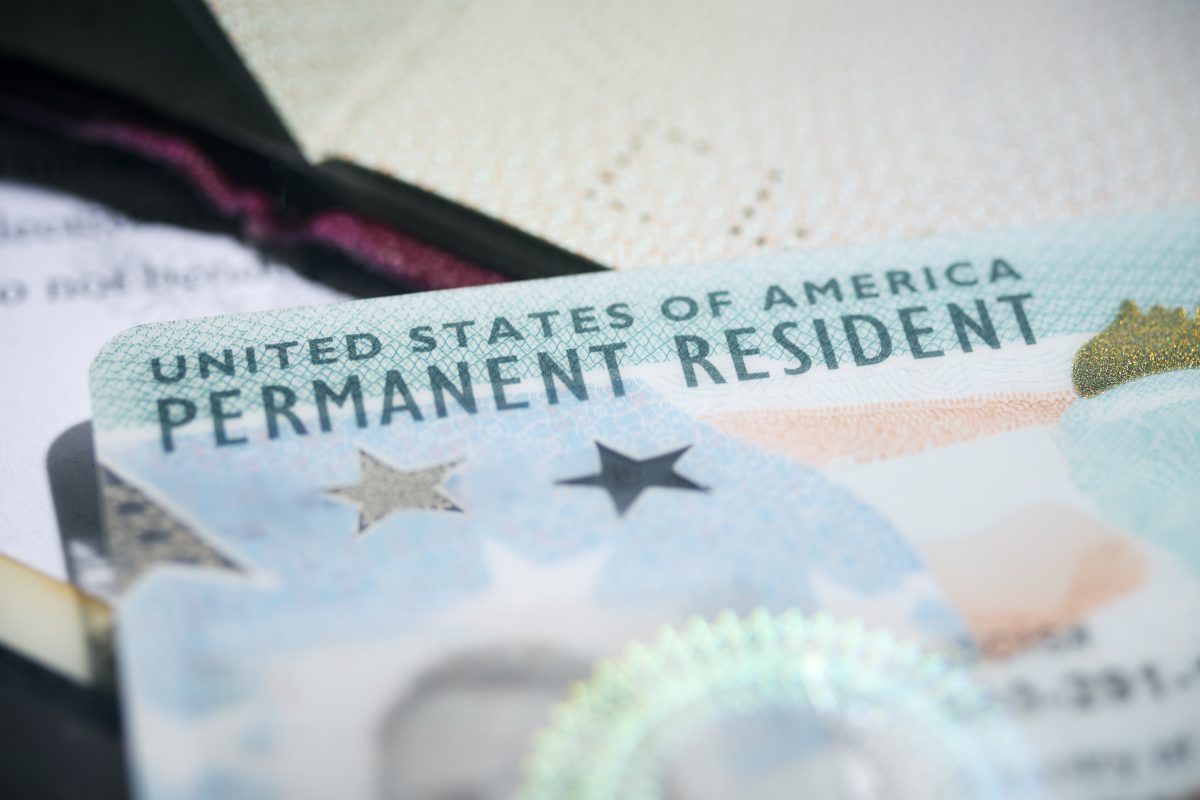
The Department of Labor has formally proposed a rule that would significantly tighten the standards for employer-sponsored green cards, a move that aligns with the Trump administration's broader efforts to prioritize American workers in the immigration system. The proposed changes target the permanent labor certification program, commonly known as PERM, which is used by employers to sponsor foreign workers for permanent residency based on job offers.
Under the new rule, employers would be required to advertise positions for at least 90 calendar days and demonstrate that they made genuine, good-faith efforts to recruit qualified U.S. workers before turning to foreign labor. The Labor Department said the changes are designed to "enhance" protections for American workers and ensure they are considered first for high-skilled, high-paying roles.
Labor Secretary Keith Sonderling emphasized the administration's stance, stating, "American Workers are the best in the world, and they deserve the first and best job opportunities. Existing regulations have instead allowed companies to sponsor foreign workers without fully considering American workers first." He added, "This proposed rule change will ensure American workers are first in line for high-skilled, high-paying job opportunities over foreign labor."
The rule also takes aim at employers that have recently downsized. It would require ongoing consideration of laid-off American workers and would bar companies that have laid off U.S. employees in the past two years from sponsoring foreign workers for similar positions. Additionally, employers would be prohibited from tailoring job descriptions to match the qualifications of a specific foreign worker, a practice critics say has been used to circumvent the recruitment process.
The proposal is open for public comment for 60 days, a period that will likely draw intense feedback from business groups, immigration advocates, and technology firms that heavily rely on the PERM and H-1B visa programs.
This announcement is the latest in a series of actions by the Trump administration to crack down on employer-based immigration. Last month, tech giant Microsoft was suspended from the PERM program, with Vice President JD Vance accusing the company of abusing the system. "There has been no company in the United States, unfortunately, that has abused this system more than Microsoft," Vance said at a press conference.
The administration has also pursued other restrictive measures. Last year, it announced a $100,000 fee for H-1B visa applications, a move that was blocked by a federal judge in June. In August, the Department of Homeland Security proposed a separate rule that would impose a $103,265 fee on H-1B visas for foreign workers.
These actions come amid broader debates over immigration policy and its impact on the U.S. workforce. While supporters argue that such measures protect American jobs, critics contend they could hamper innovation and economic growth by making it harder for companies to attract global talent. The administration's stance has also been a flashpoint in discussions about President Trump's approval ratings, which remain near record lows according to recent polls.
The proposed PERM rule is expected to face legal challenges if finalized, similar to the blocked H-1B fee. For now, employers and immigration attorneys are bracing for a more stringent process ahead. The Labor Department's move underscores the administration's commitment to reshaping the immigration system, even as it navigates other pressing policy issues on its agenda.