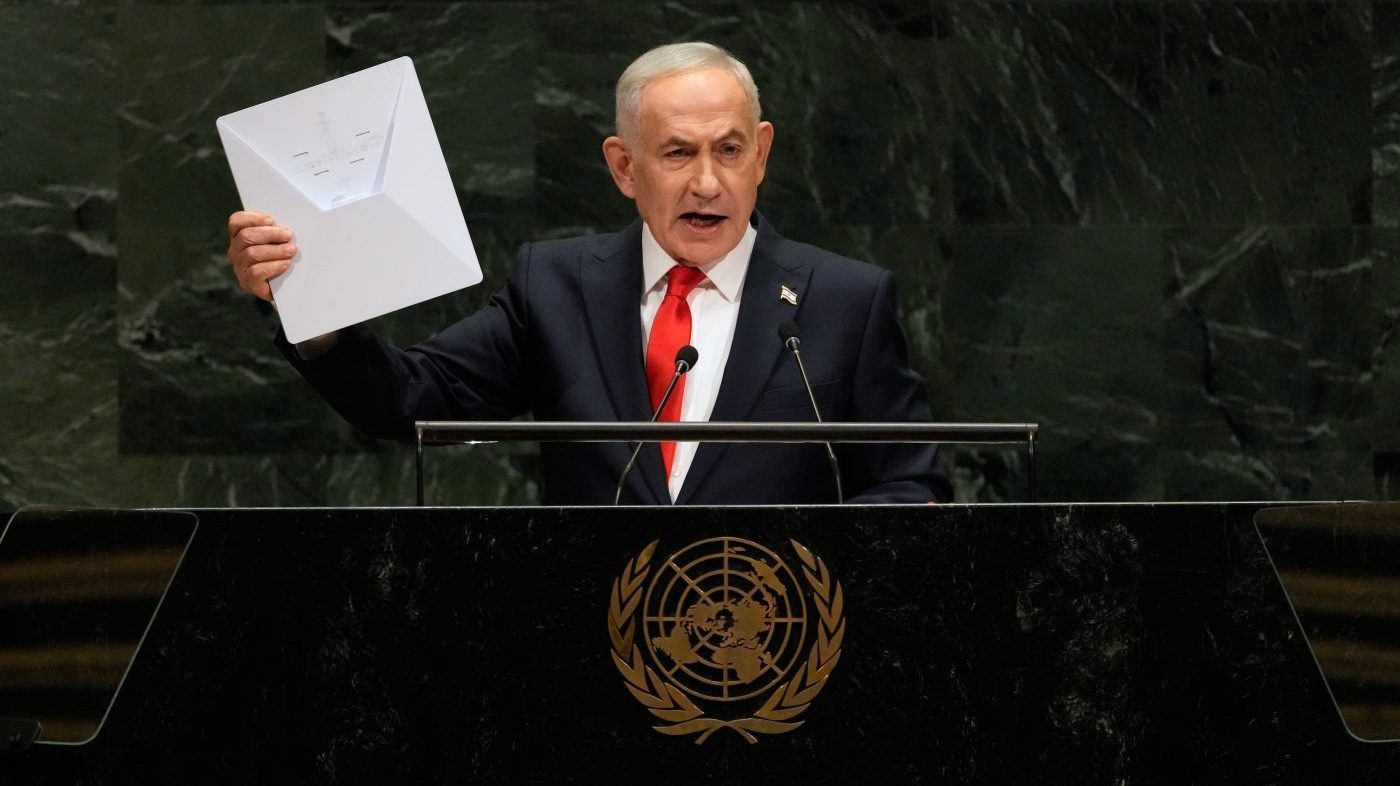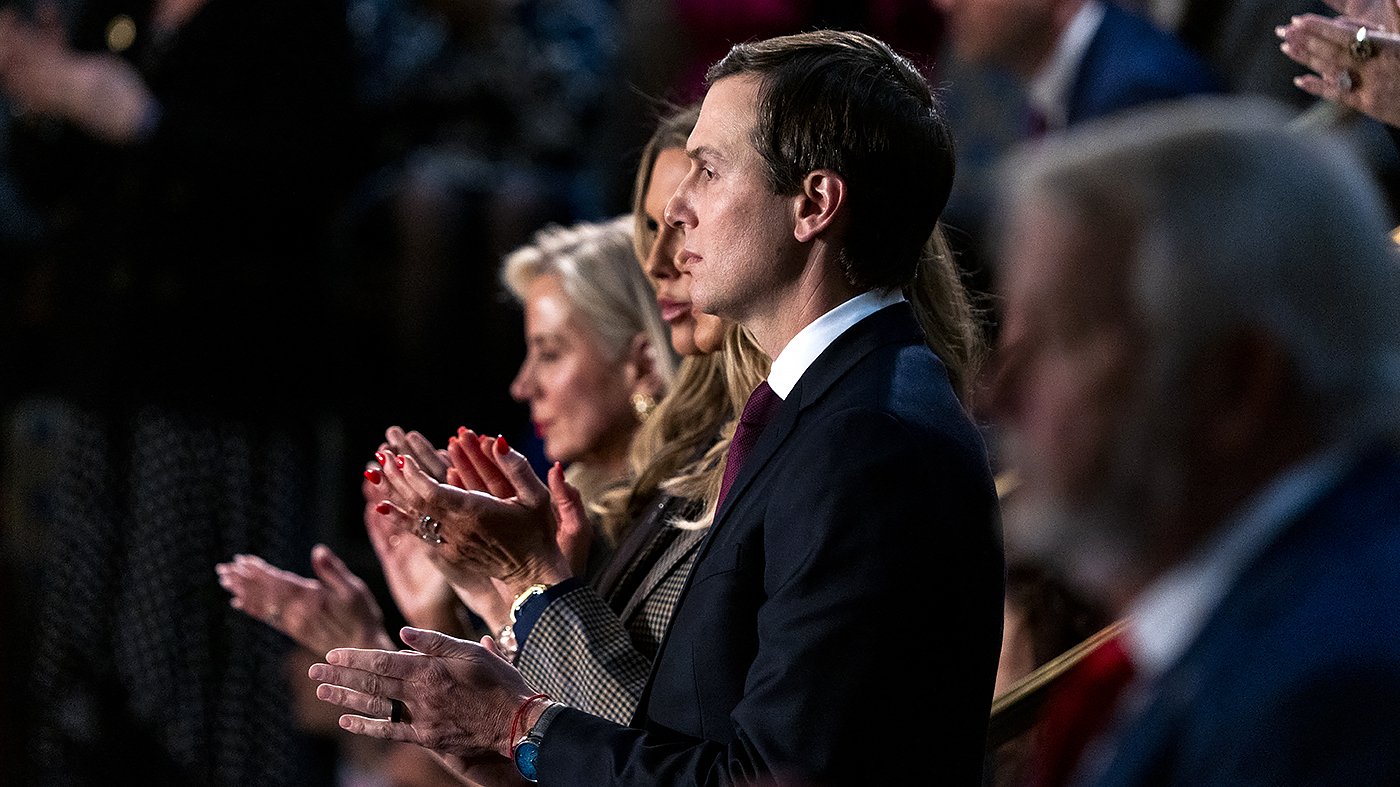
Special envoy Jared Kushner met with Israeli Prime Minister Benjamin Netanyahu on Monday, pressing him to move forward with the Trump administration's peace plan for Gaza, according to an Israeli official. The four-hour meeting came after reported talks between U.S. officials and Hamas, the U.S.-designated terrorist group, aimed at reviving the stalled initiative.
Kushner, who is also the president's son-in-law, was accompanied by Nickolay Mladenov, the top representative for the Board of Peace, the entity established by the White House to implement the plan. Netanyahu's office described the discussions as "deep and constructive," and announced the creation of two working groups: one focused on disarmament and demilitarization of Gaza, and another addressing sanitation, clean water, and other public health issues in the enclave.
However, the prime minister's office made clear that the disarmament working group must complete its work "before any reconstruction happens in Gaza." Netanyahu last week rejected a 15-point roadmap that called for Hamas to disarm and Israel to withdraw, insisting that Israel would not pull back until Hamas surrenders its weapons.
Kushner's visit to Israel followed a reported two-hour meeting in Cairo with Hamas's new leader, Khalil al-Hayya, alongside mediators from Egypt, Qatar, and Turkey. Hamas had initially accepted the 15-point plan but conditioned it on Israel halting attacks and withdrawing simultaneously with the handover of weapons. According to Axios, Kushner pressed Hamas for tangible steps toward disarmament, including transferring governing authority to a Palestinian technocratic government and ensuring Hamas plays no role in Gaza's future governance.
Despite the pressure, Kushner thanked al-Hayya for Hamas's commitment to the plan and for efforts to recover the bodies of all killed Israelis. Hamas leaders, in turn, expressed gratitude for U.S. efforts to improve humanitarian conditions in Gaza, where nearly 2 million people face a catastrophic crisis. The UN agency for Palestinian refugees, UNRWA, reports it is hosting about 65,000 internally displaced people, but nearly the entire population lacks adequate shelter, water, food, and medical care.
Gaza's Health Ministry, which does not distinguish between civilians and combatants, has recorded more than 70,000 Palestinian deaths and over 174,000 injuries during the nearly three-year war. Since the ceasefire took effect, an additional 1,200 Palestinians have been killed and more than 4,300 injured.
The Trump administration faces an uphill battle to secure Netanyahu's meaningful commitment ahead of Israeli elections set for late October, which coincide with the anniversary of Hamas's Oct. 7, 2023, attack. That attack killed an estimated 1,200 people in southern Israel and took 251 hostages. Over two years, about 160 were returned through negotiations, exchanges, and rescue operations. Trump's ceasefire deal in October secured the release of the remaining 20 living hostages and the return of deceased hostages' bodies in exchange for Palestinian prisoners.
Israeli journalist Tal Schneider, speaking at a Jerusalem Press Club panel on Monday, noted that Oct. 7 remains a deep trauma. "There's a very, very strong sentiment in all walks of Israeli society not to surrender anything to the terrorists," she said. "It's so strong that Netanyahu can hardly do anything at the moment."
The political stakes are high for Netanyahu, who must balance domestic pressure with international demands. As some U.S. lawmakers argue that Israel's actions undermine American security goals, the administration is also navigating broader diplomatic tensions, such as the recent visa dispute with Brazil. Meanwhile, supporters of the alliance emphasize its strategic value, but the path to a durable peace in Gaza remains uncertain.