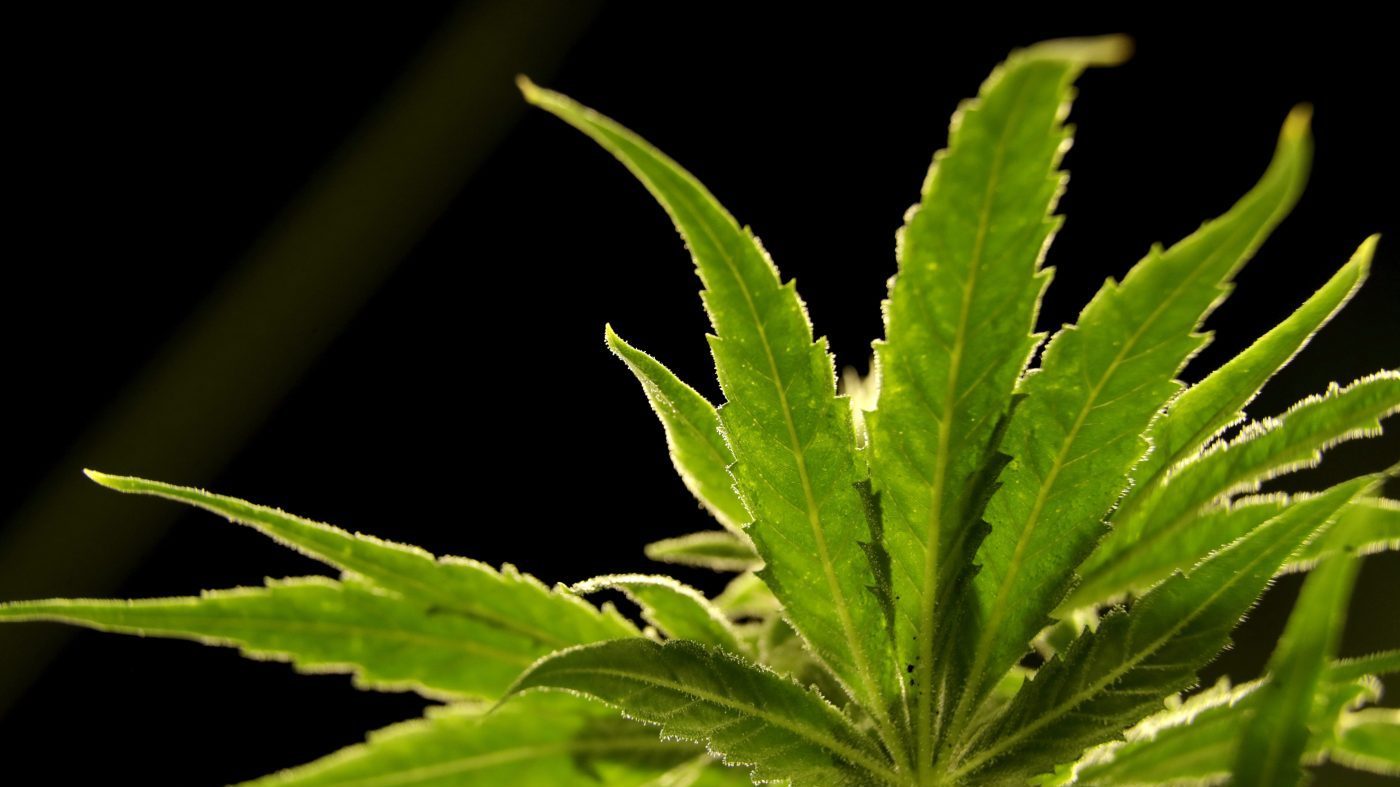
Four Republican senators are demanding that the Justice Department open an investigation into what they describe as a sprawling Chinese criminal presence in the American cannabis and intoxicating hemp industries. The group—Sens. Tom Cotton of Arkansas, Pete Ricketts of Nebraska, Susan Collins of Maine and Ted Budd of North Carolina—sent a letter Wednesday to Attorney General Todd Blanche urging federal action.
The lawmakers argue that Chinese transnational criminal organizations are systematically taking advantage of gaps in U.S. drug law to build profitable illicit enterprises that endanger public safety and national security. They pointed to the Drug Enforcement Administration’s 2025 National Drug Threat Assessment, which they said documents Chinese groups’ dominance in marijuana cultivation and distribution, particularly in states that have legalized cannabis.
According to the senators, these networks buy or lease American farmland for illegal grow sites, bring in foreign laborers, and import pesticides and fertilizers from China—including chemicals that are banned in the United States. “These organizations purchase and lease American land for illegal grow operations, traffic foreign workers, and use toxic pesticides and fertilizers shipped from China, including chemicals banned in the United States,” the letter states.
The senators contend that closing the so-called hemp loophole is essential to disrupting these operations. That loophole stems from the 2018 Farm Bill, which Republicans championed and which removed hemp from the controlled substances list. The change allowed a wave of unregulated, intoxicating hemp-derived THC products to enter the market.
Congress moved last year to shut the loophole, but a White House-led effort delayed the ban by three weeks. The new compliance deadline is Dec. 11. Budd and Ricketts led a Senate amendment to the government spending bill that would have stripped the delay and kept the original ban timeline intact.
In their letter, the senators warned that further delay would only strengthen the criminal networks. “Leaving the loophole unaddressed would give these networks additional time to flood American commerce with synthetic products,” they wrote. “This would also further entrench their operations on American soil, fund their enterprises with illicit revenue, and expose consumers to unregulated, dangerous synthetic products masquerading as legal hemp.”
The push comes as Congress remains gridlocked over spending and as the Trump administration’s funding clawback fight with GOP senators complicates legislative priorities. The hemp delay was folded into a broader government funding package, which also included a bipartisan energy and data center deal that remains under negotiation.
For the senators, the national security implications are clear. They argue that Chinese criminal networks are not merely drug traffickers but are exploiting U.S. immigration and agricultural systems to entrench themselves. The DEA assessment they cite paints a picture of sophisticated operations that often evade local law enforcement because of the legal gray area created by the hemp loophole.
It remains unclear whether Attorney General Blanche will act on the request. The Justice Department has not publicly commented on the letter. But the senators’ move signals that the fight over hemp regulation—and the broader question of how to handle Chinese criminal activity on U.S. soil—will continue to roil Congress well past the Dec. 11 deadline.