For more than four years, the Kremlin's propaganda machine hammered a single message: Russia would crush Ukraine, no matter the cost. Western sanctions and arms shipments, the narrative went, would only prolong Kyiv's agony and pile up casualties. But that line has collapsed under the weight of battlefield reality.
Russian propagandists have now abruptly pivoted. Instead of promising victory, they are warning that a Russian defeat would be dangerous for the West itself. The new script, pushed by oligarchs and state media alike, argues that losing in Ukraine could trigger internal chaos, civil war, or even a power vacuum that China would exploit.

The shift comes as Ukrainian forces grind down Russian units in the Donbas and strike deep behind enemy lines. Drone attacks on oil refineries and tankers in the Black Sea and Sea of Azov have exposed the hollowness of Moscow's earlier boasts. Even hardline apologists now concede that Russia cannot seize the Donbas without ruinous losses.
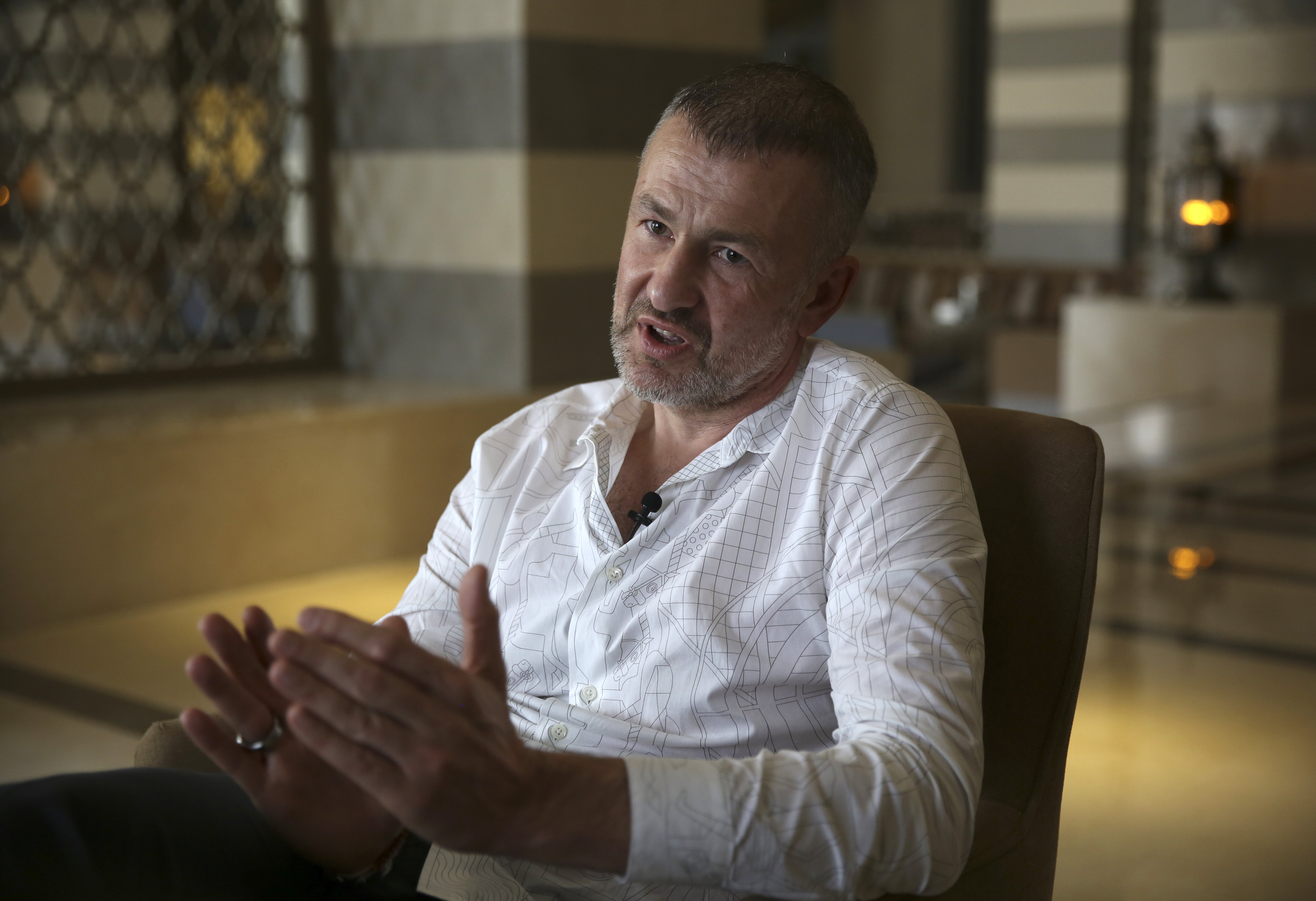
To introduce the revised narrative, the Kremlin deployed a familiar proxy: billionaire Andrey Melnichenko, a Putin ally, wrote a column in The Economist. His argument—that a Russian defeat would unleash instability and nuclear risks—is designed to spook Western audiences and undercut support for Ukraine.
The goal remains the same: force the West to pressure Kyiv into accepting Russian demands and ceding territory. But the new message is as false as the old one. Vladimir Putin has built a system that crushes dissent, whether from ultranationalists or liberals. The security apparatus controls society tightly. After Yevgeny Prigozhin's mutiny, Putin purged any potential rivals. No figure remains who could lead an internal uprising or civil war.
Russian elites are fully subordinate to the Kremlin. Independent military thinking has been eradicated. The likelihood of armed internal conflict or state collapse following a defeat in Ukraine is minuscule.
What Moscow cannot achieve on the battlefield, it now tries to achieve through fear: convincing the West that a Ukrainian victory is against Western interests. This is the same old coercion wrapped in new packaging. As the Senate advances sanctions legislation against Russia, and as President Zelensky prepares to address all 100 senators, Western leaders must recognize the tactic for what it is—a desperate attempt to salvage a losing war through psychological manipulation.
Ukraine's Western allies should hold the line. The Kremlin's propaganda shift is a sign of weakness, not strength. Clear-headed analysis, not panic, should guide policy in Washington, Brussels, and beyond.