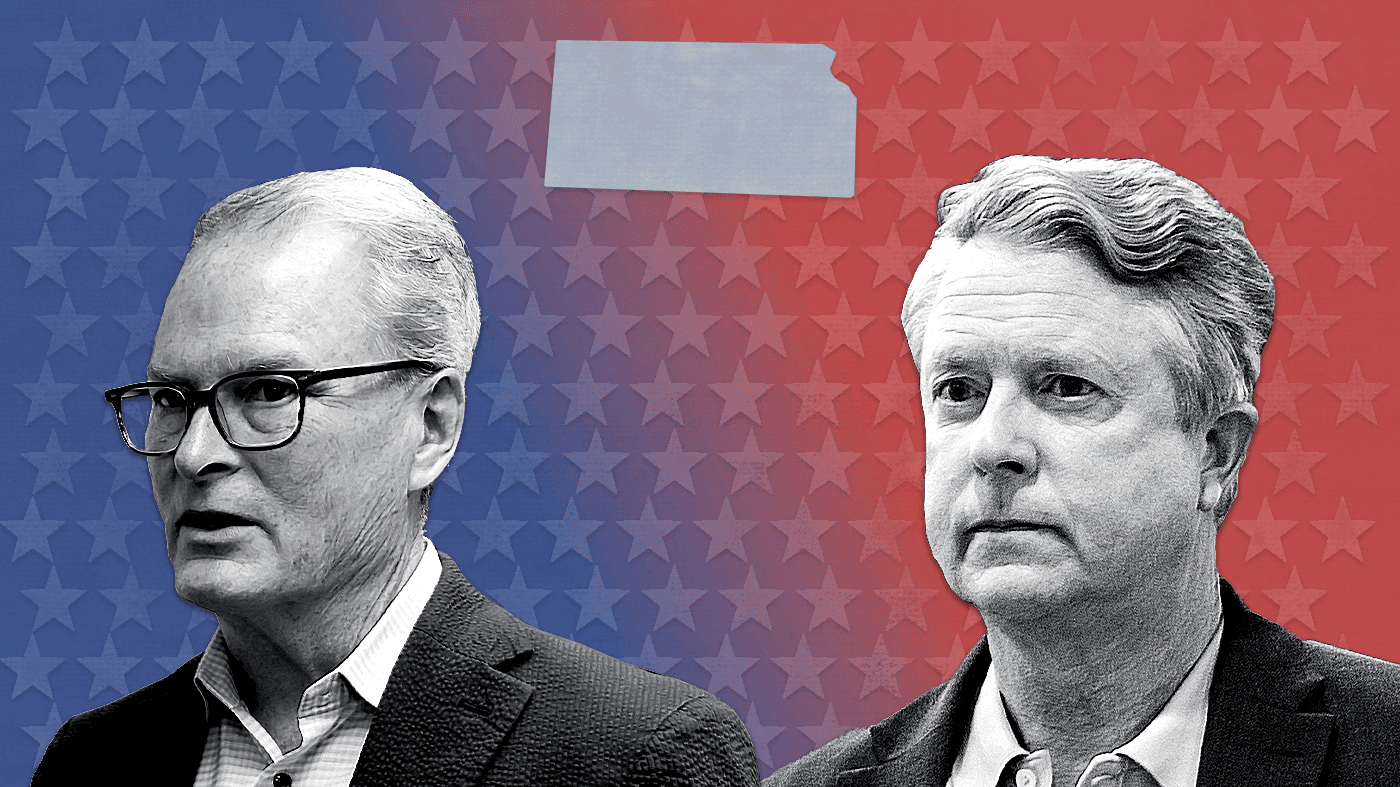
Kansas voters head to the polls Tuesday to choose their next U.S. senator, a contest that has become unexpectedly competitive in a state that has not elected a Democrat to the Senate since 1932. The race pits incumbent Republican Roger Marshall against Democratic challenger Adam Hamilton, a prominent pastor who has drawn cross-party support.
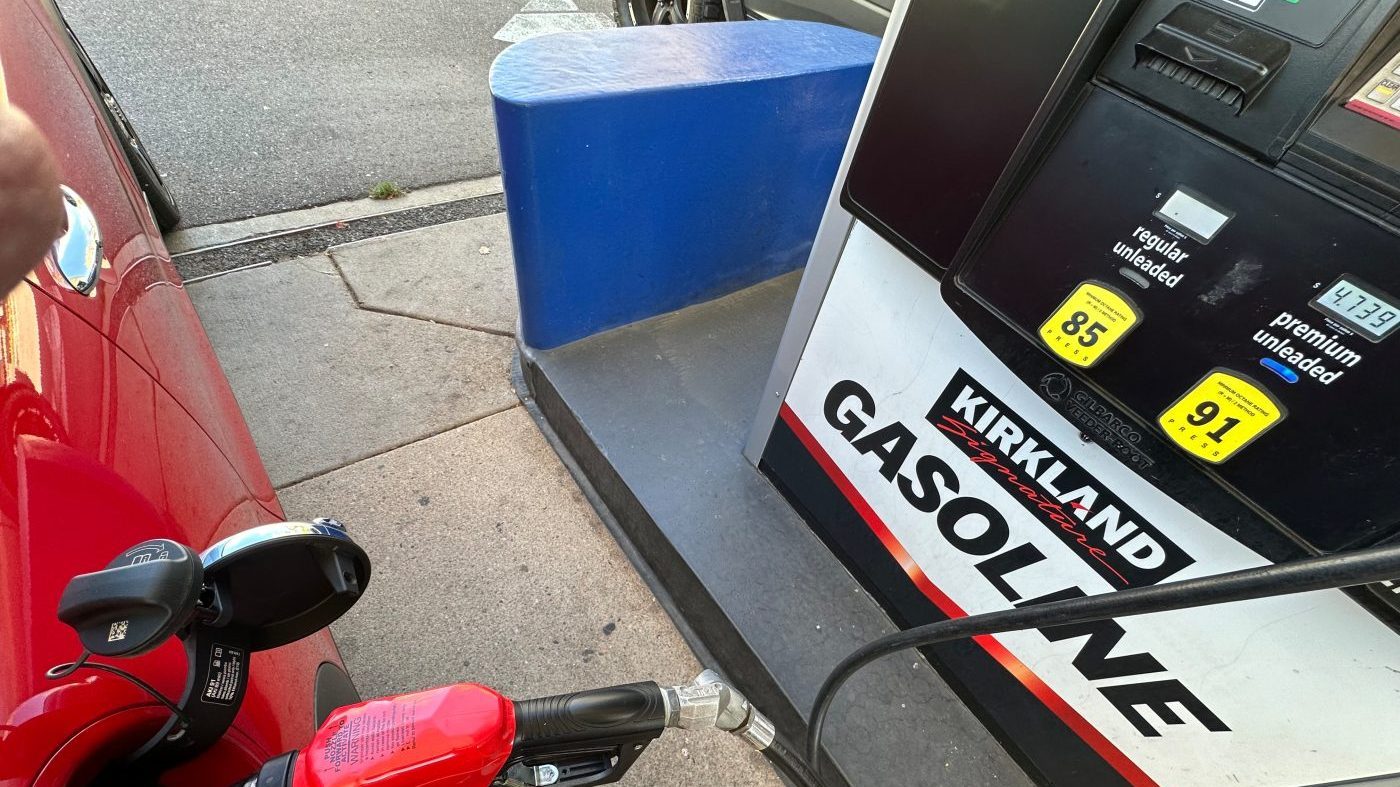
Marshall, seeking a second term, faces headwinds from several controversies, including reports that he sued hundreds of patients over unpaid medical bills. These issues, combined with President Trump's declining approval ratings and rising fuel prices that have squeezed agricultural communities, have given Democrats an opening in the traditionally red state.
Hamilton, who leads one of the largest megachurches in Kansas, has emerged as one of the strongest Democratic candidates this cycle. His campaign has secured endorsements from two former Republican governors, signaling potential crossover appeal that could be decisive in a state where Republicans hold a significant voter registration advantage.
The race has attracted national attention as part of the broader narrowing generic ballot edge for Democrats in the final weeks before the midterms. Both parties have poured resources into the state, with outside groups spending heavily on advertising and get-out-the-vote efforts.
Political analysts point to the Kansas governor's race as a parallel contest, where Democrat Laura Kelly won twice in a state that leans Republican. The open governor's race between Republican Derek Masterson and Democrat Joshua Holscher is also seen as competitive, reflecting a possible realignment in Sunflower State politics.
Hamilton has focused his campaign on kitchen-table issues, including healthcare costs and economic security, while Marshall has emphasized his alignment with Trump and conservative values. Recent polling shows the two candidates within the margin of error, a remarkable development in a state where Republicans have dominated federal elections for decades.
The outcome could hinge on voter turnout in suburban areas, where Trump's unpopularity has historically hurt Republican candidates. Both campaigns have invested heavily in election day operations to monitor disinformation and ensure their supporters cast ballots.
As results begin to trickle in, political observers will watch several bellwether counties to gauge the night's trajectory. Kansas's Senate race is seen as a potential indicator of broader national trends, with implications for control of the chamber.
Polls close at 8 p.m. EST, and initial returns are expected shortly thereafter. A victory by Hamilton would mark a historic shift in Kansas politics, while a Marshall win would reaffirm the state's Republican leanings and provide a boost to GOP efforts to retain the Senate.