Verdict Delivers Blow to Tech Billionaire
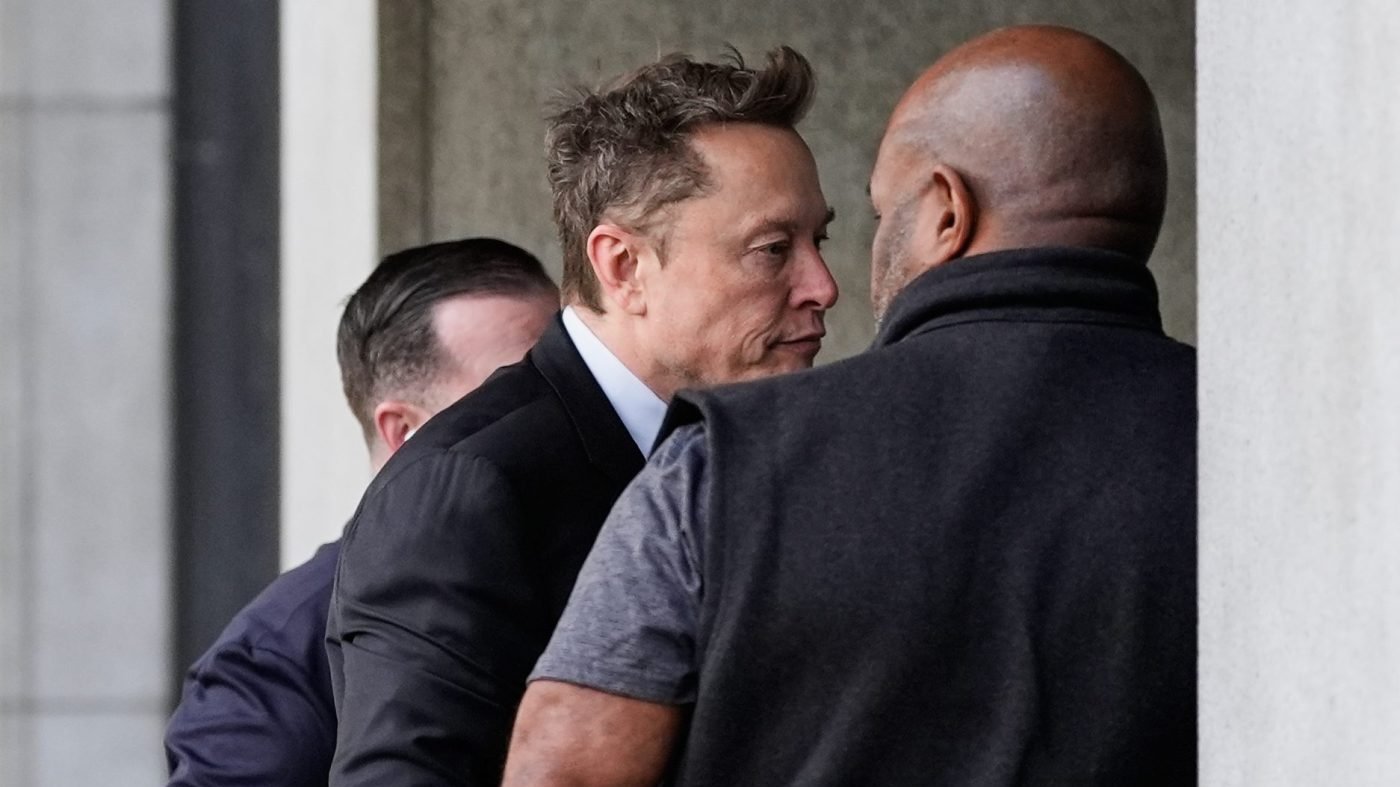
A federal jury in San Francisco has determined that Elon Musk engaged in securities fraud by making false statements that artificially depressed Twitter's stock value during his contentious 2022 takeover of the social media platform. The unanimous verdict, delivered Friday, centers on two specific tweets from Musk that the panel found were deliberately misleading to shareholders.
The case was brought by four investors who alleged they suffered substantial financial losses after Musk publicly questioned the prevalence of spam bot accounts on Twitter, casting doubt on the company's value just months before he ultimately purchased it for $44 billion. While the jury found Musk liable for the tweets, it cleared him of wrongdoing regarding a separate podcast comment, and rejected the plaintiffs' broader claim that his actions constituted an elaborate scheme.

Legal and Financial Repercussions
According to legal representatives for the shareholders, the verdict could compel Musk to pay approximately $2.5 billion in damages to former investors. "This decision establishes a critical boundary for corporate conduct," said Joseph Cotchett, an attorney for the plaintiffs. "It protects ordinary investors—teachers, nurses, firefighters with retirement accounts—from manipulation by powerful figures." The ruling underscores the legal risks executives face when making public statements about companies they seek to acquire.
Musk's legal team immediately signaled their intention to challenge the outcome. In a statement, they characterized the jury's decision as a temporary setback and expressed confidence it would be overturned on appeal. The defense has consistently argued that Musk's comments were not materially deceptive and did not cause the alleged financial harm.
This civil verdict adds another layer to Musk's extensive legal challenges surrounding the Twitter acquisition. He previously settled a lawsuit regarding the delayed disclosure of his initial 9.2% stake in the company. Separately, the Securities and Exchange Commission (SEC) has pursued its own investigation, alleging Musk withheld timely information that may have allowed him to acquire shares at a lower price. A federal judge recently denied Musk's attempt to move that SEC case out of Washington, D.C., ensuring it will proceed in the capital.
Broader Context of Executive Accountability
The case arrives amid heightened scrutiny of how influential business leaders navigate financial regulations and disclosure requirements. Musk's acquisition of Twitter, now rebranded as X, remains one of the most scrutinized corporate transactions in recent years, drawing attention from regulators, legislators, and the financial press. The jury's finding of liability highlights the potential consequences when public statements by high-profile executives conflict with securities laws designed to ensure market fairness.
Legal experts note that this verdict could influence how other tech executives communicate during merger negotiations, particularly on public platforms like X. The outcome demonstrates that jurors are willing to hold even the most prominent figures accountable for statements that sway market prices. This case also intersects with wider debates about market regulation and investor protection, themes frequently examined in coverage of high-stakes financial and geopolitical maneuvers that affect global markets.
The resolution of this shareholder lawsuit is unlikely to be the final word. With an appeal pending and the parallel SEC action ongoing, Musk's legal battles over the Twitter acquisition will continue to unfold. These proceedings are being watched closely as a bellwether for enforcement in an era where social media commentary can instantly move markets. The situation echoes other instances where public figures face legal accountability, similar to the scrutiny surrounding recent high-profile confirmations and their attendant controversies.
For investors and regulators, the case reinforces the principle that public statements from individuals in positions of corporate influence carry significant legal weight. As the appeals process begins, the financial and technology sectors will be assessing the long-term implications for merger communications and executive speech.