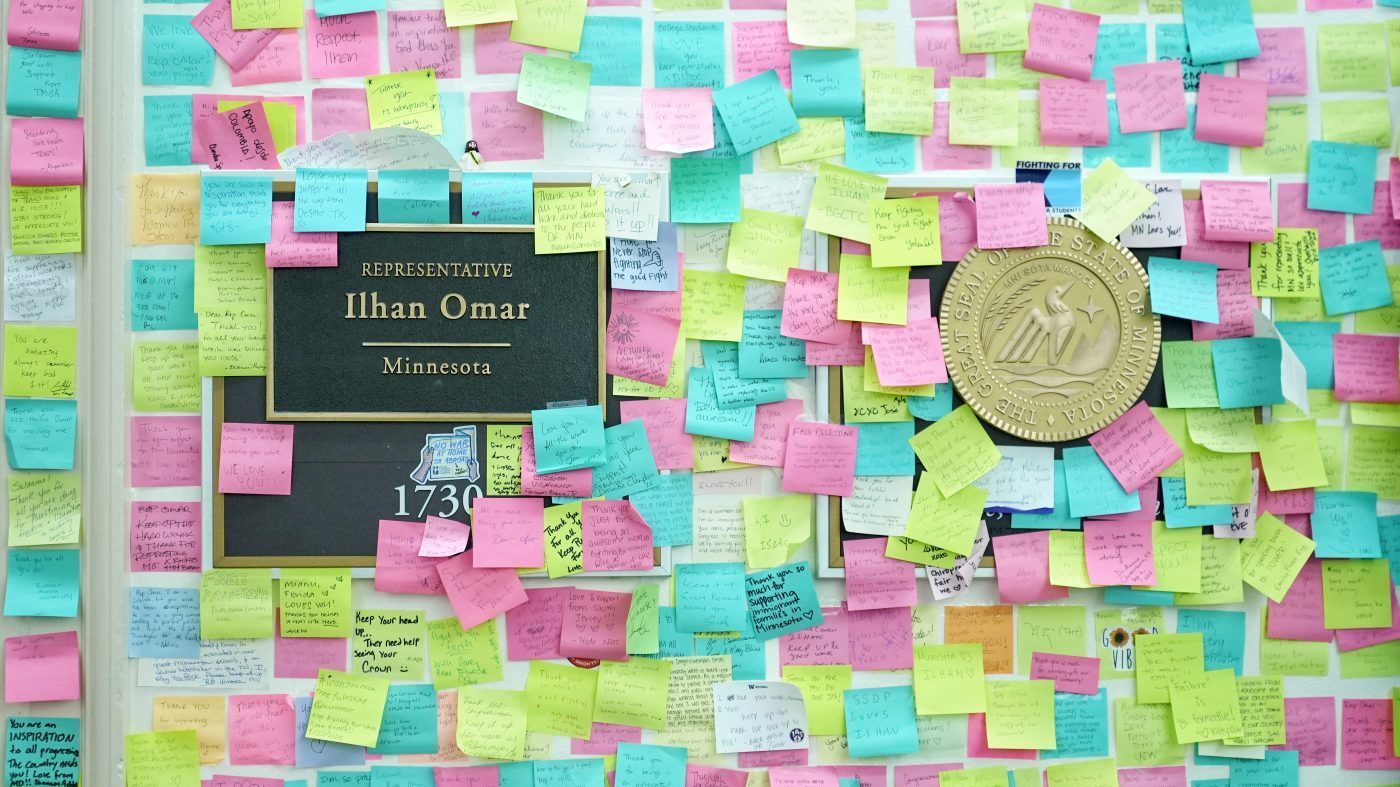
A federal judge on Tuesday sided with the Justice Department in its effort to keep the bulk of the search warrant affidavit in the criminal investigation of Rep. Ilhan Omar (D-Minn.) under seal, saying that full disclosure would be premature while investigators continue to review materials seized from the congresswoman's home.
Chief U.S. District Judge James Boasberg, during a hearing in Washington, D.C., said he agreed that the “vast majority” of the affidavit should remain confidential. However, he signaled that portions discussing the protection of Omar's constitutional rights as a member of Congress should not be redacted. The Speech and Debate Clause shields lawmakers from questioning outside the legislative branch regarding their legislative activities.
The hearing came after a coalition of 14 news organizations, including The Associated Press, CNN, NBC News, and The Washington Post, sought access to the search warrant and other sealed court records tied to the October raid on Omar's D.C. residence. Federal agents seized her phone and later subpoenaed members of her family as part of the probe into suspected immigration fraud.
Prosecutors had urged Boasberg to reject the media request, arguing that unsealing the records now could compromise the investigation before authorities finish reviewing the evidence or decide whether to file charges. In a heavily redacted filing, U.S. Attorney Jeanine Pirro wrote that “unsealing everything now imperils the investigation and publicly exposes suspected criminal wrongdoing against which may yet mount a defense in court.”
While the DOJ has not disclosed the full scope of the investigation, prosecutors indicated that the records would not be sealed indefinitely. They suggested that a public charging decision could come once the search warrant is fully executed and the evidence is reviewed.
During the hearing, Boasberg pressed DOJ attorney Allessandra Serano on why the government could not release portions of the court documents, noting that many of them did not identify witnesses or reveal evidence. Serano acknowledged that some discussions about Omar's constitutional protections could be released later but maintained that details about potential charges should remain confidential.
This case has drawn attention amid broader scrutiny of political figures, and the decision comes as judges have recently checked executive actions in other high-profile matters. The judge's ruling underscores the tension between transparency and the need to protect an ongoing criminal investigation.
The sealed records will remain under court seal for now, with the possibility of partial releases in the future. Legal experts note that the case could have implications for how courts balance congressional immunity against criminal accountability.