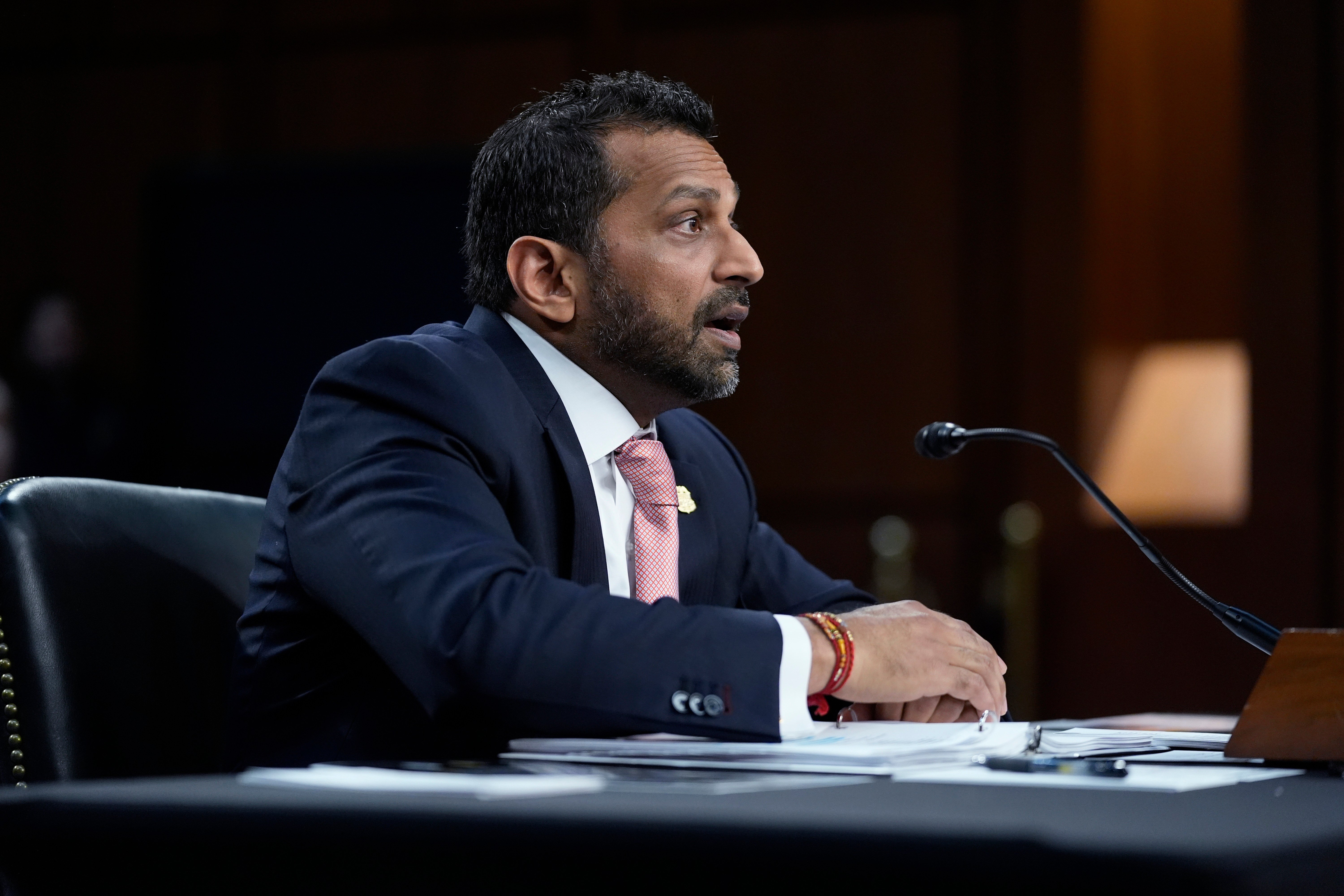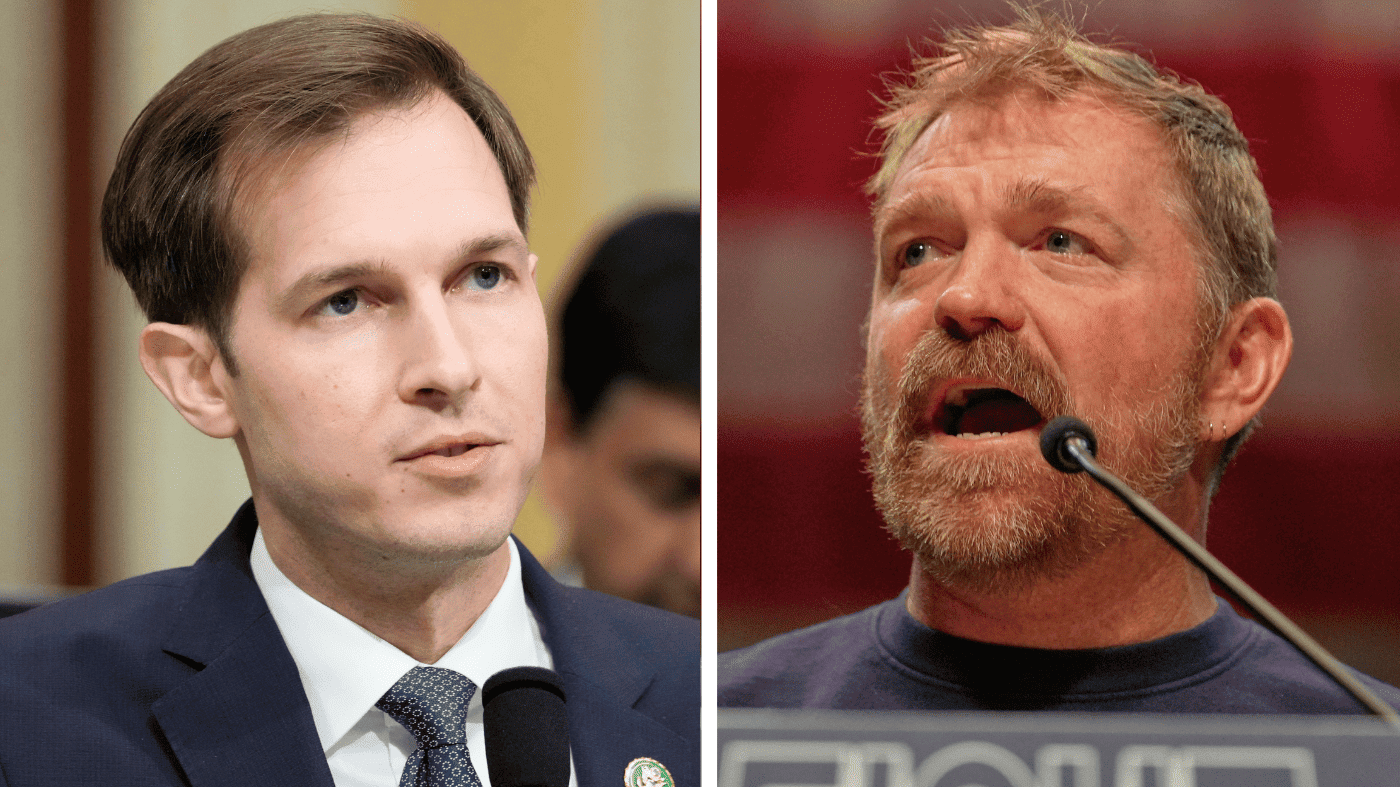
Representative Jake Auchincloss (D-Massachusetts) has drawn a sharp line in the Maine Senate race, declaring that the tattoo sported by Democratic frontrunner Graham Platner is a dealbreaker. In an interview with CNN’s Boris Sanchez on Monday, Auchincloss, who is Jewish, stated bluntly: “I’ve been clear about Graham Platner. I find that tattoo and his commentary about it to be personally disqualifying.”
The tattoo in question, a chest piece resembling the Totenkopf symbol used by Nazi Germany’s SS units, has sparked widespread condemnation. Platner, a U.S. Army veteran and oyster farmer, has since covered the tattoo and claimed ignorance of its historical meaning until reporters brought it to his attention last October. “I absolutely would not have gone through life having this on my chest if I knew that,” he said at the time, adding that he planned to have it removed.

But Auchincloss isn’t buying it. “I hope Maine voters agree with me,” he said. “I think it would be a mistake for the Democratic Party to think that Graham Platner’s brand of the Democratic Party is what wins us durable majorities throughout this country.” His comments come as Platner is widely expected to win the Democratic primary on June 9, setting up a general election showdown with incumbent Republican Senator Susan Collins.
The controversy extends beyond the tattoo. Platner has also faced scrutiny over years-old Reddit posts where he referred to himself as a “communist” and called police officers “bastards.” He told the podcast “Pod Save America” last fall that those posts were meant to provoke a reaction and didn’t reflect his actual views. Still, the combination has fueled internal Democratic tensions, echoing broader party struggles over messaging and candidate vetting.
When asked if he could support Platner to oust Collins, Auchincloss was unequivocal: “Values and principles always come before party. We saw Republicans forget that lesson with Donald Trump in 2016 and how much damage it’s done to the country. I will never forget that lesson.” His stance underscores a growing divide within the party, where some fear that prioritizing anti-Trump fury over ideological purity could become a political liability, as explored in recent analysis of Democratic strategy.
Despite his refusal to back Platner, Auchincloss emphasized his commitment to the party, pointing to his support for Texas state Representative James Talarico, who won the Democratic Senate primary in March. Talarico will face either incumbent Senator John Cornyn or Attorney General Ken Paxton—the latter backed by President Trump—in a runoff on Tuesday. Auchincloss expressed confidence in Talarico’s chances, saying, “We’re going to see Talarico win, whether it’s Paxton or Cornyn.”
The Massachusetts lawmaker’s intervention highlights the delicate balancing act Democrats face as they navigate internal crises while trying to capitalize on electoral gains, a dynamic detailed in recent polling data. With Platner’s primary win all but assured, the question now is whether Maine voters will share Auchincloss’s view—or if the party can unite behind a candidate with a controversial past to challenge Collins in a key battleground.