Last week was supposed to be a turning point for Democrats, with a New York Times poll showing a 10-point lead in the generic congressional ballot and a Reuters/Ipsos survey indicating a 4-point advantage. These numbers suggest the party has a realistic shot at reclaiming both the House and Senate, with competitive races emerging in Maine, North Carolina, Texas, Alaska, Ohio, and even Iowa. However, a series of missteps and internal fractures blunted that momentum, underscoring how far Democrats still have to go.
Polling Gains vs. Deep Dissatisfaction
Despite the upbeat national numbers, the same New York Times poll revealed that only 25% of Americans are satisfied with the Democratic Party, compared to 33% for Republicans. RealClearPolitics puts both parties underwater—Democrats at minus-19 points, Republicans at minus-17. These figures suggest that while Democrats may be riding a wave of anti-Trump sentiment, they are not inspiring broad enthusiasm. As Democrats fear anti-Trump fury is becoming a political liability, the party's own approval ratings remain perilously low.
Trump’s Kingmaking Power
President Donald Trump demonstrated his continued grip on the GOP base, helping oust 14-year Rep. Thomas Massie in a Kentucky primary with double the turnout of 2024. Trump’s endorsed candidates—Rep. Andy Barr in Kentucky and Rep. Julia Letlow in Louisiana, who defeated Sen. Bill Cassidy—won handily. While Trump’s backing can make some Republicans less viable in general elections, his ability to mobilize infrequent voters could offset Democratic polling advantages. This dynamic is a double-edged sword: it energizes the Democratic base but also threatens to negate their lead.
Self-Inflicted Wounds
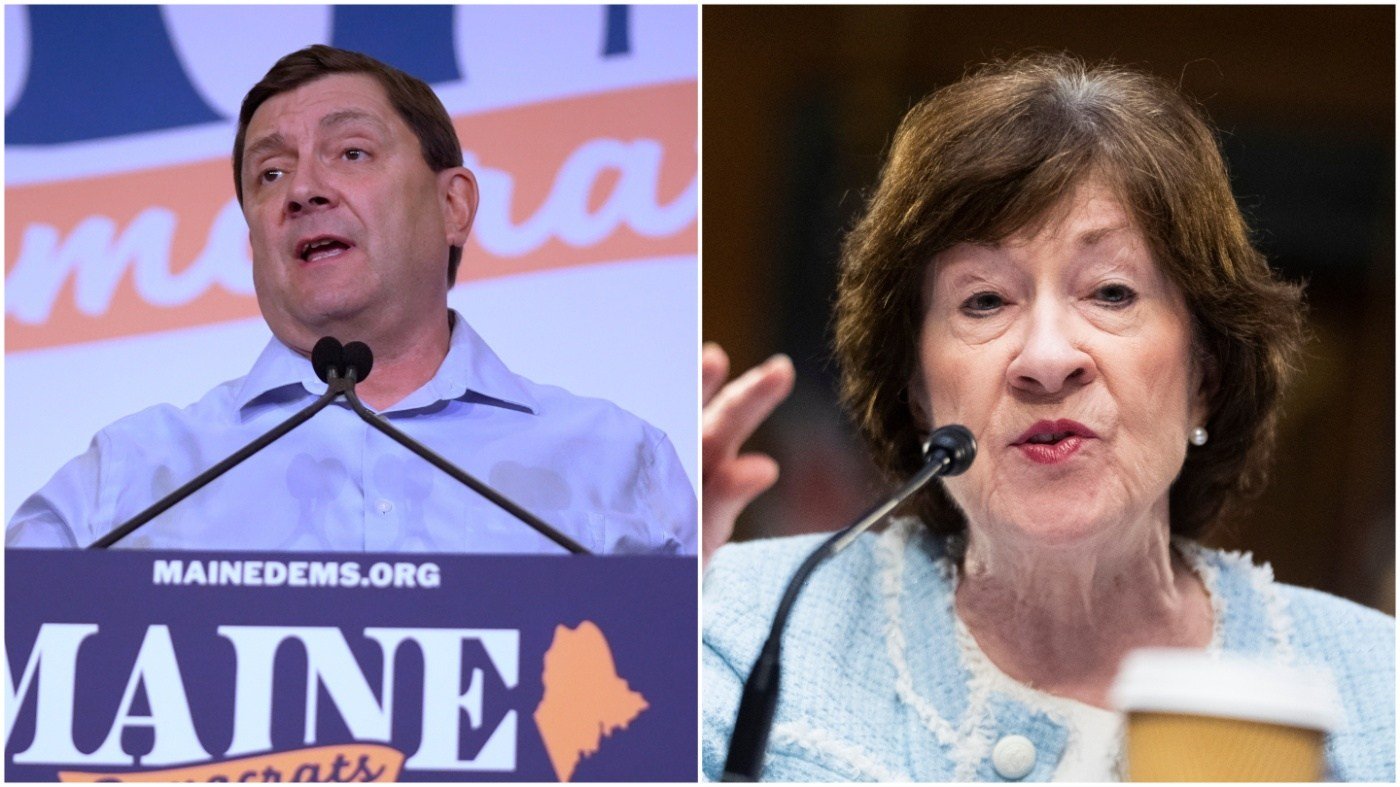
Democrats also grappled with scandals within their own ranks. Maine Senate candidate Graham Platner faced fresh revelations of vulgar Reddit posts, including sex-themed comments, compounding earlier controversies over a Nazi-inspired tattoo. In Texas, candidate Maureen Galindo called for imprisoning “American Zionists,” prompting Reps. Josh Gottheimer and Jared Moskowitz to pledge daily expulsion votes if she wins. The party’s response has been swift condemnation, but the distraction comes at a cost. As Newsom leads Democrats in call to name 'villains' in anti-Trump strategy, these internal crises divert attention from the party’s core message.
The Botched Autopsy
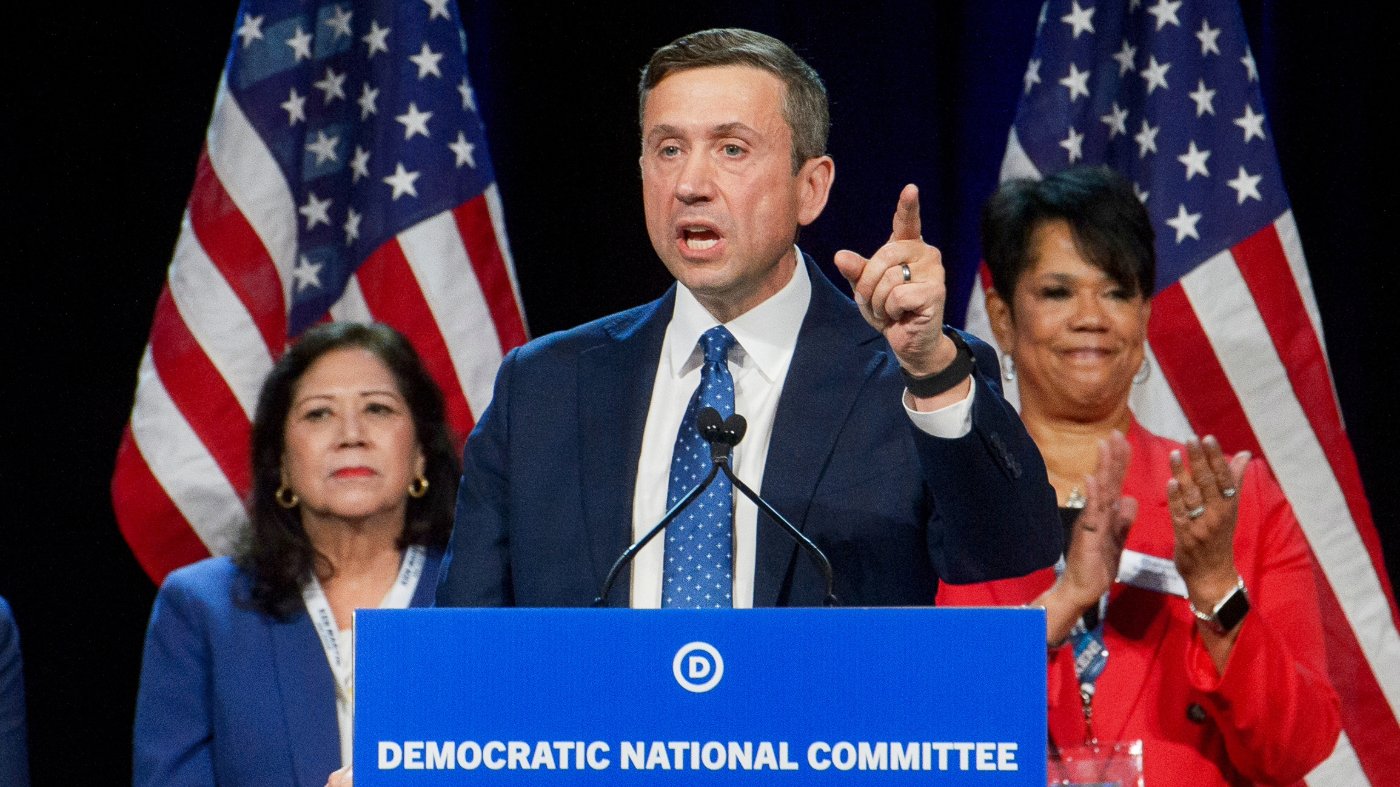
The week’s biggest blow came with the DNC’s release of its 2024 election autopsy, which criticized President Joe Biden’s effectiveness and his failure to position Kamala Harris. The report drew bipartisan condemnation, with progressives and moderates alike slamming its tone and timing. DNC Chair Ken Martin acknowledged missteps in the rollout, raising questions about his leadership. The autopsy’s release coincided with Republican infighting over Trump’s $1.8 billion “anti-weaponization” fund, which has stalled immigration legislation and exposed GOP divisions. Yet, as Colorado Democrats censure Polis for commuting election denier's sentence, the party’s own unity remains fragile.
Two Steps Forward, Two Steps Back
Ultimately, Democrats ended the week with mixed results: promising polls but persistent weaknesses. The party’s struggle to balance anti-Trump energy with internal discipline leaves it vulnerable. As Republicans grapple with their own fissures, the larger tragedy is that both parties are more focused on self-destruction than on governing. The American people are left watching two parties that, as the original analysis noted, are doing a better job tearing themselves apart than organizing for the future.