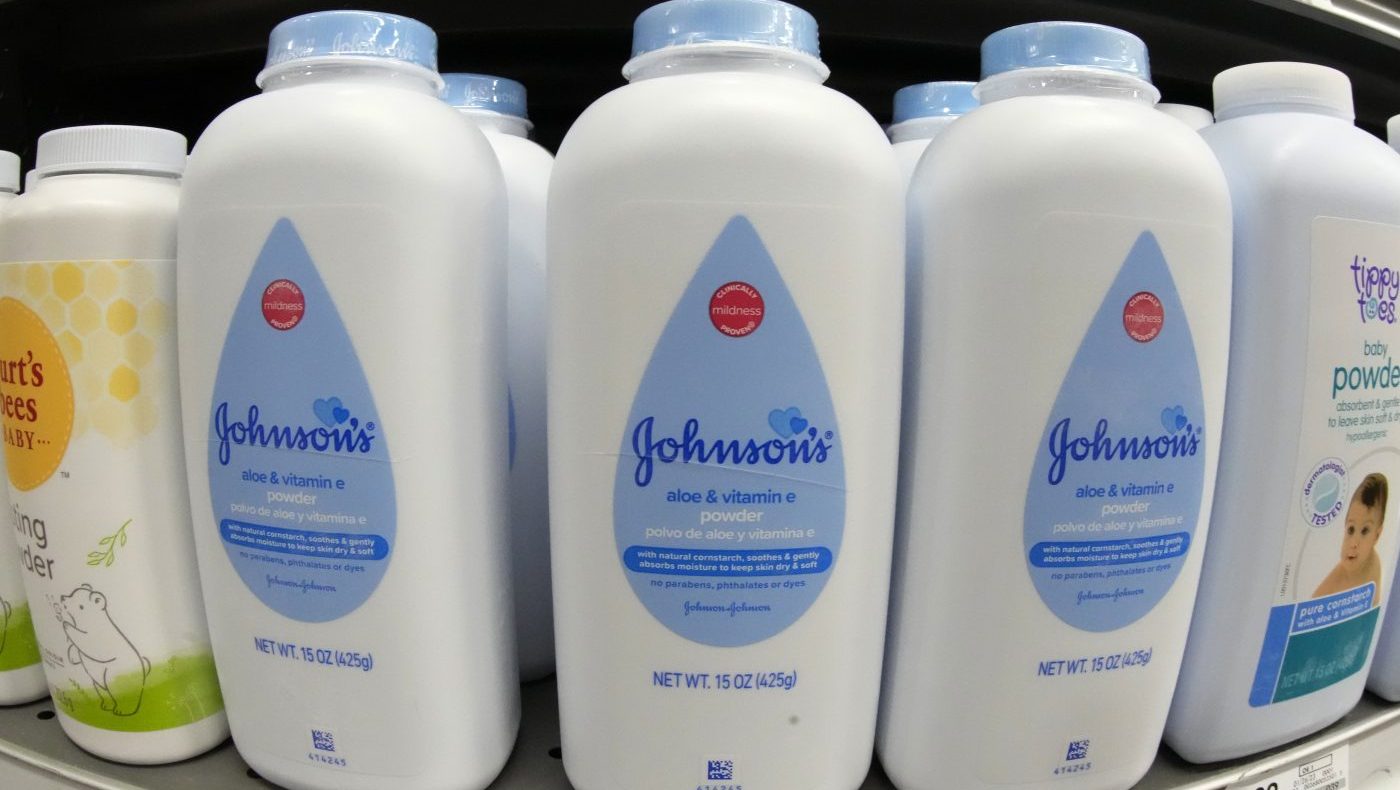
Johnson & Johnson has struck a tentative $5.5 billion deal to settle a sprawling legal battle over allegations that its talc-based products caused ovarian cancer. The proposed settlement, announced Monday, would cover approximately 76,000 claims without a cap on individual payouts, marking one of the largest corporate liability resolutions in recent years.
Under the plan, the company will make an initial payment of no more than $3 billion next year, with additional installments deferred until 2028. The agreement requires approval from at least 95 percent of claimants currently pursuing cases in state or federal court, according to Reuters.
Despite the massive payout, company officials maintain the allegations lack scientific backing. Erik Haas, J&J’s worldwide vice president of litigation, said in a statement that the claims “lack scientific merit and were sustained only by unreliable expert opinions that could not survive rigorous judicial review.” He added, “While we are confident the Company would have ultimately prevailed with further litigation, as it has in the vast majority of cases tried to date, this resolution allows the Company to put this matter behind it.”
Plaintiffs’ attorneys argue that J&J knew its talc was mined near asbestos deposits and risked contamination. They allege the corporation concealed internal lab results showing trace asbestos, failed to warn consumers, and marketed the product as safe for decades. Asbestos exposure is linked to severe illnesses, including mesothelioma, lung cancer, and asbestosis, with ovarian cancer also tied to the mineral.
J&J stopped selling talc-based products six years ago, switching to cornstarch alternatives. The settlement, if finalized, would end a legal saga that has dragged on for over a decade, affecting thousands of women and their families. The company’s decision to settle, even while denying liability, reflects the growing pressure from mass tort litigation.
The deal comes amid broader legal and regulatory battles for J&J, which has faced similar claims over its baby powder and other talc products. Critics have pointed to the company’s history of fighting scientific evidence, while supporters note that most court cases have ended in J&J’s favor. The settlement’s structure, with delayed payments, could also help the company manage its financial obligations.
For claimants, the payout offers a potential resolution after years of uncertainty. However, the requirement for near-unanimous approval means the deal is far from guaranteed. If it fails, the litigation could drag on, potentially leading to more trials and appeals.
The case has drawn attention to broader issues of corporate accountability and public health. As Trump's 2025 aid cuts threaten decades of HIV progress, similar debates over corporate responsibility continue to shape policy. Meanwhile, the Trump EEOC's dropped subpoena for a Penn Jewish employee list highlights ongoing tensions in regulatory enforcement.
J&J’s shift to cornstarch has not ended the controversy, as some activists call for stronger oversight of consumer products. The settlement, if approved, could serve as a precedent for how companies handle mass tort claims in the future, balancing financial risk with reputational damage.