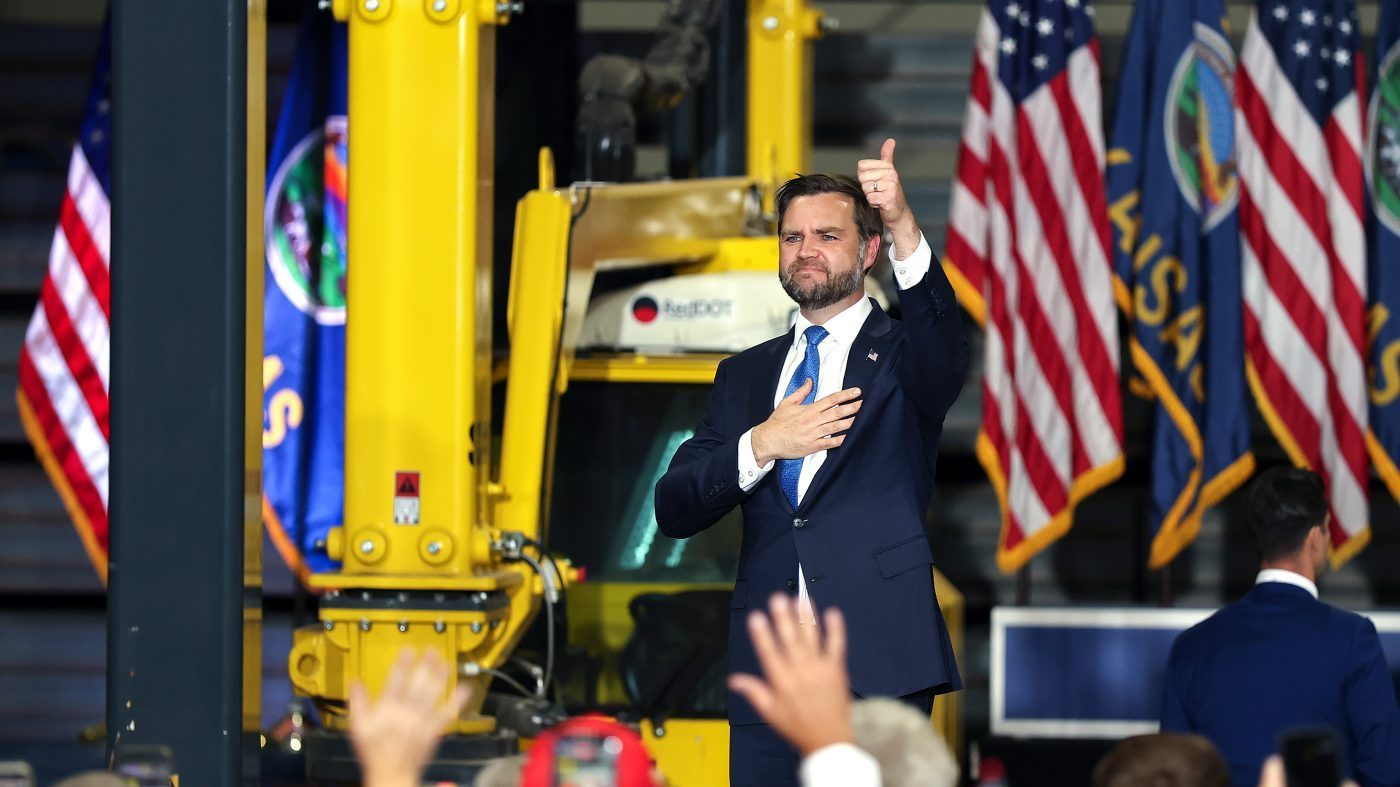
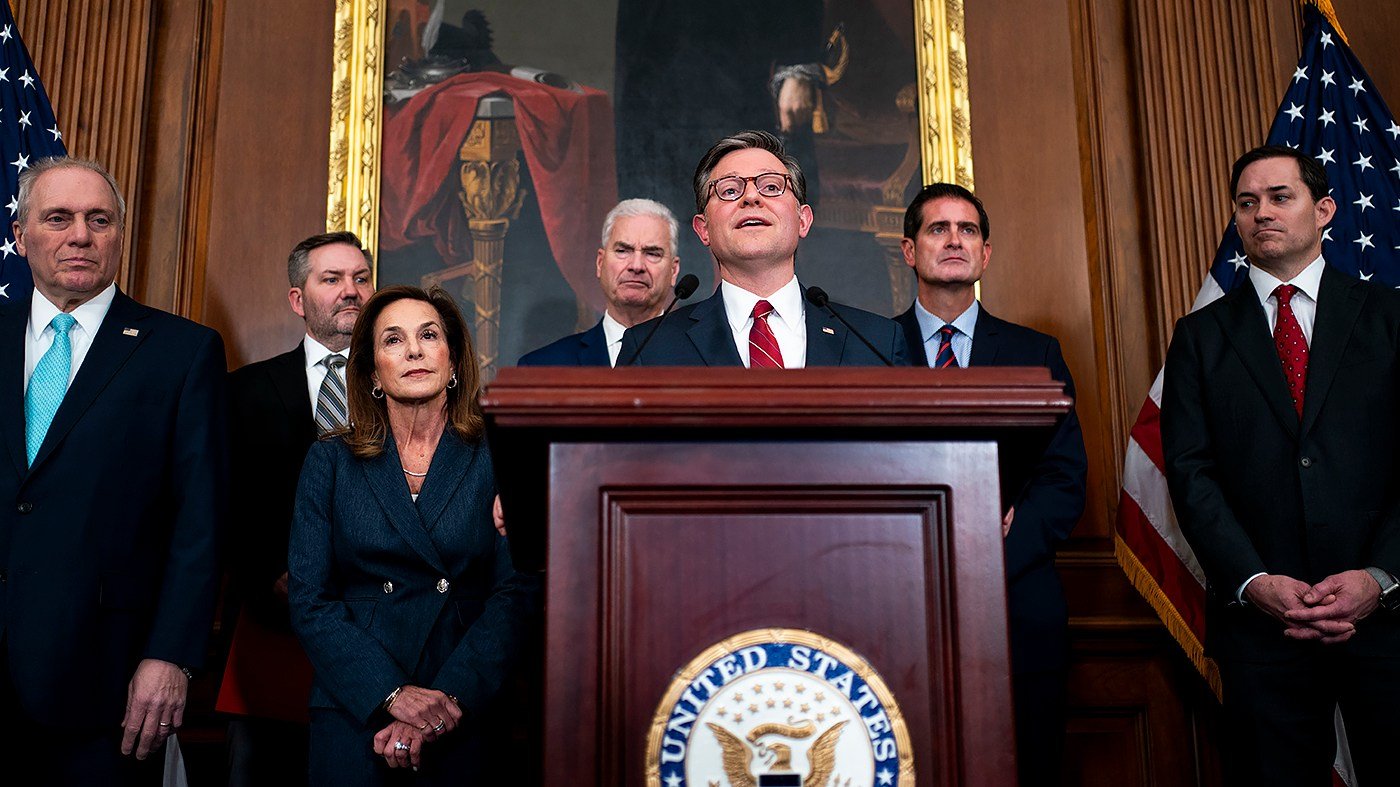
President Trump's recent social media post declaring "Mission Accomplished" regarding Iran—complete with an AI-generated image—has drawn sharp criticism, not least because the mission is far from over. Iran retains nuclear capabilities, and missile attacks continue near the Strait of Hormuz. The echo of George W. Bush's infamous 2003 aircraft carrier banner is unmistakable, and that historical parallel has become a political liability.
Yet beneath the bravado, there's a more telling maneuver: Trump appears eager to change the subject. Rather than confront the complexities of an ongoing conflict he once dismissed as "small potatoes," the president is increasingly spotlighting his role as the "builder-in-chief," a title his administration has embraced. From the White House ballroom to a proposed triumphal arch, Trump is showcasing a series of capital renovation projects that he says will beautify the nation.
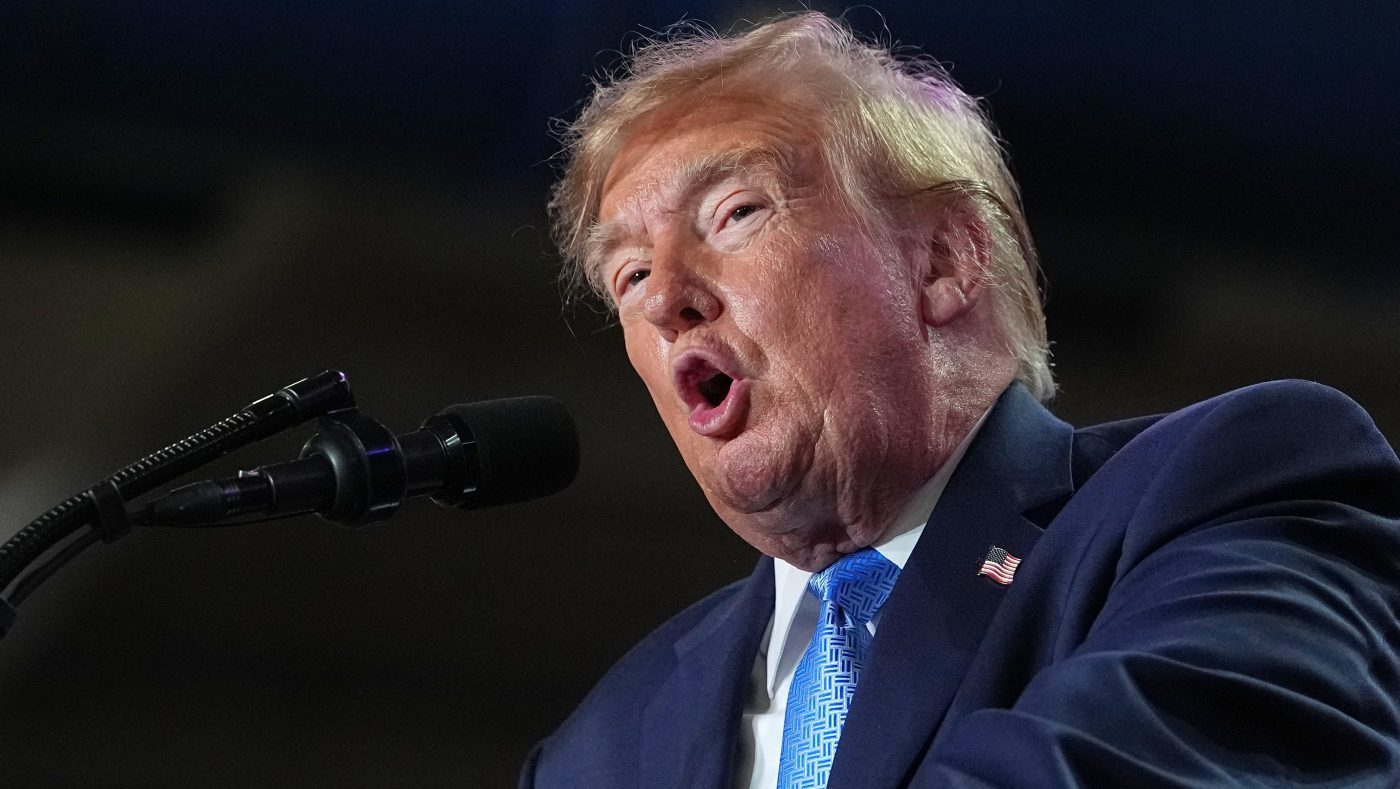
The New York Times reports that Trump is most animated when discussing design details—column sizes, gold leaf, and the like—and aides confirm his enthusiasm for these projects. A White House spokesman boasted, "Thanks to the Builder-in-Chief, no other president has done more to beautify our nation's interior than President Trump." But this focus on aesthetics raises a question: Is it a genuine passion or a strategic diversion?
Political analysts note that building projects offer tangible, controllable outcomes—blueprints, dimensions, and visible progress—unlike the messy, unpredictable nature of war. As Bush's legacy in the Middle East demonstrates, conflicts rarely follow a script, and enemies don't adhere to timelines. Trump's preference for talking about columns and reflecting pools over missile strikes is telling.
The president's renovation agenda includes painting the Eisenhower Executive Office Building's granite exterior white, renaming the Kennedy Center with his own name, and constructing a garden with statues of 250 notable Americans. These projects, while significant, pale in comparison to the stakes in the Gulf. Yet Trump has shown little appetite for discussing the endgame in Iran, instead doubling down on his self-proclaimed expertise: "I'm a really good builder," he told reporters earlier this year. "The thing I do best in life is build."
This pivot is not without political calculation. With ethics questions swirling around his administration and midterm battles looming, Trump may see construction as a safer narrative than foreign policy. The "Mission Accomplished" debacle, which drew comparisons to Bush's misstep, has only intensified the scrutiny. As one critic noted, "When you declare victory prematurely, inconvenient things keep happening—missiles still fly, ships still get attacked."
In the end, Trump's enthusiasm for his ballroom and arch may reveal more than a fondness for aesthetics. It underscores a preference for controllable, tangible achievements over the unpredictable nature of statecraft. The question remains: Can a president distract from a war by touting renovations? History suggests the public eventually looks beyond the marble and gold, but for now, Trump seems content to build while the world watches the Gulf.