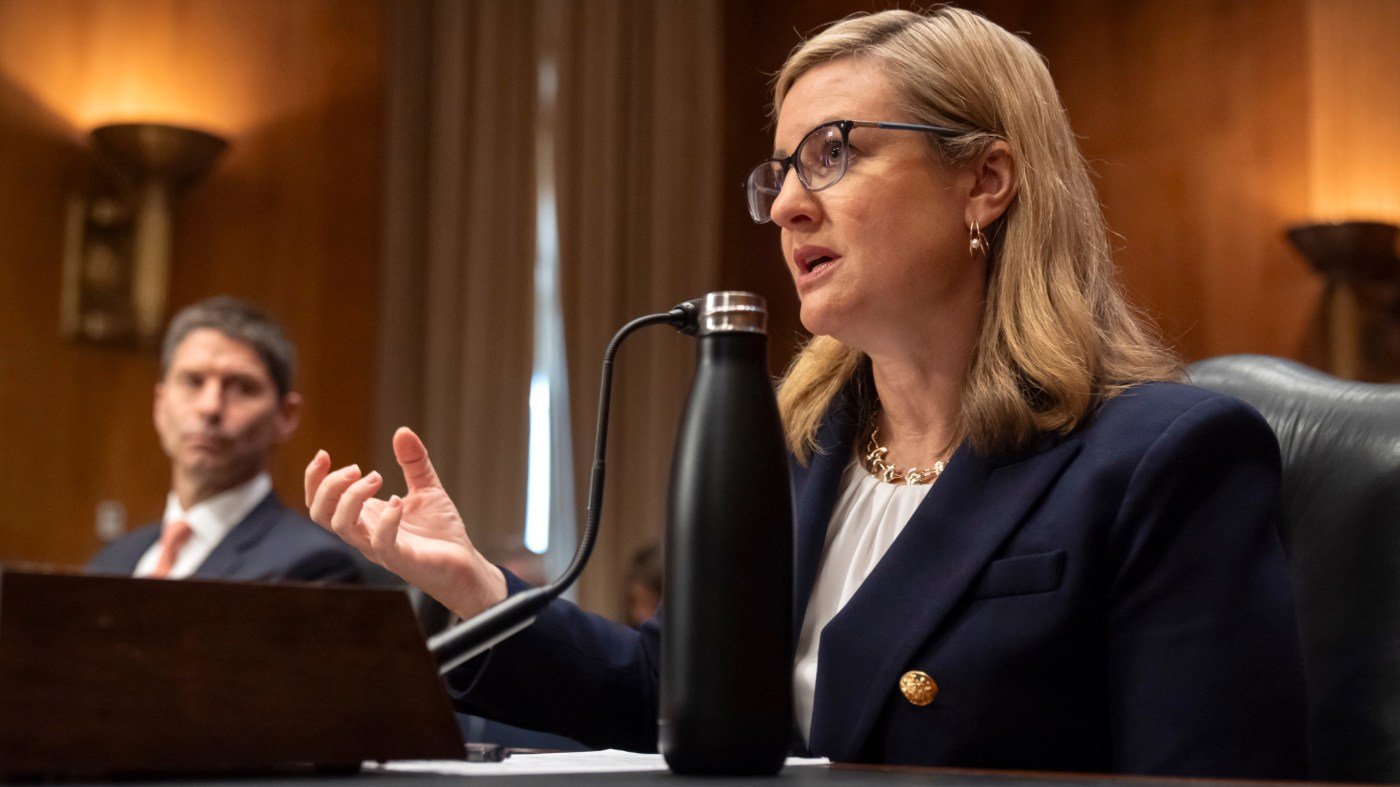
Iranian citizens are increasingly concerned their nation could face an outcome similar to the chaotic U.S. withdrawal from Afghanistan, according to prominent author and journalist Tara Kangarlou. In a television interview, Kangarlou stated that ordinary Iranians feel trapped between what she described as a brutal domestic dictatorship and a lack of coherent long-term policy from the United States, leaving them uncertain about what follows the current conflict.
Afghanistan Parallels Drive Public Anxiety
Kangarlou specifically referenced the disastrous 2021 American exit from Afghanistan, which saw the Taliban rapidly reclaim power amid scenes of chaos at Kabul's airport, the abandonment of U.S. military equipment and local allies, and the loss of American service members. "Now, the people of that country are wondering whether their story will end like Afghanistan," Kangarlou said during her appearance on NewsNation. She warned that a potential deal leaving Iran's governing system intact could mirror the U.S. experience in Afghanistan, where two decades of intervention concluded with the original adversary returning to power.

Trump's Negotiations and Regime Change Rhetoric
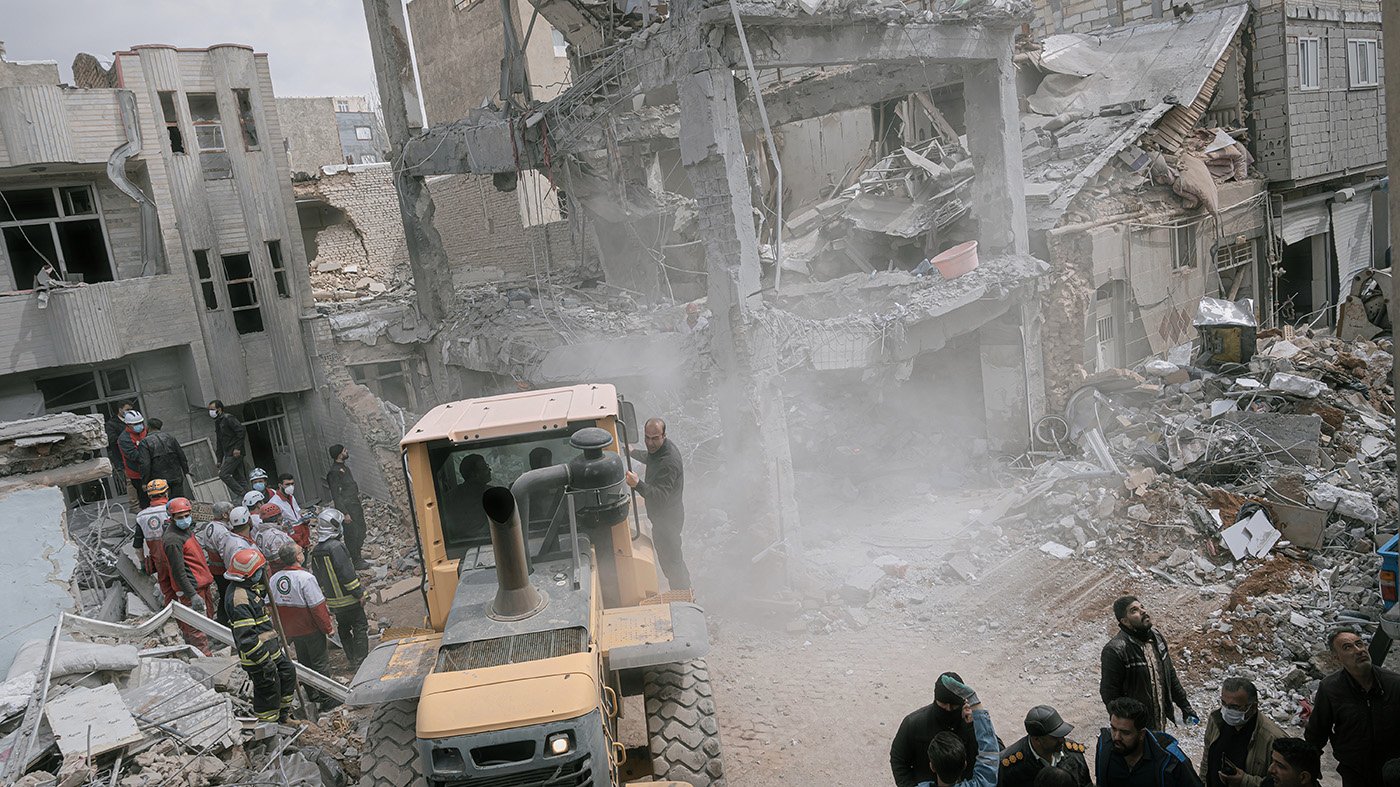
The comments follow former President Donald Trump's announcement that the U.S. and Iran are negotiating a "complete and total resolution" of hostilities. Trump has publicly encouraged Iranian citizens to overthrow their government for months, renewing that call after joint U.S.-Israeli strikes targeted Iranian military, nuclear, and leadership sites in late February. However, Iran publicly rejected a 15-point American ceasefire proposal this week, presenting a counteroffer instead. The U.S. proposal's details remain unclear, including whether it advocated for regime change.
Kangarlou pointed to a January promise from Trump that help was "on its way" as Iran's government cracked down on internal dissent. This has led to questions among Iranians about the nature and reliability of American support, especially as the regime has shown resilience despite sustained military pressure. Director of National Intelligence Tulsi Gabbard recently testified that Iran's leadership remains "degraded, but intact" after Israeli strikes eliminated several top military and political figures.
Broader Policy and Security Implications
The situation highlights a significant policy divide in Washington, where congressional efforts to constrain presidential war authority regarding Iran have failed along partisan lines. Meanwhile, regional security continues to deteriorate, with neighboring states like the UAE enduring sustained missile barrages from Iranian forces, altering the Gulf's security calculus.
Kangarlou's warning underscores a central dilemma: whether a diplomatic resolution that preserves the current Iranian power structure would constitute a strategic failure akin to the Taliban's return in Kabul. The potential for such an outcome raises profound questions about the long-term goals of U.S. intervention and the fate of the Iranian populace. This strategic uncertainty is compounded by other foreign policy challenges, including controversial sanctions reversals that some analysts compare to past blunders.
Further complicating the landscape are reports of strikes near sensitive nuclear sites, prompting the International Atomic Energy Agency to issue warnings about nuclear safety risks. The combination of military action, diplomatic maneuvering, and internal repression creates a volatile mix where the civilian population bears the greatest risk. As negotiations proceed, the shadow of Afghanistan's collapse looms large over both Tehran and Washington, shaping perceptions and fears about how this conflict will ultimately conclude.