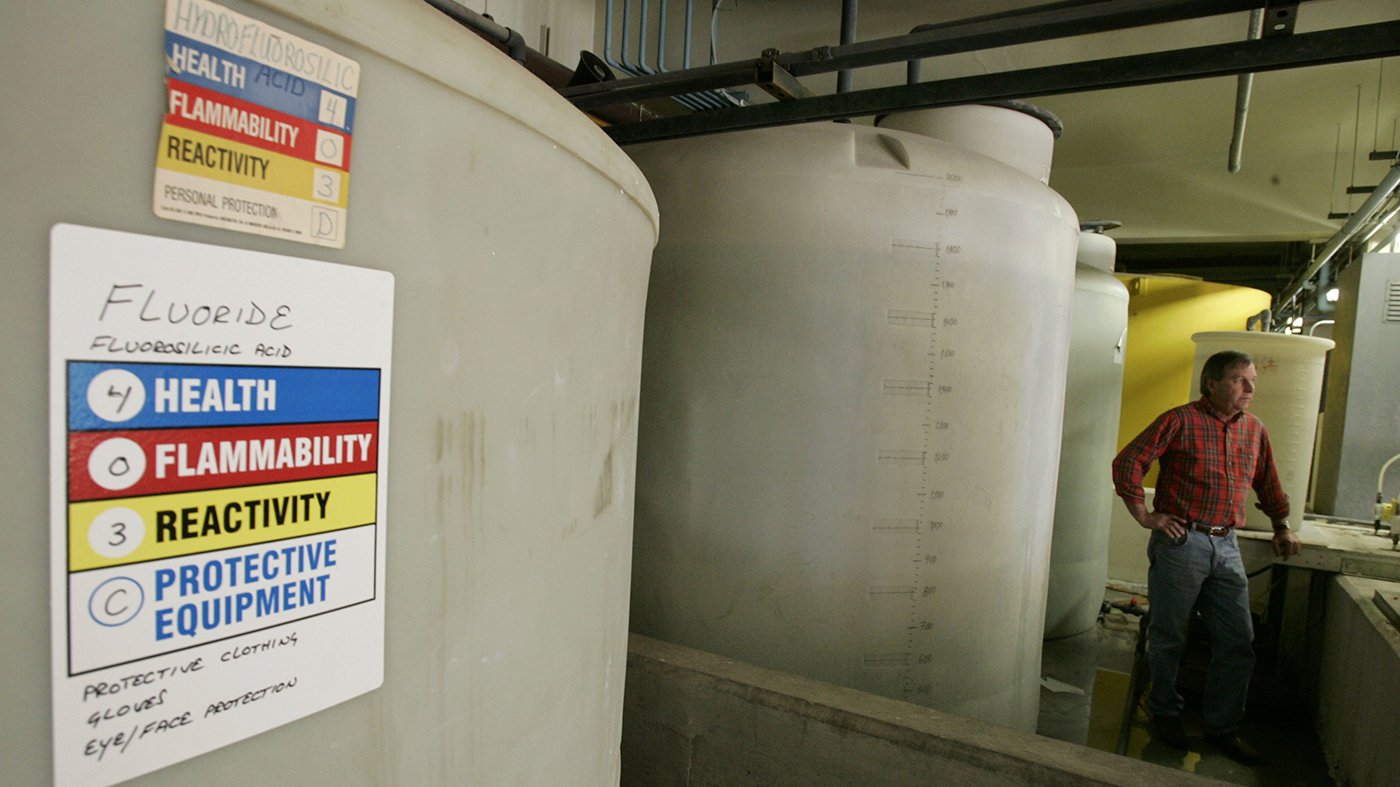
The ongoing conflict in Iran is disrupting global supply chains for fluoride, a key additive in public water systems, forcing local governments in the United States to reduce concentrations of the cavity-fighting agent. Two major water utilities serving the Baltimore and suburban Washington, D.C., areas announced this month they would temporarily lower fluoride levels, citing the Middle East war as the root cause of a nationwide shortage. A town in Pennsylvania also halted fluoridation for several weeks, directly linking the decision to the conflict.
Chemical suppliers and industry trade groups attribute the shortage to a combination of supply chain disruptions and rising transportation costs stemming from the war in Iran. Emily Horne, a spokesperson for Pencco, which supplies the Baltimore-area waterworks, noted that "some of the suppliers around the nation have either taken their supply offline or severely shortened it, or it's gone into other streams, like not to municipal streams. And there's only a few fluoride manufacturers in the nation."

Impact on Water Systems
The Baltimore Department of Public Works said it would lower fluoride concentration from the federally recommended 0.7 mg/L to 0.4 mg/L, blaming "broader national supply chain disruptions, driven in part by ongoing conflict in the Middle East." The war in Iran and the standoff in the Strait of Hormuz have directly affected U.S. fluoride supplies because Israel is a major global supplier of fluorosilicic acid, the chemical used in water fluoridation.
A 2022 Environmental Protection Agency risk assessment identified Israel as the second-largest exporter of inorganic acids, including fluorosilicic acid, shipping an estimated 40 million kilograms annually. China leads the market, followed by Poland, Germany, and Malaysia. The United States ranked fourth among importers of the chemical.
Supply Chain and Industry Response
Eric R. Byer, president and CEO of the Alliance for Chemical Distribution, blamed the delays on rising shipping surcharges. "Unpredictable and rising transportation costs threaten the delivery of essential chemical products that countless U.S. industries and municipal systems use every day," Byer said in a statement. "With ocean carriers imposing unjustified and unclear surcharges, ACD encourages regulators to continue to use their authority to protect American shippers."
The Society of Chemical Manufacturers and Affiliates warned that global supply chains can be quickly disrupted, echoing lessons from the COVID-19 pandemic. "Domestic manufacturing is essential to ensuring reliable access to critical materials that support public health and key industries," the group said in a statement.
It remains unclear whether fluoride-containing products like toothpaste will be affected. Colgate-Palmolive and Procter & Gamble, which dominate the toothpaste market, did not respond to requests for comment. Steve Via, director of federal relations for the American Water Works Association, noted that the Israeli supplier is a "very small player" in the global fluoride market, but its gradual withdrawal over recent months has had a noticeable impact in the U.S.
Broader Context
While the U.S. is the ninth-largest exporter of fluoride and has significant domestic production capacity, Via explained that manufacturers have shifted toward more reliable markets with stable margins since 2022. Roughly 70% of Americans live in communities with fluoridated water, though there is no federal mandate; the U.S. Public Health Service only issues recommendations. Some states, including Florida and Utah, have moved to ban water fluoridation, with Florida Governor Ron DeSantis calling it "forced medication." Health and Human Services Secretary Robert F. Kennedy Jr. has also signaled plans to end federal recommendations for fluoride.
The EPA, when contacted, said its Office of Water "has a robust program to address supply chain challenges" and provides rapid technical assistance to water systems facing disruptions. The agency added it works proactively to build resilience against future supply chain issues.
As the Iran conflict continues to strain global trade, the fluoride shortage highlights how geopolitical instability can ripple into everyday public health measures in the United States. For more on how the war is affecting global energy security, see this analysis.