Five weeks into the current conflict, the Iranian regime maintains its grip on power and critical strategic positions. Despite sustained aerial campaigns from the world's most advanced air forces, Tehran continues to control its nuclear enrichment program and the vital Strait of Hormuz, having already downed two American aircraft. This display of endurance challenges initial assumptions about a rapid resolution.
The unfolding situation suggests a recurring pattern in U.S. foreign policy: a miscalculation of an adversary's capacity to withstand pressure. This mirrors protracted conflicts in Vietnam, Afghanistan, and Iraq, where American strategy failed to account for deep-seated resilience.
Historical Parallels: The Cost of Underestimation
Confident rhetoric from U.S. officials has downplayed the potential for a grueling engagement. Senator Lindsey Graham (R-S.C.), for instance, dismissed concerns about a protracted battle for Kharg Island by invoking the WWII battle of Iwo Jima, a victory that cost nearly 7,000 Marines their lives. This comparison overlooks a more relevant historical precedent: the Iran-Iraq War.
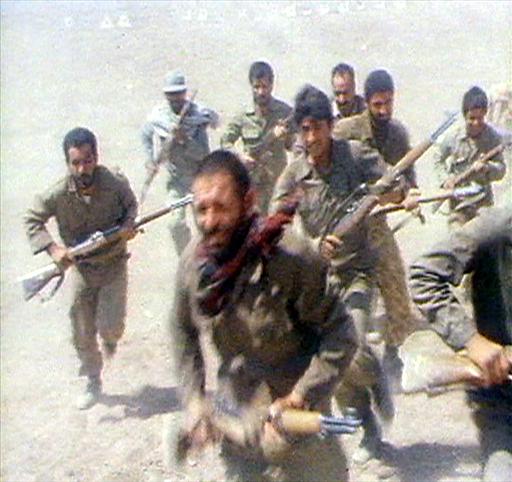
In 1980, Saddam Hussein's Iraq, backed by the Soviet Union, France, and indirect U.S. support, launched a surprise invasion. What followed was an eight-year war of staggering brutality. Iran, despite facing a more technologically advanced military and chemical weapons attacks, eventually repelled the invasion. The cost was horrific, with hundreds of thousands of Iranian soldiers killed. The regime, then newly established under Ayatollah Khomeini, mobilized the population with potent religious fervor.
A Doctrine of Brutal Sacrifice
Iran's tactics during that war were notably ruthless. The government recruited tens of thousands of child soldiers, some arguing for the honor of being first to detonate enemy landmines in human wave attacks. "We loved Imam Khomeini and we were happy to answer his call," one former 15-year-old soldier recalled. "I think we went with joy." This willingness to absorb catastrophic losses for ideological ends defined Iran's military doctrine and demonstrated a national resilience that outside powers have repeatedly failed to appreciate.
The unlearned lesson is clear: Iran represents a uniquely dangerous adversary when cornered. While the religious zeal of the 1980s may have diminished, the regime's ruthless instinct for self-preservation remains intact. This was evidenced earlier this year by its brutal crackdown on domestic protests, where security forces killed an estimated 30,000 people. Medical personnel reported injuries demonstrating "a brutality without limit—both in scale and in method," including close-range gunshots and targeted stabbings.
Mobilizing for a Modern Conflict
Today, Tehran is reportedly channeling the spirit of the 1980s war to mobilize its population against the U.S. and Israel. The government has launched drives to recruit millions, including children, and organized hundreds of pro-regime rallies since hostilities began. The collateral damage from airstrikes on civilian infrastructure has had the unintended effect of fracturing the Iranian opposition, making internal regime change an increasingly remote possibility.
President Trump's cavalier rhetoric—such as remarking that sinking Iranian ships is "more fun" than capturing them—fails to prepare the American public for the potential scale of sacrifice required in a prolonged conflict he initiated. This approach risks repeating the error of viewing Iran through a lens of conventional military superiority, ignoring the historical record of its asymmetrical endurance.
The path forward remains uncertain. However, the initial phase of this conflict has already validated a central, overlooked truth from the 1980s: Iran's strategic patience and willingness to endure suffering pose a fundamental challenge to military campaigns predicated on shock and rapid victory. As the nation watches developments abroad, other stories command attention, such as Savannah Guthrie's return to television amid a personal family crisis. Meanwhile, professionals assessing their futures might consider a recent study on the variable financial returns of advanced degrees, a calculation of risk and reward not unlike that facing policymakers in the current geopolitical standoff.