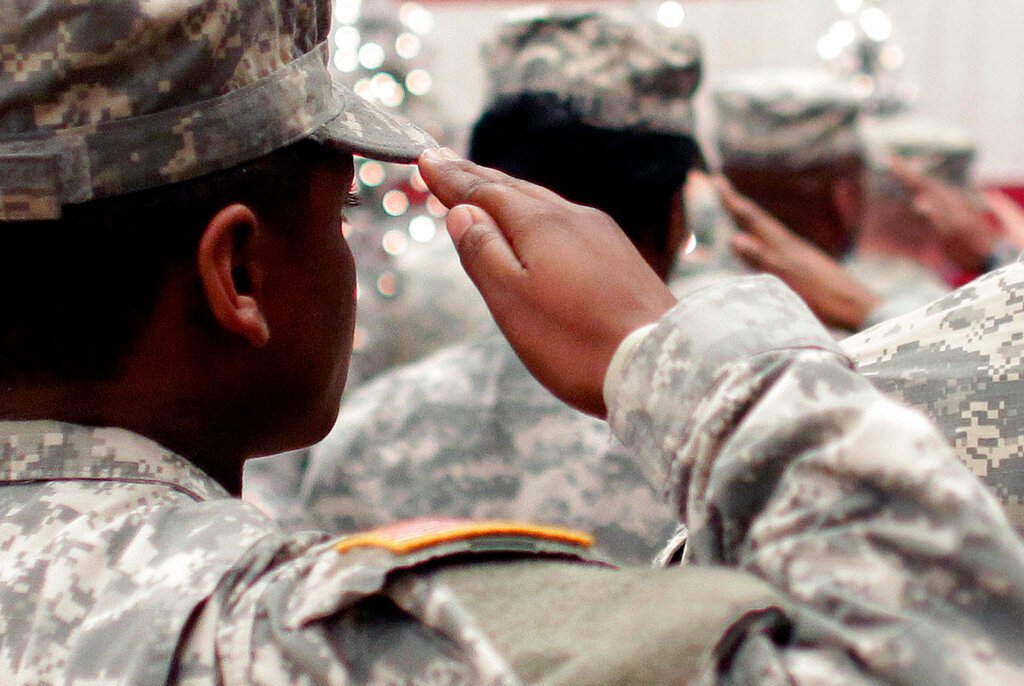
Back during the Super Bowl in Los Angeles, I was assigned to cover military pilots performing the flyover. While waiting at Los Alamitos, I ran into a fellow Marine who had served in Iraq at the same time as me. We swapped stories, vented, laughed, and tried to make sense of our experiences. I told him, 'I really hope we don't make the same mistakes again.' He looked at me and said, 'I hope not either, but we definitely will.'
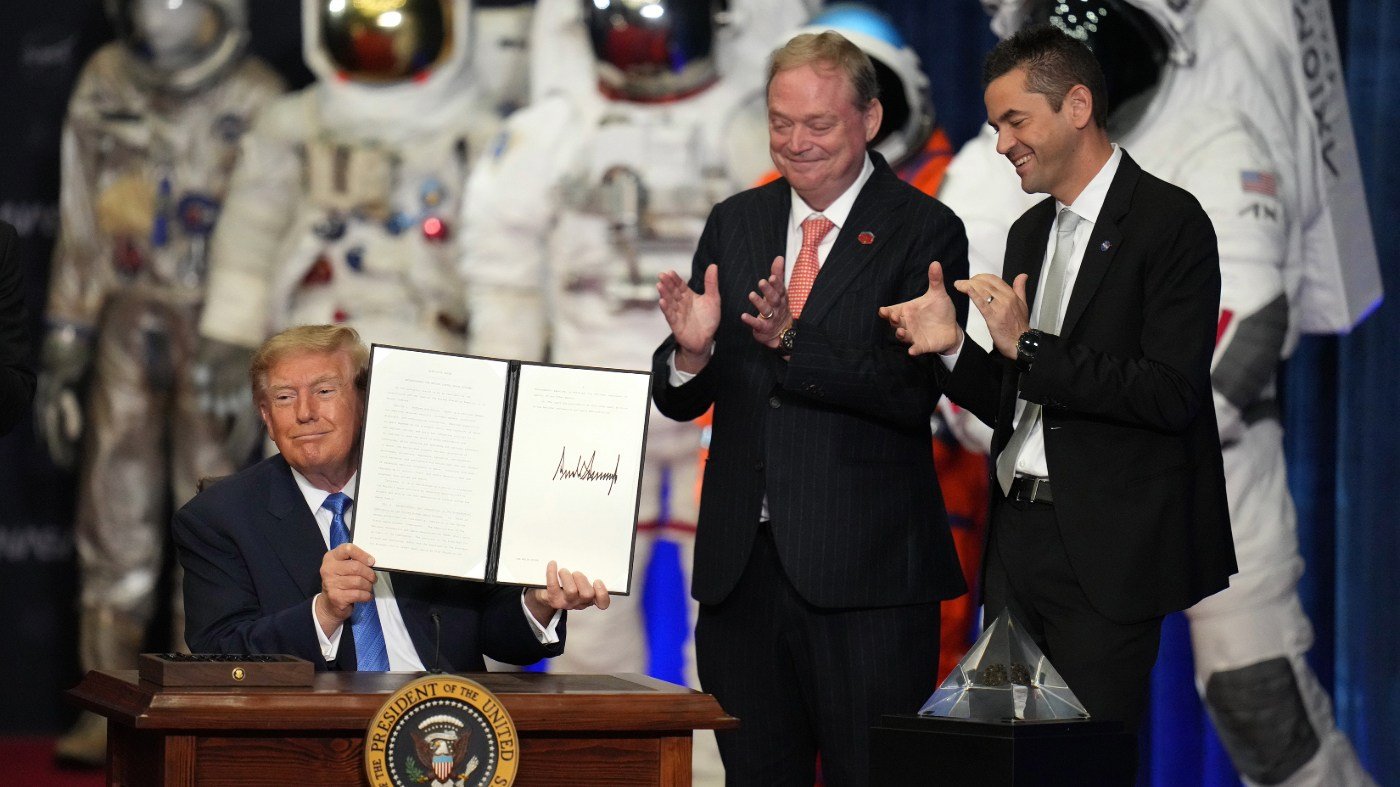
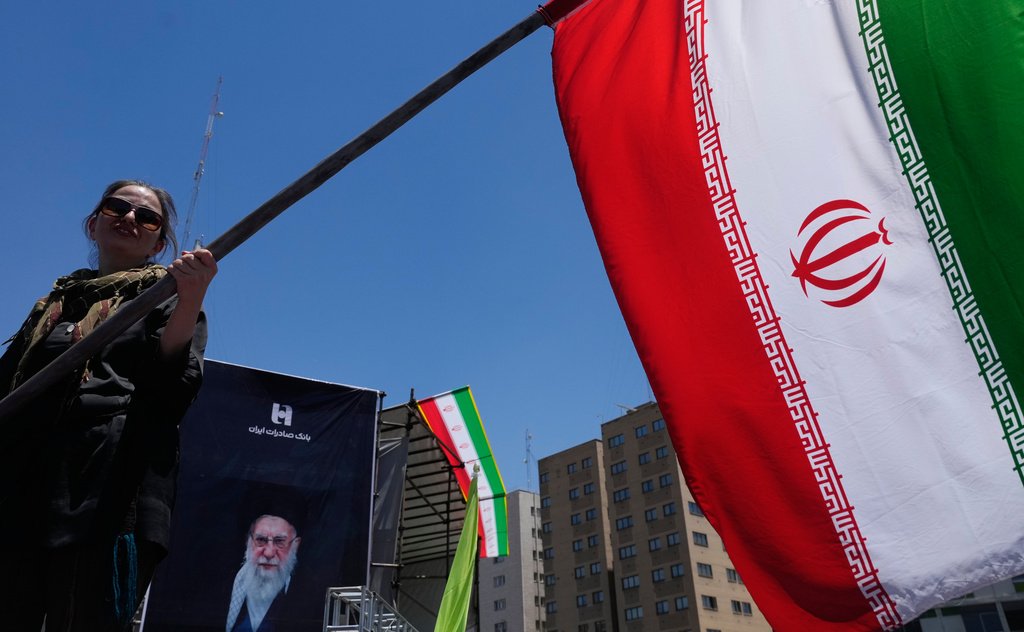
That conversation came back to me as the conflict with Iran—labeled everything from a war to an 'excursion'—appeared to reach a shaky conclusion when President Trump announced a ceasefire. But the administration was deliberately vague on the terms, leaving politicians, pundits, and the public guessing. With both sides still trading blows, it's clear this isn't a real peace. No one can honestly sell this as a victory, no matter how much MAGA loyalists claim otherwise.
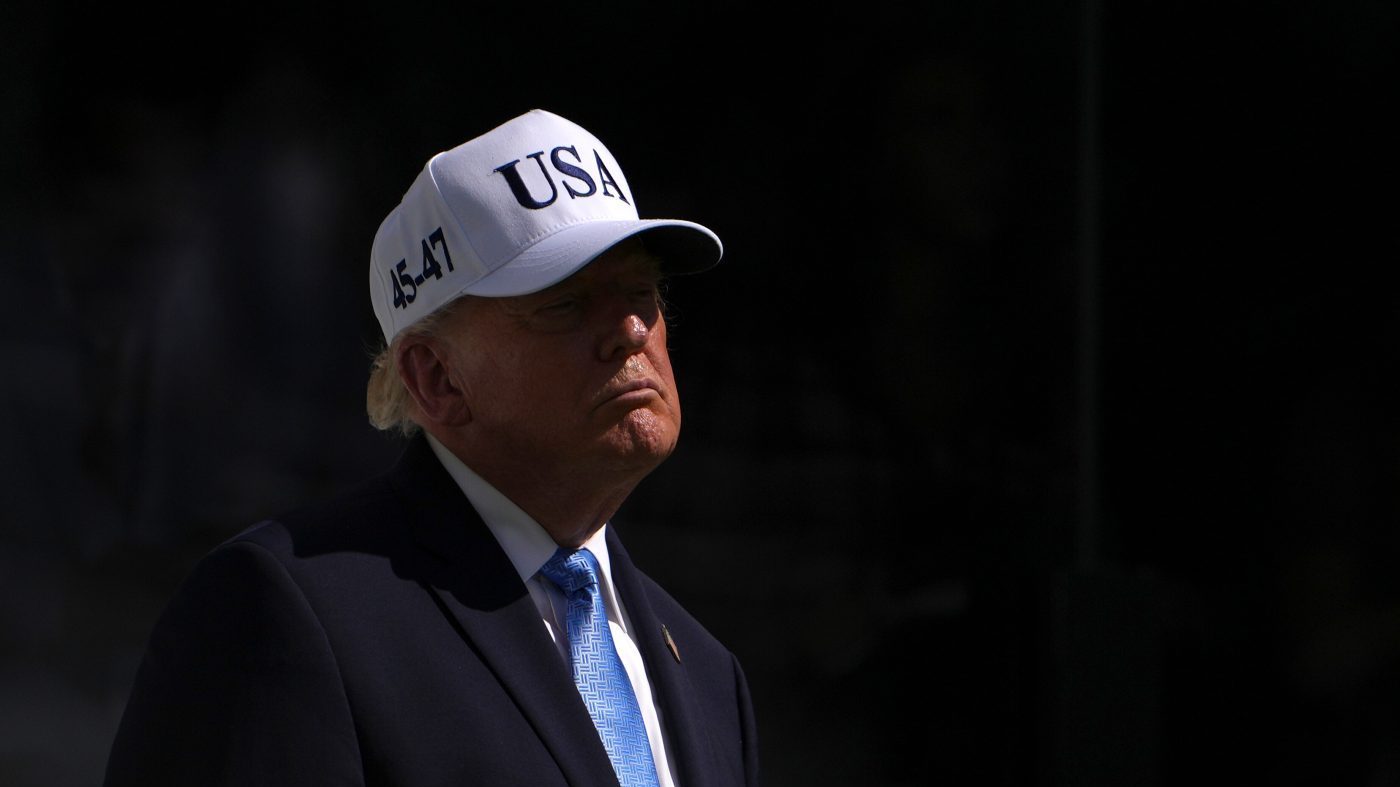
It remains uncertain whether Iran will get everything it wants or the U.S. will secure any of its demands. The nuclear question is unresolved. The Iranian regime remains intact—despite Trump's claim that the 'bad ones' are gone. Their missiles still threaten the region, their proxy terrorist groups continue operating, and they can choke off the Strait of Hormuz at will. Some MAGA voices argue the U.S. can always resume bombing if Iran fails to deliver. But if the bombing starts, the oil stops. And that hurts the global economy more than it hurts Tehran.
America's military history is often taught as a series of triumphs: the Revolution, the Civil War, World Wars I and II, and decisive victories over Mexico, Spain, and Iraq in Desert Storm—even if the pretexts for some were shaky. But we've never come to terms with the wars that went badly. Korea ended in a stalemate that lingers. Vietnam was supposed to stop communism; now we trade with a communist Vietnam. As an Iraq War veteran, I struggle to explain how we 'won' that war—we just left, but somehow still have troops there. And no one can call Afghanistan a win after how it ended.
I know many Vietnam veterans, and now Iraq and Afghanistan veterans, who have struggled to make sense of their service. It's hard to fight for your country only to realize you're really fighting for your buddies, and the mission wasn't as noble as advertised. Those wars began with good intentions—stopping communism, targeting terrorists after 9/11. But they morphed into conflicts designed to let politicians save face.
The U.S. prolonged Vietnam because leaders refused to accept communist victory. We stayed in Afghanistan even after killing Osama bin Laden, knowing the Taliban would return. Extending those wars made things worse in the long run. You'd think we'd learn from Vietnam, Iraq, and Afghanistan. Iran proves we haven't.
We have the most powerful military, with brave men and women using cutting-edge technology. But we still have politicians who get their military expertise from movies, Navy SEAL memoirs, and their own delusions. We should have learned that technology has limits—you can't 'shock and awe' people into submission. We should have learned that every potential war needs an endgame with all contingencies mapped out. We should have learned that while wars sometimes happen, we should avoid charging headfirst into them.
Hundreds of Americans were wounded in this Iran conflict, and many more suffered psychological stress. They'll return home to process their experiences. For some, the embarrassment of Trump's actions will lead them to downplay their service. For others, it may mean avoiding help for issues that will surface.
Our politicians never seem to learn the lessons of war. There's a human toll beyond death. Sending men and women into pointless conflicts with poor leadership just hurts veterans and the systems meant to support them. Maybe we can start supporting the troops by not sending them on excursions for politicians' egos.