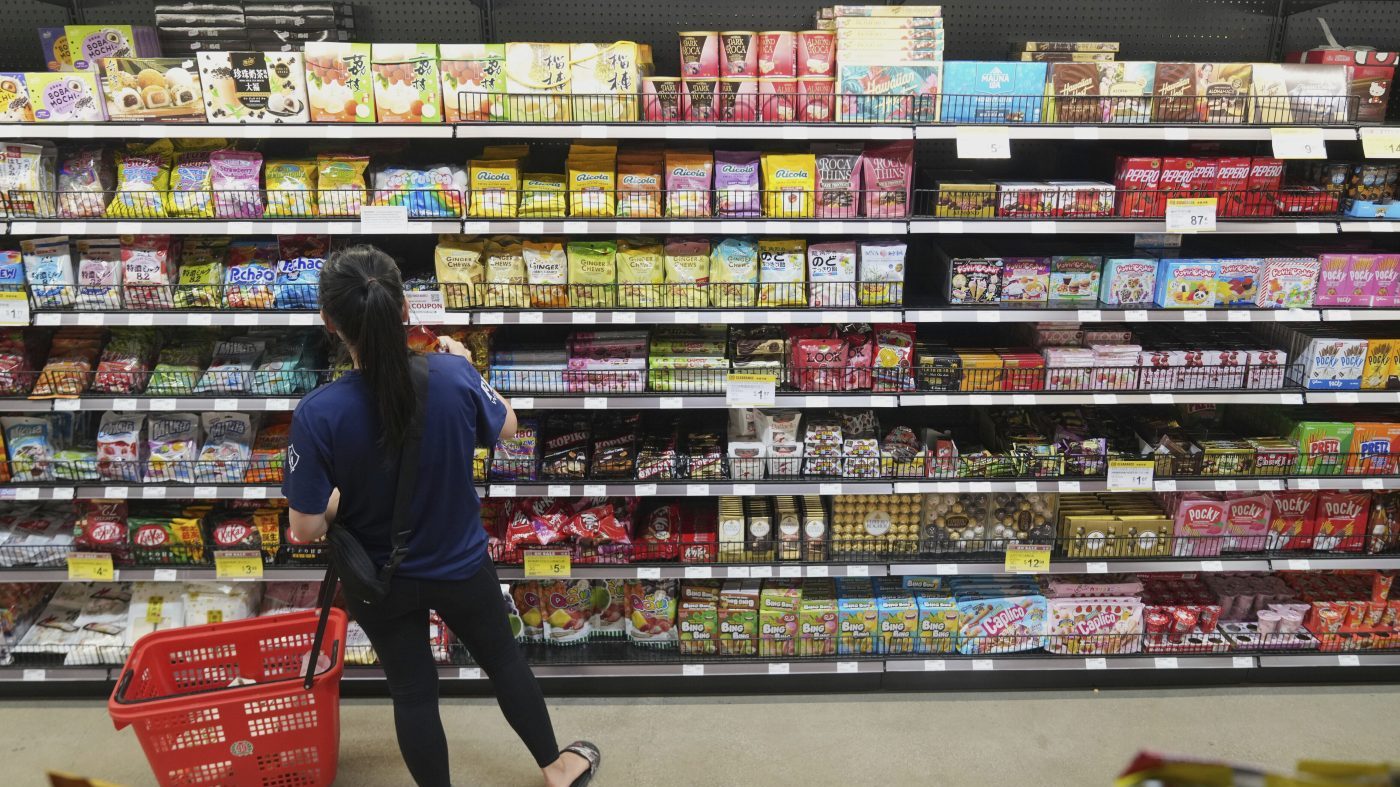
A fresh Marquette University Law School poll reveals that inflation and the cost of living have solidified their position as the dominant political concern for Americans, overshadowing both the economy and the ongoing conflict with Iran. The survey, released Wednesday, shows 35% of adults name rising prices and everyday expenses as the nation's most pressing problem, while the broader economy trails at 15%.
The Iran war, which has been a persistent worry since its onset, has slipped to just 10% on the priority list—its lowest level in the three months since the poll began tracking it. All other issues, including Medicare and Social Security, the proposed SAVE American Act, healthcare, immigration, housing affordability, crime, and abortion policy, each garnered less than 10% support.
Since January, the combined category of inflation and cost of living has consistently ranked as either the first or second most important issue for a majority of Americans—56% in the latest survey. This persistent concern comes despite a slight cooling in price pressures; the personal consumption expenditure (PCE) price index, the Federal Reserve's preferred inflation gauge, dipped to 3.7% in June from 4.1% in May, according to the Bureau of Economic Analysis.
The Fed has held its benchmark interest rate steady for five consecutive meetings, though three regional bank presidents dissented in late July, advocating for another hike to combat still-elevated inflation. That decision comes as only 28% of Americans describe the national economy as being in good or excellent shape, a sentiment that could shape the upcoming election cycle. The Fed's rate stance amid war-driven inflation fears remains a delicate balancing act.
Meanwhile, the Iran conflict, now approaching its sixth month, has seen a notable shift in public opinion. Three-quarters of respondents (75%) now say the war is not worth the cost, up from 72% in June. Moreover, 88% believe the U.S. has not achieved its goals in Iran, a significant jump from 81% earlier this summer. The Pentagon's announcement Tuesday of new contracts to expand production of missile interceptor components—used heavily in Iran after nearly exhausting THAAD interceptors—underscores the ongoing military commitment.
The survey's findings on economic anxiety align with other recent polling, such as Democrats holding a narrow edge over Republicans on economic trust, though the overall mood remains grim. The disconnect between official inflation data and public perception is a key political vulnerability for the administration, as critics accuse the White House of gaslighting voters about their financial realities.
Looking ahead, the persistence of cost-of-living concerns could complicate the Federal Reserve's path, especially as potential Fed leadership faces a crucial test on inflation promises. The Marquette poll, conducted July 22-29 among 1,076 adults, carries a margin of error of plus or minus 3.2 percentage points.