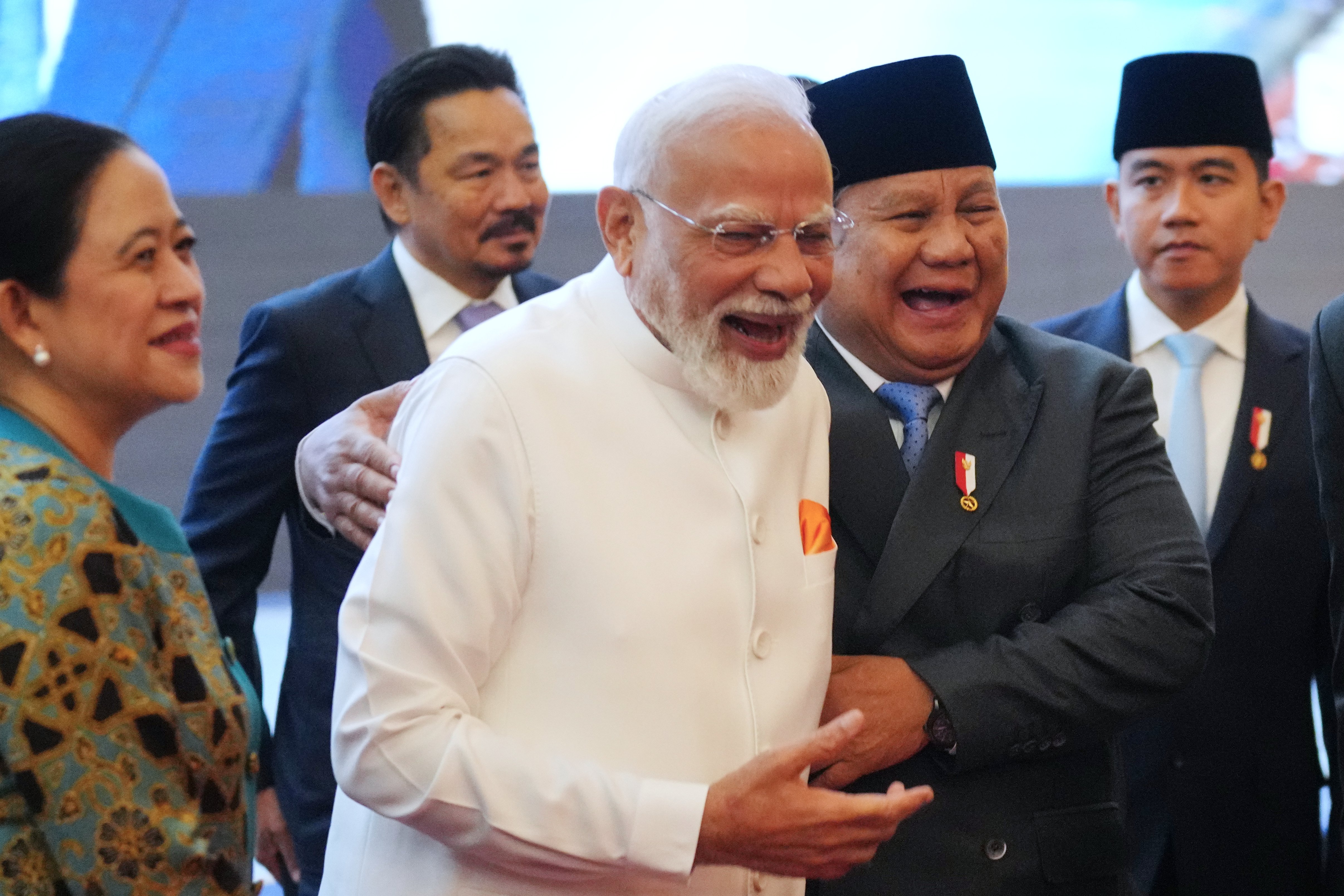
New Delhi and Jakarta are reinforcing a centuries-old economic partnership with a decidedly 21st-century focus: hydrocarbons. At a July 7 meeting in Jakarta, Indian Prime Minister Narendra Modi and Indonesian President Prabowo Subianto prioritized a major expansion of energy trade, with India seeking more Indonesian coal to power its rapidly growing grid.
The move underscores a blunt reality for the world's two most populous democracies after China: fossil fuels remain indispensable. Together, India and Indonesia represent 1.8 billion people, and both are industrializing rapidly, with expanding middle classes demanding more electricity, steel, petrochemicals, and freight. This demand, officials argue, cannot be met by intermittent renewables alone.

Bilateral trade has surged more than fivefold since 2005, reaching nearly $25 billion. India is Indonesia's second-largest coal buyer and top importer of crude palm oil, while also sourcing minerals, rubber, and pulp. In return, Indonesia imports refined fuels, vehicles, and telecom equipment from India. The two countries just launched a stainless steel joint venture between the Steel Authority of India and Krakatau Steel, with both nations' steel industries heavily reliant on coal—90% in India, 80% in Indonesia.
Indonesian Energy Minister Bahlil Lahadalia confirmed India's interest in participating in Indonesia's oil and gas sector, which has recently attracted new international exploration contracts. The leaders also discussed civilian nuclear cooperation, viewing atomic power as a reliable baseload complement to fossil fuels.
The urgency is driven by recent power crises. Rolling blackouts in Sumatra and Java exposed vulnerabilities in Indonesia's grid, with state utility PLN admitting coal supply constraints caused Java's outages. Jakarta has consequently delayed coal plant retirements and abandoned plans to close the Cirebon-1 facility. India faces similar pressures, with coal generating nearly 80% of its electricity and severe weather damaging hydroelectric capacity this year.
Both nations are signaling a pragmatic departure from climate orthodoxies. India withdrew its bid to host the 2028 UN climate summit, a clear statement that energy security trumps diplomatic gestures. As the debate over energy futures intensifies, these countries are betting on affordable, reliable power over ideological commitments.
The India-Indonesia axis is a counterweight to Western pressure on climate. By prioritizing coal, oil, and nuclear, they are charting a path that prioritizes economic development—a stance that resonates with other developing nations. As political realignments reshape global alliances, this partnership could redefine energy diplomacy.
Critics call it shortsighted, but for policymakers in New Delhi and Jakarta, the immediate challenge is keeping lights on and factories running. The strategic calculus is clear: hydrocarbons remain the backbone of growth, and no amount of UN-inspired fearmongering will change that.